
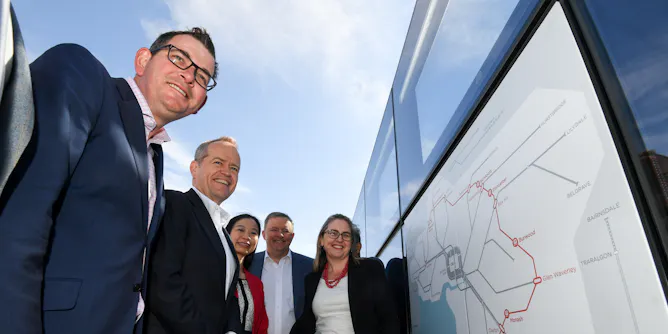
In the election bidding wars, parties commit billions to transport projects, often before all the work needed to justify these has been done. More cost-effective alternatives hardly get a look-in.
Articles on Road transport
Displaying 41 - 59 of 59 articles
UK government minister Liz Truss says upping the motorway speed limit will increase productivity. Let’s look at the facts.
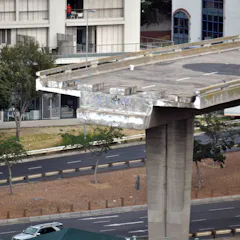
Various attempts have been made to complete Cape Town’s Foreshore Freeway scheme. A new approach is needed.

The NSW government will spend more than $23 billion on toll road, and recoup just $4 billion by selling it.

It can feel much faster to get the bus – but that could all be a matter of perspective.
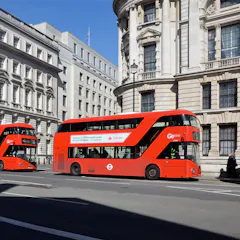
Top tips from transport academics: target the second, consider the first and ignore the third.
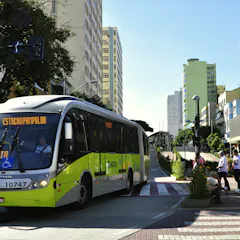
Trains and trams get most attention, but ‘tweaking’ bus transit can transform cities. Buses can be more cost-effective and deliver better service, especially for small to mid-sized cities.
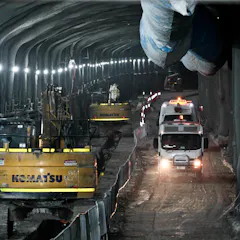
Analysis of the business cases for three of the biggest projects deemed “high priority” by Infrastructure Australia raises questions about the process.
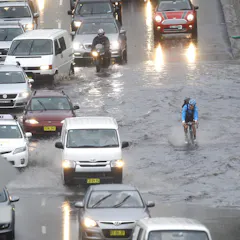
The relationship between weather and our travel choices is complicated. We can’t change the weather, but, with many other factors in play, good policy and design can reduce its impacts.
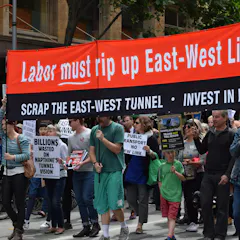
Transport infrastructure has such an impact on what kind of city we become that more democratic planning is long overdue. But public consultation is typically limited and focused on design issues.
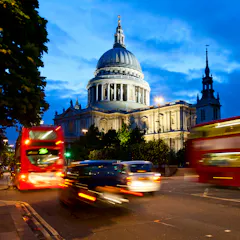
The congestion charge has helped to ease traffic and raise funds. But the rise of Uber and other private hire vehicles have raised unforeseen challenges.
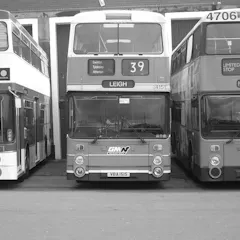
Buses are set to be replaced by private and autonomous vehicles – but it’s not clear how society is going to deal with it.
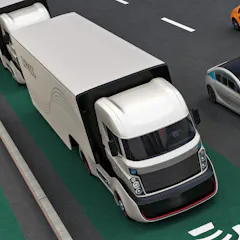
Elon Musk’s new Semi has platooning capability - where multiple trucks commute in a line with a single driver in the lead vehicle. But could it work in Australia?
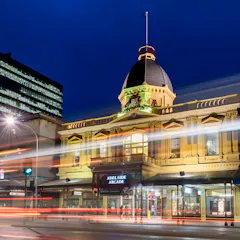
Smart city thinking makes good use of rapidly developing technology to help make cities work better, easier-to-navigate, safer, healthier and more enjoyable places to live.
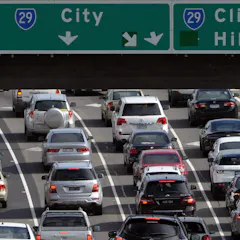
For Melbourne drivers who comfort themselves with the thought that traffic congestion is worse in Sydney, sorry but new analysis shows overall delays are similar, but some commutes are especially bad.
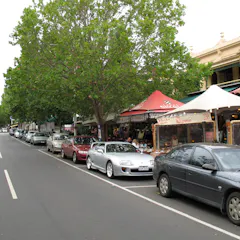
A new study shows that restaurateurs would be better off advocating for better public transport access to their precincts rather than for more parking.
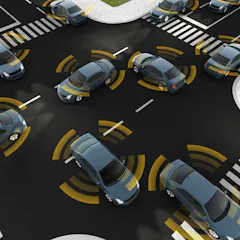
We should all learn from mistakes. Driverless cars must do the same when it comes to any accidents they’ve been involved in on our roads, no matter who was to blame.
Politicised transport projects that flout proper process lead to hostility between residents and governments, and give planners a bad name.
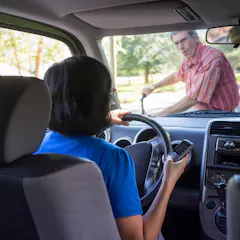
Because Australian roads were built and designed with motorists in mind, it is easy for Australian motorists to feel cyclists are using ‘their’ roads and disrespecting the natural order.
Top contributors
-

Associate Professor of Urban Planning, The University of Melbourne
-
Adjunct Professor of Transport, University of Technology Sydney
-
Transport and Cities Program Director, Grattan Institute
-
Professor of Transport Technology and Sustainability, Swinburne University of Technology
-
Professor of Operations Management, Manchester Metropolitan University
-
Visiting Research Fellow, Intelligent Mobility, Manchester Metropolitan University
-
Professor in Supply Chain and Freight Innovation, Swinburne University of Technology
-
Professor, School of Economics, The University of Queensland
-
Associate Professor and Principal Fellow in Urban Risk and Resilience, The University of Melbourne
-
Honorary Principal Fellow, University of Wollongong
-
Previously Honorary Research Associate, University of Cape Town
-
Professor of Urban Policy and Director, Urban Futures Enabling Impact Platform, RMIT University
-
Senior Lecturer in Urbanism, University of Sydney
-
PhD in machine ethics, University of Canterbury
-
Professor, Director of the Centre for Robotics, Queensland University of Technology