
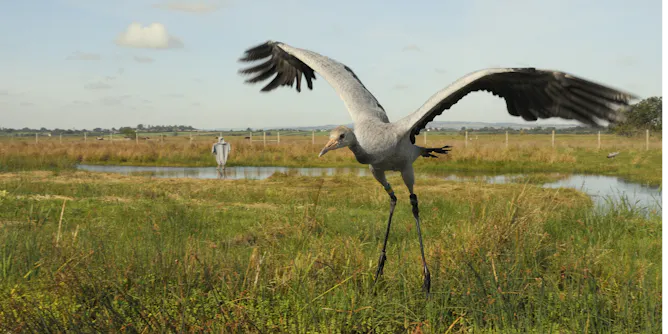
These wetland birds were eradicated in the 17th century, but breeding pairs returned in 1979.
Articles on Rewilding
Displaying 41 - 60 of 97 articles

Mahmudia became a wasteland under dictator Nicolae Ceaușescu’s communist agricultural policy. But villagers fought to resurrect their home and reconnect with the wilderness.
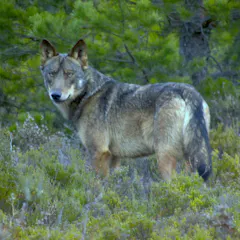
A farming community in north-west Spain may hold the answer to coexistence with wild carnivores.
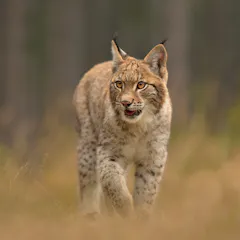
A new study suggests lynxes were in Britain as recently as the 18th century.

Wild beaver populations have the potential to significantly alter our landscapes, affecting biodiversity, water quality and pollution.
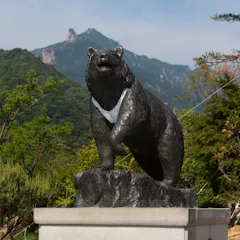
Even in small, densely populated countries, reintroducing large wildlife is possible.

“Will it become a wood again, how long will it take, which species will be in it?”
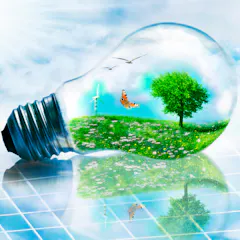
Solve the climate and extinction crises together, or solve neither.
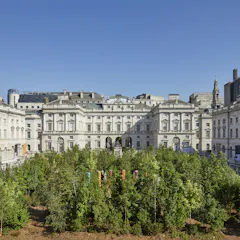
All symmetrical lines and strict proportions, Enlightenment architecture believed that nature got in the way of reason.
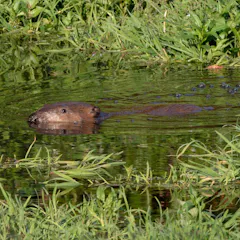
By studying where rewilding has worked well around the world, we’ve worked out the dos and don'ts.
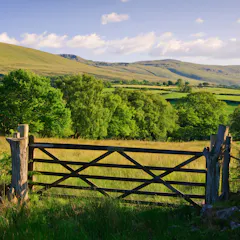
A new survey serves up a tall order for UK agricultural policy outside the EU.
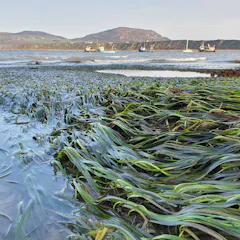
Seagrass meadows are a powerful ally in the effort to slow climate change and reverse wildlife losses.
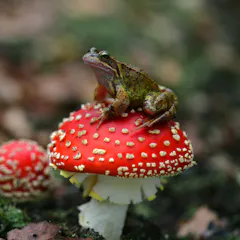
Britain’s native amphibians are in steep decline thanks to wetlands disappearing and ponds drying up.
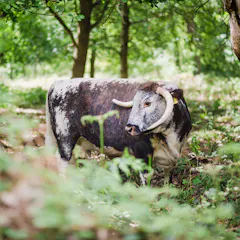
Alternative farming models, like wood pasture grazing, would allow the UK government to maintain food production while regenerating ecosystems.
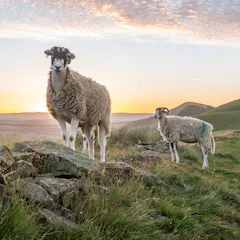
New research finds forest regeneration on sheep pasture is an economically viable way to fight climate change.
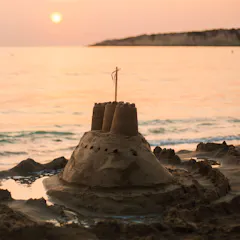
Sea levels could be two metres higher by 2100. How will our relationship to the drowned coast change?
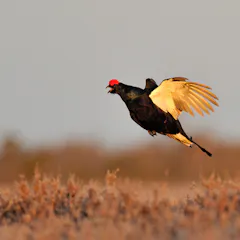
A decade of no grazing has demonstrated positive effects on the richness of bird species.
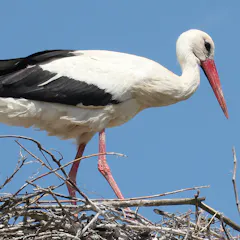
Storks – those harbingers of new life – are breeding in Britain again.
The Baltic crusades had a long term impact on the local environment – 700 years later, the details of this are clear.
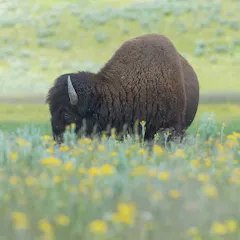
The historical record is full of surprises – and it could encourage conservationists to think more creatively.
Top contributors
-

Professor of Earth System Science, UCL
-
Postdoctoral Research Associate, Leverhulme Centre for Anthropocene Biodiversity, University of York
-
Associate Professor, Ecology, Northumbria University, Newcastle
-
Associate Professor, Global Ecology, University of Sydney
-
Postdoctoral Research Fellow in Conservation and Wildlife Management, University of Sydney
-
Senior Lecturer in Biology, University of Sussex
-
Professor of Global Change Science at University of Leeds, UCL
-
Environmental Social Scientist, Newcastle University
-
Course Director, MSc Biodiversity, Conservation and Management, University of Oxford
-
Postdoctoral Researcher, Nature Finance, University of Oxford
-
Lecturer in Sustainability, University of Manchester
-
Founder of PAN Works and Research Scientist at the Marsh Institute, Clark University
-
Associate Professor in Marine Biology, Swansea University
-
PhD Candidate in Conservation Psychology, Royal Holloway, University of London
-
Environmental Social Scientist, Queen's University Belfast