
The terrain ahead is full of challenges. But, glimmers of a better world are already here.
Articles on Rewilding
Displaying 21 - 40 of 97 articles

As the world’s population grows, contact between humans and wildlife will increase in more than half of Earth’s land areas. A new study shows where the largest changes will occur.
Rewilding is helping to save species from the brink of extinction. But reintroducing species to islands or fenced havens have limitations. What if we could use flat topped mesas as well?
To investigate what’s really behind the controversy that surrounds large carnivore reintroductions, one political ecologist spoke to people on the frontline of this debate.
Top conservation scientists demand a legally-binding requirement to reverse biodiversity loss at home and overseas.

Rewilding is about finding ways to let nature thrive and regenerate. Around the world, cities and community projects are doing just that.
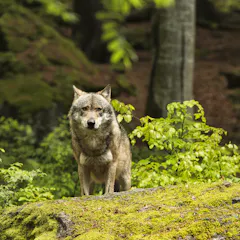
More Europeans are having to learn how to live alongside predators again. Listen to The Conversation Weekly podcast.
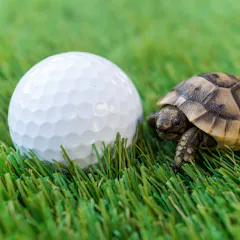
A herd of javelinas wrecked a pristine golf course. Is this rewilding in action?
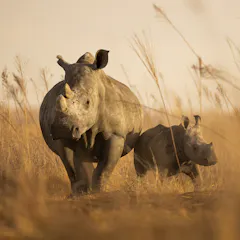
What would you do with 2,000 farmed rhinos? An African charity wants them to help their wild cousins.
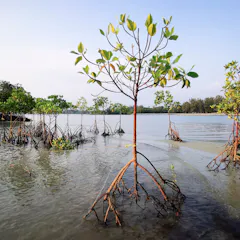
Nature positive is the new rallying cry to reverse environmental decline. But it could easily become greenwash – if we’re not careful.
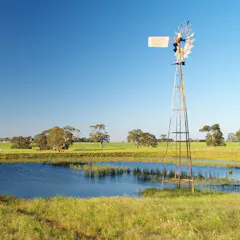
Australia has almost 1.8 million farm dams – and some are home to threatened frog species
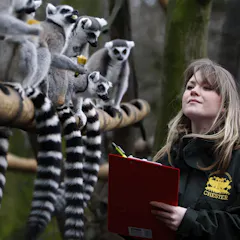
Zoos have the potential to do more for growing conservation science and practice.
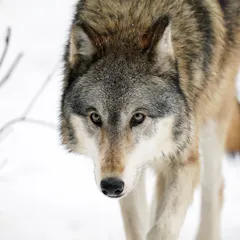
Reintroducing wolves can restore important ecological processes, but it can have unintended effects when smaller predators like coyotes are driven closer to people, a team of ecologists found.

Rewilding is risky but we can learn from past attempts to use it as an effective tool for conservation
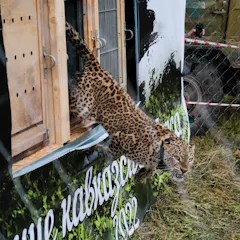
New research studies the factors that determine whether large carnivore reintroductions will be a success.

Atlantic rainforests once lined the island’s west coast – and could one day return.
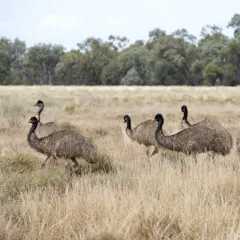
Tasmania’s emus were hunted to extinction in the mid-1800s but we could have them back – and their return could help other species survive climate change.
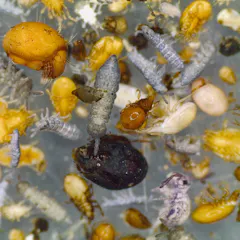
New research shows rewilding with invertebrates – insects, worms, spiders and the like – can go a long way in bringing our degraded landscapes back to life.
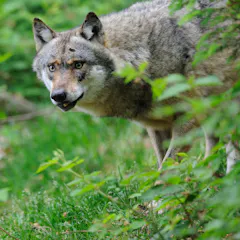
Wolves killing livestock are seizing an opportunity for a meal in a landscape with little natural prey.
Ecosystems thrive in places where human connections with nature go back generations.
Top contributors
-

Professor of Earth System Science, UCL
-
Postdoctoral Research Associate, Leverhulme Centre for Anthropocene Biodiversity, University of York
-
Associate Professor, Ecology, Northumbria University, Newcastle
-
Associate Professor, Global Ecology, University of Sydney
-
Postdoctoral Research Fellow in Conservation and Wildlife Management, University of Sydney
-
Senior Lecturer in Biology, University of Sussex
-
Professor of Global Change Science at University of Leeds, UCL
-
Environmental Social Scientist, Newcastle University
-
Course Director, MSc Biodiversity, Conservation and Management, University of Oxford
-
Postdoctoral Researcher, Nature Finance, University of Oxford
-
Lecturer in Sustainability, University of Manchester
-
Founder of PAN Works and Research Scientist at the Marsh Institute, Clark University
-
Associate Professor in Marine Biology, Swansea University
-
PhD Candidate in Conservation Psychology, Royal Holloway, University of London
-
Environmental Social Scientist, Queen's University Belfast