
Scientific misconduct can waste public funds and harm human health. But views differ about the best way to tackle it.
Articles on Retractions
Displaying all articles
The tool helped stop 45 flawed studies informing clinical guidelines for polycystic ovary syndrome.

‘Open science’ is a radical shift from traditional research practices. But it can help research integrity in several ways.
‘Fast science’ can damage research integrity – just as fast food can damage your health. ‘Slow science’ offers an alternative path forward.
The peer review process is central to science – but it can be easily manipulated. Improving it is vital to uphold research integrity.

In 2023, more than 10,000 research papers were retracted because of scientific misconduct. But it’s not always deliberate.

Today we removed an article titled “Should we ditch big exam halls? Our research shows how high ceilings are associated with a lower score”, because the original research has been retracted.

Politics and the lack of compensation are among the factors that can undermine the peer review process, which is important to the quality of knowledge in academic journals.
Theranos was dissolved years ago, and its CEO, Elizabeth Holmes, is in prison, but the company’s patents based on bad science live on – a stark example of the persistence of faulty information.

An intellectually humble person may have strong commitments to various beliefs − but balanced with an openness to the likelihood that others, too, may have valuable insights, ideas and evidence.
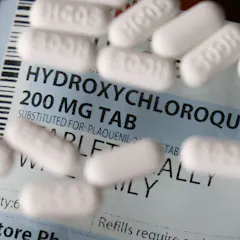
Severe scrutiny of two major papers, including one about the effectiveness of hydroxychloroquine, is part of science’s normal process of self-correction.

Genome sequencing technologies have transformed biological research in many ways, but have had a much smaller effect on the treatment of common diseases.
A database of retractions shows hundreds of academic articles with Australian authors have been withdrawn. Research misconduct threatens to corrode trust in academic qualifications and publications.
There are a few red flags to look out for when reading about new scientific discoveries that can help you spot dodgy or unreliable work.

Researchers who feel pressured to publish in high ranking journals are more likely to cut corners, or even commit academic fraud.

It’s a problem when much of what winds up in scientific journals isn’t replicable, for various reasons. The research community is taking baby steps toward addressing the “reproducibility crisis.”

After we were stung, we realised just how much of a threat misconduct and cherry picked data is to health.
Top contributors
-

Associate professor, Australian National University
-
Professor of Obstetrics and Gynaecology, Monash University
-
Professor of Epidemiology and Public Health, London School of Hygiene & Tropical Medicine
-
Associate Professor in Astronomy, Monash University
-
Adjunct Professor, Department of Leadership, Higher and Adult Education, OISE, University of Toronto
-
Professor of Molecular Oncology, University of Sydney
-
Emeritus Professor, UNSW
-
Pro Vice-Chancellor Research, UNSW
-
Professor Emeritus of Biochemistry, University at Buffalo
-
Director of the Harte Center for Teaching and Learning, Washington and Lee University
-
Professor of Philosophy, University of South Carolina
-
Associate Professor of Law, Fordham University
-
Professor of Biological Sciences; Director of the Cellular and Behavioral Neurobiology Graduate Program, University of Oklahoma
-
Associate Professor, School of Biomedical Engineering, University of Technology Sydney
-
Adjunct Associate Professor, Office of the PVC (Academic Innovation), Southern Cross University