
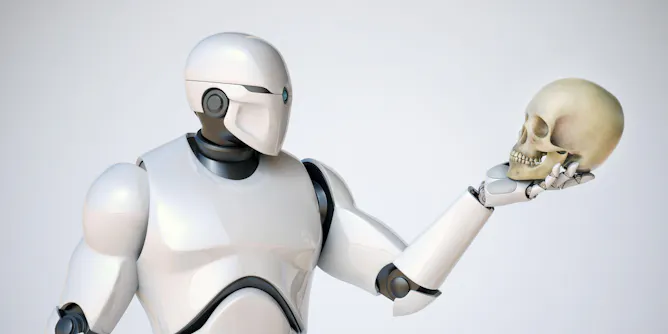
Science fiction is full of computer programmes and androids who fall afoul of the plots of some of Shakespeare’s most brutal tragedies.
Articles on Science fraud
Displaying all articles

A century-old case of scientific fraud illustrates how hard it is to untangle the truth when access to new discoveries is limited.

A leading website that monitored predatory open access journals has closed. This will make it harder to keep tabs on this corrosive force within science.
There are a few red flags to look out for when reading about new scientific discoveries that can help you spot dodgy or unreliable work.

Is the risk of a criminal conviction enough to deter scientists from publishing bogus research findings?
If we want the best possible research, it’s not just the journal articles that ought to be openly available to all, but the data behind them as well.

Researchers who feel pressured to publish in high ranking journals are more likely to cut corners, or even commit academic fraud.

Some activists use open records requests to bully researchers – distracting them from their actual work and silencing others who don’t want to draw attention.
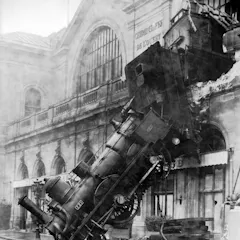
Another retracted paper in the social sciences underscores the need for greater vigilance and reflection upon the causes of scientific fraud.
Top contributors
-

Associate Professor in Astronomy, Monash University
-
Professor of History, UMass Amherst
-
Special Assistant for Communications, University of Florida
-
Dean, School of Law, Deakin University
-
Senior Vice President for Agriculture and Natural Resources and Professor of Wildlife Ecology and Conservation, University of Florida
-
Laureate Professor of Mathematics, University of Newcastle
-
Editor in Chief, Medical Journal of Australia, Queensland University of Technology
-
Professor, School of Psychology, University of Sydney
-
Professor of English Literature, Anglia Ruskin University