

The Energy Department has a dual mission with a heavy science focus and manages large, expensive programs, many of which are behind schedule and over budget.
Articles on Research and development (R&D)
Displaying 21 - 40 of 139 articles

Scientific R&D drives economic competitiveness, military technology and national security. Governments are trying to balance research security with protecting the openness that makes science work.

To work toward the development of innovation in their regions, French universities must undergo a profound transformation. They need to develop differentiated strategies and cannot succeed on their own.

More funding and more diversity in STEM are crucial for turning the ambitious goals of the national science statement into a reality.

If we’re going to prime a future-ready Australia, we need more research and development funding, and a diverse, highly skilled workforce. Are this year’s commitments in the right places?

Canadians pay very high drug costs, but Canada also does not receive the same economic benefits from pharmaceutical industry investments as other countries do.

The $128 million funding boost for the tertiary sector is only a stop-gap measure. But it can buy time for a genuine rethink of the entire system.

The crisis in New Zealand universities is directly traceable to years of sustained underfunding and means they now lack vital research and development capacity.

Kenya’s budgetary allocation misses opportunities to improve basic education and address unemployment.

Commitments have been made to cybersecurity, defence and certain gaps in STEM education and workforce – but much remains to be seen this year once we review the national priorities.

The Medicines Patent Pool was created to promote public health, facilitating generic licensing for patented drugs that treat diseases predominantly affecting low- and middle-income countries.

Drug discovery research in Africa receives modest but essential international funding through philanthropic foundations and selected pharmaceutical companies.

Science is about more than crisis management – it’s about how we understand our present and future, and realise our potential as people
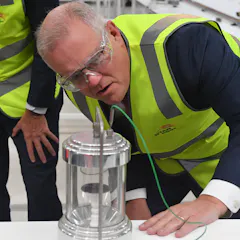
The male-dominated makeup of the industry partners who are meant to lead the commercialisation of research could undermine the work towards gender equity in Australian universities.

Australia has world-class research but low rates of research commercialisation by global standards. The scale and cultural focus of the government’s plan mean it could have an impact on this problem.

To attain a new health order, African governments need to bolster investment in research and development, innovation and manufacturing of health tools.

After years of government rhetoric about boosting the commercial benefits from university research, Australia’s record is still among the worst in the developed world.

An analysis by CSIRO’s strategic and economic advisory arm suggests spending on research and development can earn annual yields of 10%, even if there are delays or cost overruns.
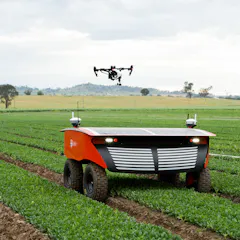
Universities have long been developing research, talent and technology that, with the right mix of industry and government support, will allow Australia to emerge as a green export and R&D leader.

Many in the EU are wary of the motivations of Chinese companies investing in Europe. New research shows the many reasons behind these investments.
Top contributors
-

Emeritus Professor of Innovation, University of Technology Sydney
-
Professor of Public Affairs, The Ohio State University
-
Professorial fellow, Flinders University; Australian National University
-
Director of the MacDiarmid Institute for Advanced Materials and Nanotechnology, University of Auckland, Waipapa Taumata Rau
-
Director, Melbourne Institute of Applied Economic and Social Research, The University of Melbourne
-
Professor of Public Policy, ADFA Canberra, UNSW
-
Previous Vice President of the Academy of Science of South Africa and DSI-NRF SARChI chair in Fungal Genomics, Professor in Genetics, University of Pretoria, University of Pretoria
-
Professor of Research Policy, Department of Science, Technology, Engineering and Public Policy, UCL
-
Director of Research, US Studies Centre, University of Sydney
-
Innovator in Residence, University of Oxford and Emeritus Professor, School of Business, The University of Queensland
-
Honorary Professor, TU Wien
-
Senior Research Scientist, African Population and Health Research Center
-
Director of programmes, African Academy of Sciences
-
Associate Professor, Bond Business School, Bond University
-
Assoc Prof. Renewable Energy, Monash University