
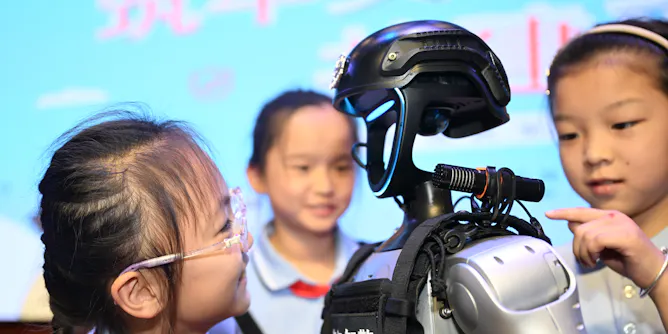
A recent study into China’s innovation boom found patenting activity has been accelerating for years and is built on a whole ecosystem, not a few lone heroes.
Articles on Patents
Displaying 1 - 20 of 126 articles
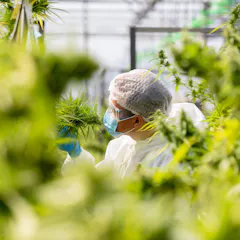
Legal recreational cannabis use comes with an increase in innovation – but tends to focus on what marketers and businesses are interested in, rather than health benefits and risks.

Alexander Graham Bell was not the only person trying to invent the telephone. But 150 years ago, he won the race – just – and the rest is history.

The effect of women board members on patent activity hinges on whether the company is meeting performance targets.
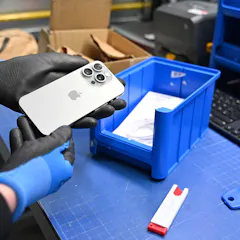
Seeing more refurbished electronic devices on the market? Thank tech innovation – and the government regulation that sparked it.
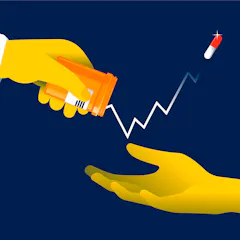
By extending their monopoly on a drug, companies prevent generics and other competitors from driving down prices. But increasing transparency can help prevent Big Pharma from gaming the patent system.
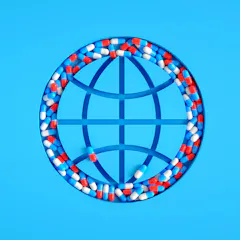
Pharmaceutical companies have little incentive to sell drugs to countries that can’t afford them. But bargaining together can increase access to vital treatments worldwide.
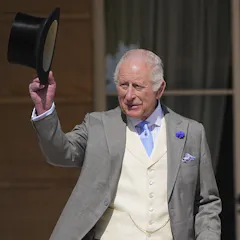
At the recent Buckingham Palace Education and Skills Garden Party, the Royal Gardens and lake set the stage to reflect on embedding sustainability into innovation.
The problem is that costs – especially the costs to faculty – often go ignored.

The major parties say they won’t use the PBS as a bargaining chip in US tariff negotiations. They also need to resist pressure to slow down access to generic drugs.

US patent law says inventors must be human, but they can use AI. This changes the nature of invention and raises the question: Is this what the founders had in mind when they set up the patent system?
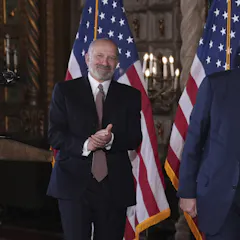
The commerce secretary manages a sprawling organization including trade, fisheries, weather forecasting and cutting-edge AI research.

China’s engagement with Africa has evolved over the past 24 years, with a shift towards mutually beneficial investments.
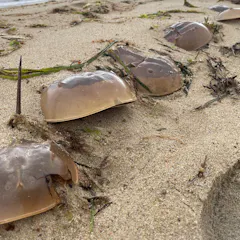
Analysis of thousands of patent applications sheds new light on hidden wild harvests.
For the past half century, successive US governments have championed free trade. But do they practice what they preach?

The newly signed global Treaty on Intellectual Property, Genetic Resources and Traditional Knowledge might improve the patent system, but is unlikely to improve protection of Indigenous knowledge itself.

Most people don’t know what these labels really mean − and advertisers take advantage of that fact.
Theranos was dissolved years ago, and its CEO, Elizabeth Holmes, is in prison, but the company’s patents based on bad science live on – a stark example of the persistence of faulty information.

From diseases to climate change, we need new solutions more than ever – yet patents may be slowing us down. For example, there is growing evidence new drug development speeds up once patents expire.

The shortages, which have been going on for years, have typically affected only low-cost generics rather than profitable brand-name drugs.
Top contributors
-

Professor of Intellectual Property Law, City St George's, University of London
-
Associate Professor, School of Law, University of Canberra
-
Professor of Public Health, La Trobe University
-
Assistant Professor of Resource Economics, UMass Amherst
-
Professor of Law, University of Denver
-
Associate Professor of Public Policy and Women's Studies, University of Michigan
-
DST-NRF SARChI Chair in Innovation Studies, Tshwane University of Technology
-
Lecturer, Faculty of Law, Monash University
-
Tshwane University of Technology
-
Professor of Economics, Loughborough University
-
Associate Professor of Law, Fordham University
-
Professor and Distinguished Research Chair, Globalization and Health Equity, L’Université d’Ottawa/University of Ottawa
-
John M. Thompson Chair in Information Technology and Innovation and Professor, Western University
-
Senior Lecturer in Law, City St George's, University of London
-
Director, Melbourne Institute of Applied Economic and Social Research, The University of Melbourne