

The average Australian feral cat kills 225 reptiles a year, which adds up to 596 million in total, according to a new estimate. Pet cats, meanwhile, kill a further 53 million.
Articles on Reptiles
Displaying 81 - 100 of 124 articles
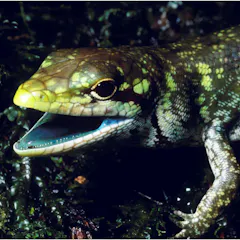
New research shows green-blooded skinks have evolved multiple times, which could help lead to explanation as to why.
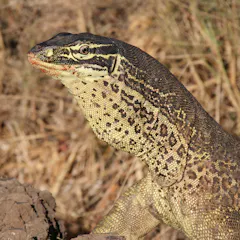
Rat baits are widely used to keep rodent pests at bay. But many Australian reptiles are resistant to the poison, potentially spreading these deadly compounds up the food chain.
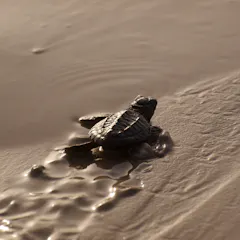
During sea turtle nesting season, scientists collect data and assess how turtles are doing. But they know less about how plastic pollution, fishing and warming oceans are affecting turtle numbers.

Pets give us a lot of joy … and sometimes a few diseases.
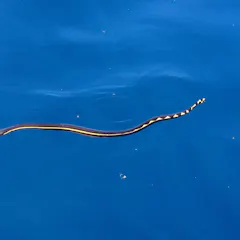
Sea snakes spend their lives in the water, giving birth to live young at sea, so why are they only found in some of the world’s oceans? The answer lies in a combination of climate and geography.
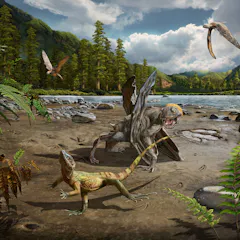
Bipedal movement has existed in modern reptiles for much longer than we previously knew.
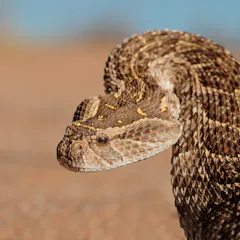
Snakes have survived millions of years by using their bodies in increasingly creative ways.
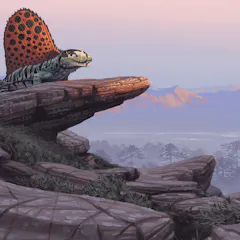
A drying climate caused a mass extinction among plants, but paved the way for the ancestors of modern reptiles, mammals, and birds.

Crisp temperatures, ice-capped ponds and frozen landscapes send animals scurrying for cover. But just what do turtles do when winter takes hold?
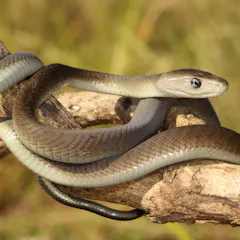
Reptiles add socioeconomic value but when it comes to accessing detailed reference information about them, students and naturalists can face serious challenges.
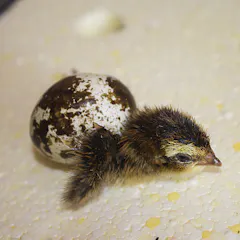
Have you ever heard chicks peeping in the egg? Have you ever wondered how they manage to take their first breath in the shell?
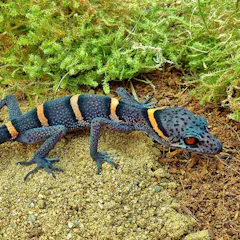
Biologists have a centuries-old tradition of publishing on rare and endangered species. But poachers are using open-access information to target valuable and fragile new species.
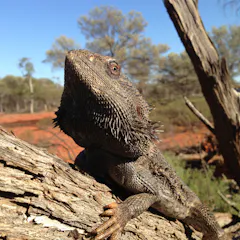
We are only just starting to appreciate the full sexual diversity of animals.

A set of fossils that lay forgotten in a museum are revealing new secrets about Britain’s prehistoric wildlife.
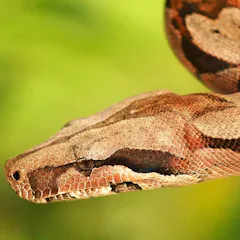
Keeping non-native reptiles as pets is against the law – with good reason. Alien species traded on the black market can potentially establish themselves in the wild if they are released or escape.

Mammals’ ancestors had a third eye and the fossil record of its disappearance tells us the story of the evolution of one of our most important features: warm blood.
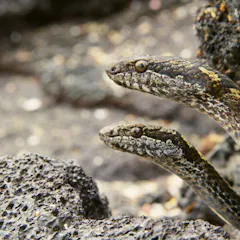
TV audiences cheered on the iguanas’ escape, but won’t somebody think of the poor snakes?
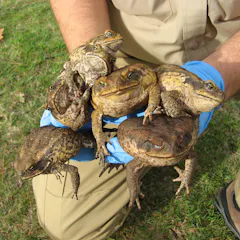
It sounds weird, but releasing small cane toads ahead of the main invasion front can help predators learn to avoid the biggest, most toxic ones. Here’s exactly how it works.

Tiny animals along for the ride, called epibionts, could be used as living data-loggers. Researchers can glean info from them that could help inform turtle-friendly fisheries management decisions.
Top contributors
-

PhD student studying human-saltwater crocodile conflict, Charles Darwin University
-
Professor of Conservation Biology, Charles Darwin University
-
Distinguished Professor of Ecology, Fenner School of Environment and Society, Australian National University
-
Research Officer Herpetology, Museums Victoria Research Institute
-
Associate Professor of Behavioural Ecology, Curtin University
-
Director of the Wildlife Crime Research Hub, Australian Research Council Industry Laureate Fellow, Adelaide University
-
Curator of Herpetology, Associate Professor of Vertebrate Zoology, University of Copenhagen
-
Endeavour Research Fellow, Post-doctoral scholar, UNSW
-
Post-doctoral fellow, Australian Landscape Trust, Calperum Station, James Cook University
-
Professor in Terrestrial Ecology, Deakin University
-
Honorary Research Fellow, University of Sydney
-
Associate Researcher, The University of Queensland
-
John Evans Memorial Fellow, Australian Museum
-
Senior Lecturer, Biodiversity and Conservation Biology, University of the Western Cape
-
Professor Emeritus in Terrestrial Ecology, University of Sydney