
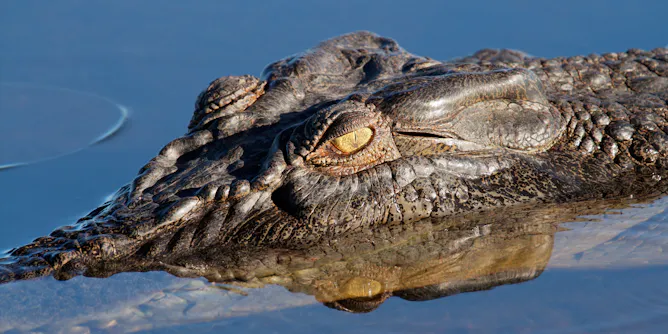
A non-fatal crocodile attack on a tourist last week made headlines. But talk of culling is an over-reaction to a fairly isolated incident.
Articles on Reptiles
Displaying 41 - 60 of 124 articles
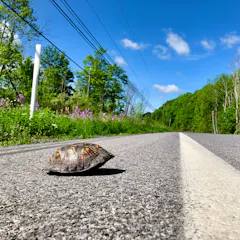
A newborn bison calf in Yellowstone National Park had to be euthanized after a visitor handled it in May 2023 – a recent example of how trying to help wild animals often harms them.
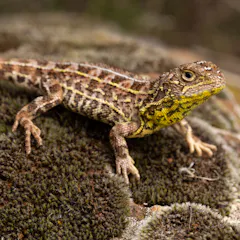
The successful quest to find a species last seen more than 50 years ago has added to the urgency of protecting the vanishing grassland habitat of a lizard that had been feared extinct.
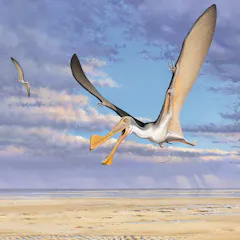
In the dinosaur era, flying reptiles soared in the skies of what is now Australia – but we have barely any fossil records of them.

Despite the filthy waters they often reside in, saltwater crocodiles don’t get sick that often. Perhaps we could one day harness the special proteins that help them.
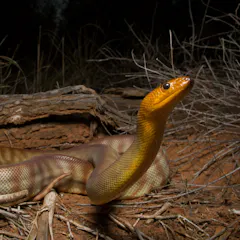
It had long been thought snakes can only feel vibrations through the ground. New research shows they can not only sense airborne sound, but can likely detect human voices.
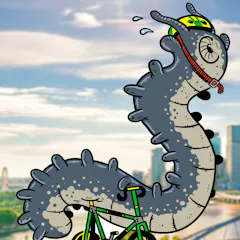
From a ‘worm’ that shoots deadly slime from its head, to a blind marsupial mole that ‘swims’ underground, let’s take a look at three leading candidates (plus 13 special mentions).
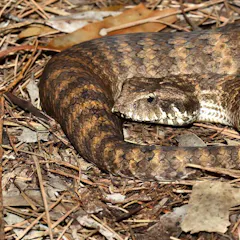
The first description of the snake clitoris may change what we think we know about mating and courtship among the slithering reptiles.
The number of live animals seized by the Australian Government has tripled since 2017, with blue-tongue lizards and sulphur-crested cockatoos frequently captured.
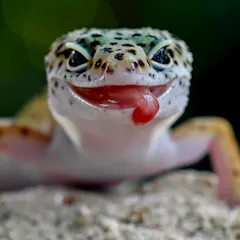
In a warming world, a species’ ability to acclimatise to temperatures is crucial. But young ectotherms can struggle to handle the heat.

New research has found that since the mid-1980s, the economic impact of invasive reptiles and amphibians totals more than US$17 billion.
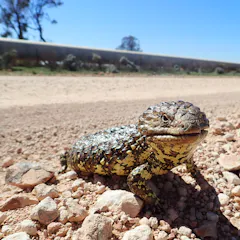
Our research is countering some previous ideas about what factors might slow down ageing. Further study could help us create targeted treatments in humans too.
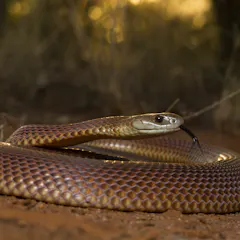
Most people try their best to avoid snakes. This snake photographer couple spends their free time searching for them.
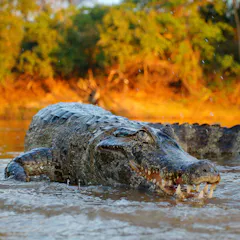
More than half of all crocodile species are a high priority for conservation according to the assessment.
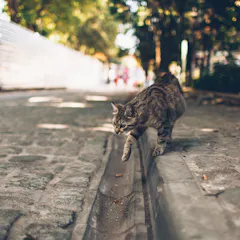
A new study shows that when free-ranging cats are more than a few blocks from forested areas in cities, such as parks, they’re more likely to prey on rats than on native wildlife.
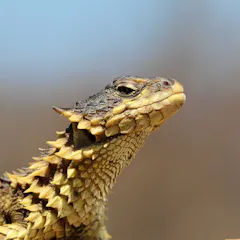
By quantifying an animal’s glucocorticoid levels, scientists can learn crucial information about physiological stress and chances of survival.
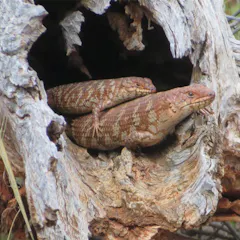
Spiny-tailed skinks, also known as meelyu, are culturally significant to the Badimia people in Western Australia. But habitat degradation and mining have put them at threat of extinction.
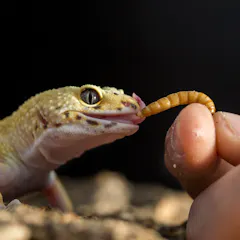
Reptiles get a bad rap, but this is because they’re misunderstood. Promoting healthy reptile pet ownership can contribute to conservation and education efforts.

While we know that most chameleons have such a prehensile tail, it’s not yet clear how it works and what makes it simultaneously so flexible and strong.
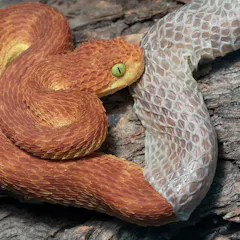
When the snake is ready to shed its skin, it rubs its body along rocks, plants and other rough things to peel the old layer of scales — often in a single, snaky piece.
Top contributors
-

PhD student studying human-saltwater crocodile conflict, Charles Darwin University
-
Professor of Conservation Biology, Charles Darwin University
-
Distinguished Professor of Ecology, Fenner School of Environment and Society, Australian National University
-
Research Officer Herpetology, Museums Victoria Research Institute
-
Associate Professor of Behavioural Ecology, Curtin University
-
Director of the Wildlife Crime Research Hub, Australian Research Council Industry Laureate Fellow, Adelaide University
-
Curator of Herpetology, Associate Professor of Vertebrate Zoology, University of Copenhagen
-
Endeavour Research Fellow, Post-doctoral scholar, UNSW
-
Post-doctoral fellow, Australian Landscape Trust, Calperum Station, James Cook University
-
Professor in Terrestrial Ecology, Deakin University
-
Honorary Research Fellow, University of Sydney
-
Associate Researcher, The University of Queensland
-
John Evans Memorial Fellow, Australian Museum
-
Senior Lecturer, Biodiversity and Conservation Biology, University of the Western Cape
-
Professor Emeritus in Terrestrial Ecology, University of Sydney