
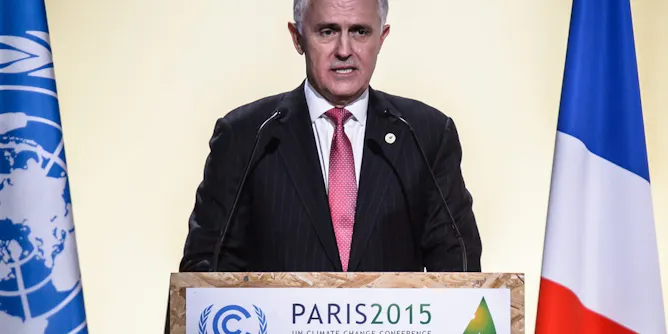
Australia has been mired in climate confusion for years - as reflected by its underwhelming performance at last year’s Paris climate summit. Here’s how to get things back on an even keel.
Articles on Renewable Energy Target
Displaying 41 - 60 of 109 articles
Renewable energy has had a rough time in Australia. Good climate policy could fix that.
Prime Minister Malcolm Turnbull has announced a new “Clean Energy Innovation Fund”. But will it generate much-needed investment in the sector?
Australia’s greenhouse emissions are once again rising, after a decade of consistent declines. But the right policies are already in place to turn things around - they just need to be ramped up.
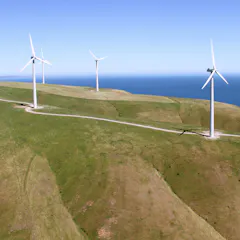
Under the Paris climate agreement, Australia has stated that it will reduce greenhouse gas emissions by 26-28% by 2030 compared to 2005 levels. How will we achieve this?
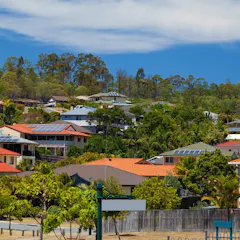
Updated forecasts from CSIRO suggest electricity prices will continue to rise as more renewable energy enters the grid.
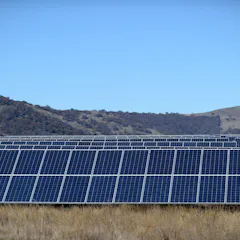
The Greens have backed a renewable energy goal of 90% by 2030. With wind and solar getting cheaper all the time, it’s an achievable challenge.
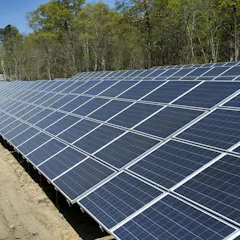
New funding for large-scale solar could be backing a winner, but only with the right leadership.
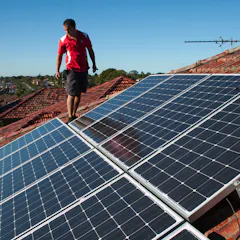
Victoria’s solar will soon get a mere 5 cents for power they send to the grid. But is that a fair price?

Ramping up investment in renewable energy would put Australia on a footing with competitors such as China, Germany and California, which are set to reap the economic benefits of this emerging sector.
Labor’s proposal for 50% renewables demonstrates in spades how poisonous climate change politics has trumped good policy.
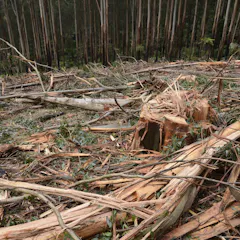
The Renewable Energy Target now includes wood waste from forestry. But a more sustainable use of Australia’s native forests would be to leave them alone and earn carbon credits from the avoided emissions.
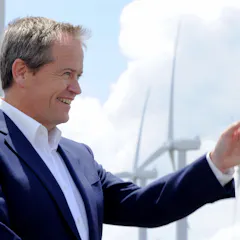
Labor’s plan to deliver 50% renewable energy by 2050 could add between $160 and $264 to annual household power bills. But this could be completely offset by better policies to encourage energy efficiency.
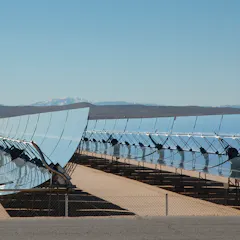
Environment minister Greg Hunt wants the Clean Energy Finance Corporation to focus on new technologies, not wind and solar. But that’s not what it was set up to do, and Australia already has an agency for that.
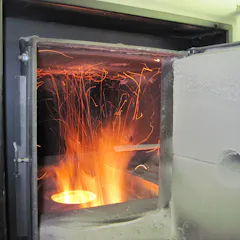
Burning some wood waste from native forests will be counted as renewable energy under revisions to the Renewable Energy Target (RET) passed this week.
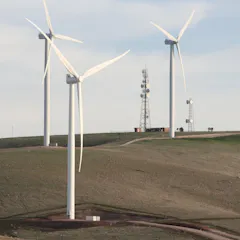
Wind energy is already competitive with fossil fuels, will reduce electricity prices for consumers, and will play a large role in reducing Australia’s greenhouse gas emissions.
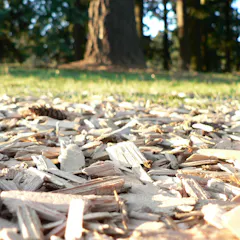
The outcry over the government’s plan to allow wood burning from native forests under the revamped Renewable Energy Target belies the fact that woodchips can be useful and sustainable if harvested responsibly.
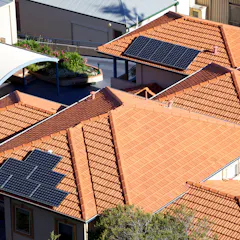
The Grattan Institute has reported that the costs of solar panels have outweighed the benefits by almost A$10 billion in Australia. But the real benefits of cutting greenhouse emissions are much larger.
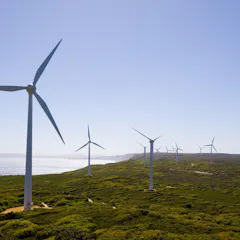
While Australia has reached a deal on the Renewable Energy Target, there’s no long-term certainty for the sector yet.
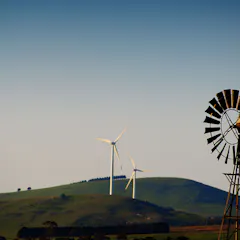
With the federal cuts to the renewable energy target, the states are stepping up to fill the gap.
Top contributors
-

Senior Research Associate, Renewable Energy & Energy Systems Analyst, UNSW
-
Senior Fellow in Energy and Climate Change, Grattan Institute
-
Professorial Fellow, University of Canberra
-
Senior Industry Fellow, Environment and Planning, RMIT University
-
Professor of Engineering, Australian National University
-
Joint director, Collaboration on Energy and Environmental Markets, and Professor, School of Electrical Engineering and Telecommunications, UNSW
-
Honorary Associate Professor, Centre for Climate Economics and Policy, Australian National University
-
University of Southern Queensland
-
Energy Fellow, Grattan Institute
-
Climateworks Centre CEO, Monash University
-
Associate Professor, RMIT University
-
Assoc Prof. Renewable Energy, Monash University
-
Emeritus professor, Australian National University
-
Professor of Law, Deakin University
-
Redmond Barry Distinguished Professor Emeritus, The University of Melbourne