

Getting this right is important. It could secure jobs, lower bills, shore up industries, and help Australia unlock its full potential.
Articles on National Electricity Market
Displaying 1 - 20 of 118 articles
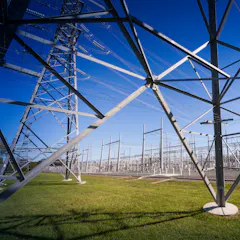
In states with competition between retailers, the energy regulator is promising savings for most customers on the default plan. But it’s small change compared to price hikes. Here’s what to expect.
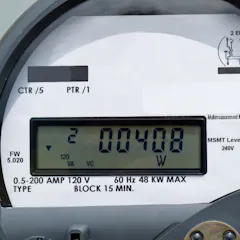
The amount of detailed real-time data a smart grid needs to manage the push for electrification and renewables presents challenges – but there’s an affordable solution.
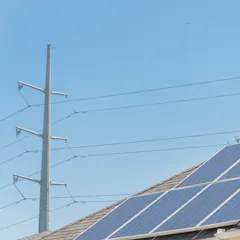
Big changes are needed to create a consumer-centric National Electricity Market that’s able to manage the rise of rooftop solar.
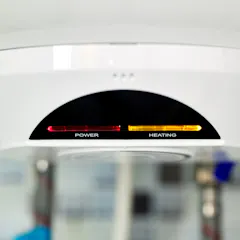
A heater with a 300-litre tank can store as much energy as a home battery at a fraction of the cost. Being able to store surplus solar energy at the right times helps grid stability and cuts emissions.

The need to limit output to the grid costs solar panel owners up to $4.5 million a year in South Australia alone. A bill of rights and responsibilities can make connecting to the grid fairer for all.

Households and businesses are set for more hip-pocket pain after regulators flagged hefty electricity price rises in four Australian states.
How has the national electricity market responded to one of the biggest reforms in years, the introduction of five-minute settlement? Analysis reveals more than a few surprises.
Australia’s governments have agreed to impose caps on the wholesale domestic price of coal and gas. How much it will help is debatable.
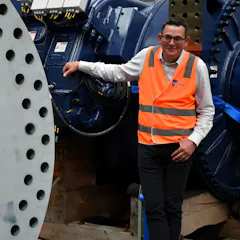
The Andrews government has signalled a major shakeup of Victoria’s energy sector. But are they enough to bring the state’s energy prices down and reduce emissions?
The important change sends a direct signal for more investment in renewable energy, and comes not a moment too soon.
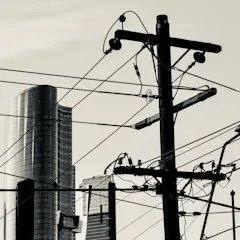
It’s time for a national grid that serves the public and meets the challenges of a warming world. A new government-owned and operated body should take control of Australia’s electricity system.
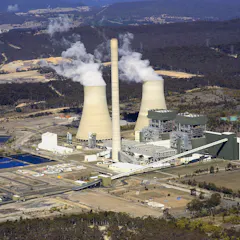
Paying coal-fired power stations to stay open means consumers will be picking up the cost when they ultimately fail.
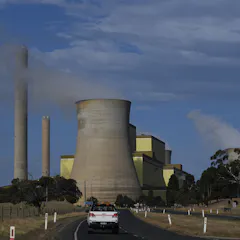
Active government involvement in the electricity sector is necessary for Australia to meet its ambitious climate targets. But we shouldn’t totally abandon the power of market forces.
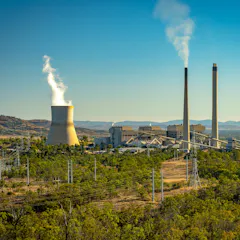
What is the electricity grid and how does it work? How are energy supply and prices determined? An expert breaks down a few of the terms and ideas underpinning Australia’s energy crisis.
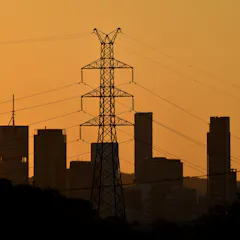
Australia’s energy market operator has suspended the National Electricity Market, due to a perfect storm of coal plants going offline and a spike in fossil fuel prices.
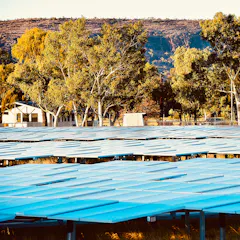
In the first major study of its kind, the authors travelled to where renewable energy is expanding in NSW to ask communities how they feel about the changes.
What’s pushing up coal and gas prices is pushing up electricity prices, but some states have better shields than others.

A new report predicts an incredibly rapid closure of coal-fired power stations. Continuing to deny this is simply not in the interest of coal workers and their communities.
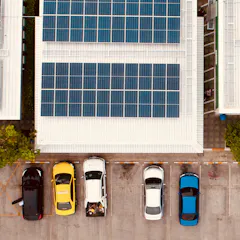
The electric vehicle transition is about more than just scrapping petrol cars. We must also ensure quality technology, anticipate the future and make sure no-one gets left behind.
Top contributors
-

Professor and Director, Victoria Energy Policy Centre, Victoria University
-
Energy Fellow, Grattan Institute
-
Senior Research Associate, Renewable Energy & Energy Systems Analyst, UNSW
-
Senior Fellow in Energy and Climate Change, Grattan Institute
-
Honorary Associate Professor, Centre for Climate Economics and Policy, Australian National University
-
Assoc Prof. Renewable Energy, Monash University
-
Associate Professor of Economics, Griffith University
-
Associate Professor, RMIT University
-
Senior Industry Fellow, Environment and Planning, RMIT University
-
Associate Professor, Griffith University
-
Professor of Law, Deakin University
-
Professor, Crawford School of Public Policy and Director, Centre for Climate and Energy Policy, Australian National University
-
Ariel Liebman Director, Monash Energy Institute and Professor of Sustainable Energy Systems, Faculty of Information Technology, Monash University
-
Research fellow, Centre for Policy Futures, The University of Queensland
-
Professor, Discipline of Political Economy, University of Sydney