
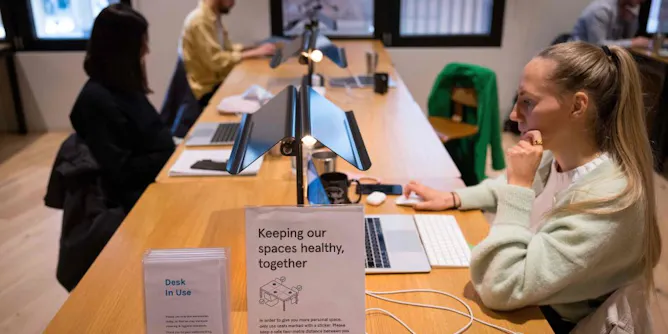
If the best people management practices of the formal economy were to be deployed in the informal economy, new avenues of stimulating economic and life empowerment may be opened.
Articles on Remote working
Displaying 41 - 60 of 70 articles
Plus why your genes determine how you deal with cold temperatures. Listen to episode 8 of The Conversation Weekly.
A year of working from home has become normalised for many jobs. We’re now learning a great deal about its effects on the workforce and our lives.
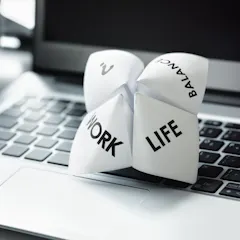
The responsibility should not simply lie with employees who are working even harder.
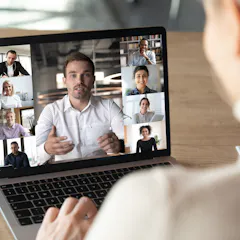
A new economic model of how remote working is developing reveals some interesting results.
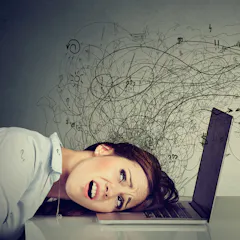
Interference with our brain’s goal-directed functioning is increasing with ever more tools for virtual communication and collaboration.
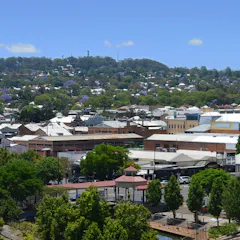
The pandemic has driven Australian workers and their employers to embrace the option of working remotely. And that has opened people’s eyes to the possibilities of living in regional Australia.

Dogs process the sensory world very differently than humans, but love in a way that is entirely familiar.
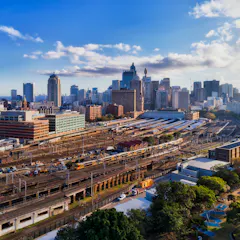
Coronavirus has changed population projections and behaviours across society. With fewer commuters we need to shift transport planning based on a hub-and-spoke network to focus on more local travel.
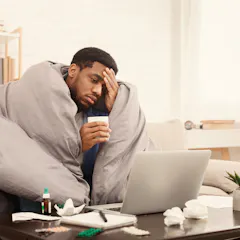
If you can work from home you’re less likely to take a sick day, and that could be a problem.

For as long as there has been remote working, companies have sought ways to replicate the serendipitous conversations we have in a physical work space.
Most people who worked at home during lockdown want to continue doing so in some respect according to one recent survey.

Fewer weekly commutes means many will be willing to commute further. The effects on urban growth of working from home pose serious challenges.
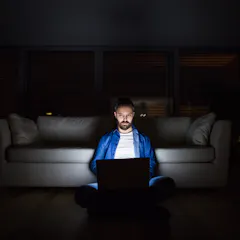
Employers have long feared that working from home makes employees less productive. An analysis of 3 million workers in 16 cities during lockdowns suggests the opposite.
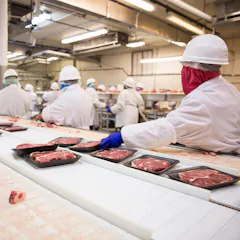
Not everyone has a job they can do from home. Mapping the patterns of occupations across Melbourne’s suburbs against COVID-19 cases strongly suggests why some parts of the city are more vulnerable.
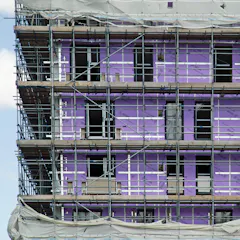
If more people work from home and shop online, many commercial buildings won’t be needed any longer. What will be needed is affordable housing, and these buildings can be converted to meet this need.
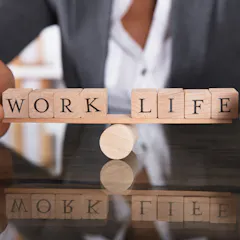
The idea of work-life balance caught on the 1980s. The COVD-19 pandemic shows we need to replace it with a more integrated approach.
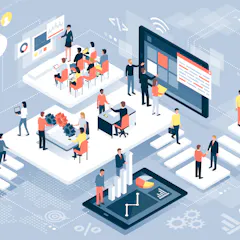
Everyone wants less time commuting, better email etiquette and new places to work from.
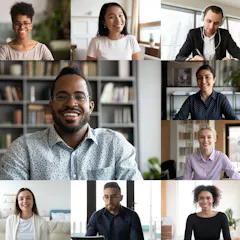
Lots of research shows why video calls are mentally and emotionally taxing.
Our working lives provide us with something more important than a pay cheque.
Top contributors
-

PhD Candidate in Anthropology, UCL
-
Professor of Work and Employment, University of Southampton
-
Professor of the Future of Work, Newcastle University
-
Associate Professor of Human Resource Management, University of Southampton
-
Associate Professor - Innovation & Entrepreneurship, EDHEC Business School
-
Senior Lecturer and Researcher in Innovation and Digital Leadership, University of Brighton
-
Research Fellow, UCL
-
Senior Lecturer, RMIT University
-
Reader in Cyber Security, University of Kent
-
Principal Lecturer, Corporate Education, Faculty of Business and Law. Anglia Ruskin University. Human Resource Management, Anglia Ruskin University
-
Research associate, Department of Computer and Systems Sciences, Stockholm University
-
Assistant Professor at the Centre for Business in Society, Coventry University
-
Lecturer in Human-computer interaction, Northumbria University, Newcastle
-
Professor of Entrepreneurship, University of Stirling
-
Professor of Management, Te Herenga Waka — Victoria University of Wellington