

The proposal by the Scottish government does not reduce teachers’ overall hours but redistributes them.
Articles on Flexible working
Displaying 1 - 20 of 49 articles
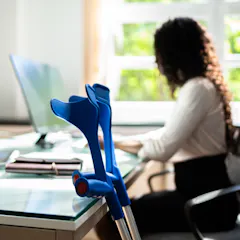
Neither welfare nor work is designed for people who are sometimes well and sometimes sick.

Compressed hours are linked to tiredness and sleep deprivation, which can result in serious health problems and poorer decision-making.

Working from a holiday destination, for those lucky enough to be able to do it, can be a productive break from the daily grind.

If the coffee giant’s CEO can perform the role just as well from home, then the three-hour flight may be little more than a performative gesture.

The new government can’t keep its promises for growth without bringing more women into the economy.

Belonging is about feeling accepted, included, safe and recognised.

A statutory right to request flexible-working arrangements was introduced in 2014 but has been little used. New legislation coming into force could change all that.

Four years after working from home was introduced, employers are using various incentives, some say ultimatums, to get workers back into the office.
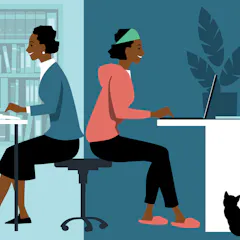
There are so many more ways to work flexibly now.

New research shows that breastfeeding rates peaked in 2020, a time of strict COVID restrictions.
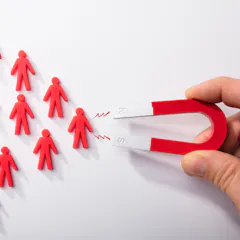
Workplaces are increasingly recognizing that productive employees seek out workplaces that prioritize mental well-being and offer flexible working conditions.

Flexible working can bring people autonomy and joy, but so can feeling part of a team at the office.

A four-day week boosts productivity and employee wellbeing, but it should be carefully planned and tailored to individual company needs.

Before the pandemic, young professionals were the least likely age group to work from home.

About two-thirds of generation Z seem to want a hybrid working pattern in the future.
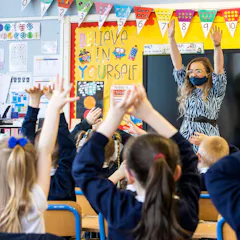
Women are often drawn to teaching because of the supposed life-work balance. Extreme workloads and inflexible school structures means too many quit early.

Plus why your genes determine how you deal with cold temperatures. Listen to episode 8 of The Conversation Weekly.

On International Women’s Day, universities should resolve to lead the way in reshaping workplace rituals, rules and routines to advance gender equality and ensure safe workplaces.
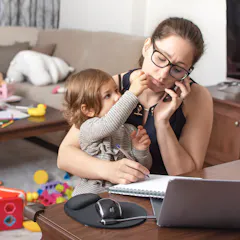
Flexible arrangements might help women maintain a work-life balance, but can also weaken their position in the labour market and lose them earnings in the long term.
Top contributors
-

Director of the King's Global Institute for Women's Leadership, Professor of Work and Employment, King's College London
-
Professor of Work and Employment, University of Southampton
-
Professor of Management, Deakin University
-
Senior Lecturer and Researcher in Innovation and Digital Leadership, University of Brighton
-
PhD Student, Queensland University of Technology
-
Professor Emerita, University of the Western Cape
-
Reader in Organisational Behaviour, University of Liverpool
-
Professor of Labour and Globalisation, University of Hertfordshire
-
Lecturer and researcher in Organizational Psychology, City St George's, University of London
-
Senior Lecturer, Department of Psychosocial and Psychoanalytic Studies, University of Essex
-
Professor of Healthcare Management and Leadership Development, Brunel Business School, Brunel University of London
-
Laurie Carmichael Distinguished Research Fellow at the Centre for Future Work, Melbourne; and Professor Emeritus, Griffith Business School, Griffith University
-
Professor of Sociology, University of Sheffield
-
Distinguished Professor of Management Science, Lancaster University
-
Senior Lecturer Human Resource Management, University of Huddersfield