
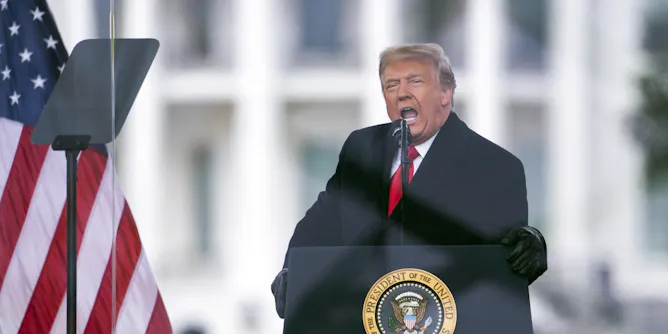
Colorado’s Supreme Court has removed Donald Trump from the state’s 2024 presidential ballot. A scholar of constitutional law explains why.
Articles on Reconstruction
Displaying 21 - 40 of 53 articles

Country singer Jason Aldean’s hit song triggered renewed attention on vigilante justice, racism and urban America.
One of the charges against Donald Trump dates back to the 1870s and was designed to give the federal government the power to ensure states held free and fair elections.
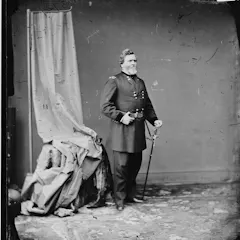
A Southerner, Maj. Gen. George H. Thomas was a racist enslaver before the Civil War. But he fought for the Union because he prioritized his oath to defend the Constitution over state interests.

Throughout US history, a ‘white backlash’ has worked to keep Black officeholders and their constituents out of power. Atlanta DA Fani Willis is just the latest.
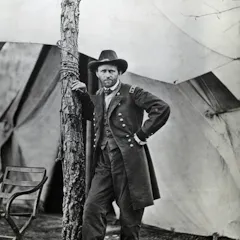
Known as the military leader who saved America, Ulysses S. Grant left a legacy of fighting for the rights of enslaved people during and after the Civil War.
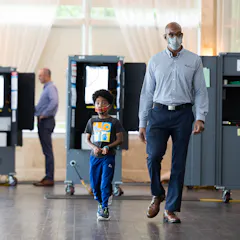
In a state where elections have turned on Black voters, the recent GOP overhaul of Georgia election laws has many voting rights activists and Democrats concerned that turnout may be affected.

A proposed new airport at Tarras would affect the entire South Island economy. Twelve years on from the Canterbury earthquakes, have the implications of such a project been properly thought through?
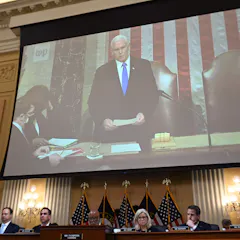
The attempt by Donald Trump’s supporters to reverse the 2020 presidential election results shows the need to update the nation’s landmark law for counting presidential votes.
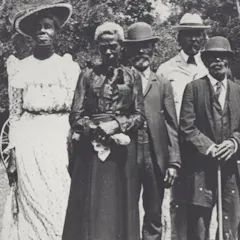
Known as Juneteenth in Texas, Emancipation Days symbolized America’s attempt to free the enslaved across the nation. But those days were unable to prevent new forms of economic slavery.
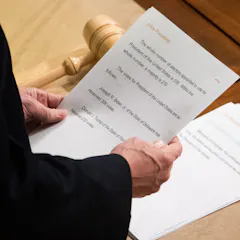
Concerned about problems in counting Electoral College votes that determine the next president, lawmakers are considering changes to the Electoral Count Act. What is the act, and what’s wrong with it?
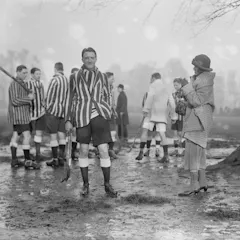
Post-war government support saw ex-servicemen head to university by the tens of thousands. Their distinct perspective – and their numbers – shaped 1920s student life
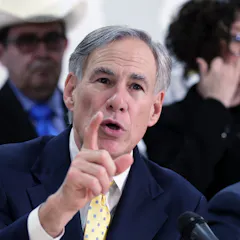
Texas lawmakers resurrected a Jim Crow-era legal maneuver, used to deny Black people the right to vote, in their new law banning most abortions.

Section 3 of the 14th Amendment was first used against Confederate leaders after the Civil War to expel seditionist politicians. Now it could be used against Donald Trump.

A reconstruction of a dinosaur’s back passage reveals it may have been used for visual communication.
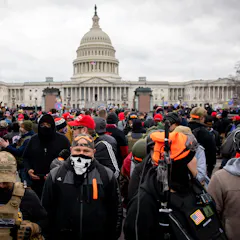
The protests that ended in the storming of the US Capitol included members of white supremacy groups, the latest example of such groups being encouraged by politicians to challenge government.
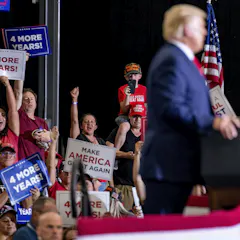
Who are Donald Trump’s hard-core supporters and why do they pose an increasing threat of violence in the coming U.S. elections — and after?

As momentum builds to remove statutes that pay homage to Confederates and others who sought to uphold white supremacy, a historian explores questions about what should be erected in their place.
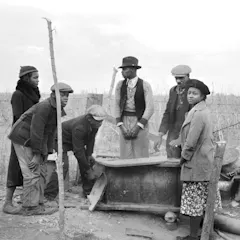
In many national crises, black Americans have been essential workers – but serving in crucial roles has not resulted in economic equality.
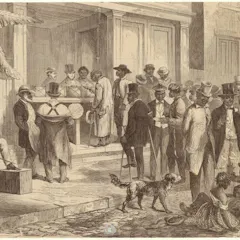
The radical potential of the 14th amendment has been underestimated.
Top contributors
-

Professor of Literature and Director of Irish and Irish American Studies, College of Charleston
-
Professor of Law, University of Notre Dame
-
Associate Professor of History, College of Saint Benedict & Saint John's University
-
PhD Candidate & Researcher, School of Architecture, Université de Montréal
-
University System of Maryland Regents Professor of Law, University of Maryland
-
Professor of History, Toronto Metropolitan University
-
Lecturer in History, James Cook University
-
Foundation Professor of History, Arizona State University
-
Professor of Higher Education and Director, Museum of Education, University of South Carolina
-
Associate Professor, HEC Paris Business School
-
PhD Candidate at Institute for Culture and Society, Western Sydney University
-
Chair in the Economics of Disasters and Climate Change, Te Herenga Waka — Victoria University of Wellington
-
Senior Lecturer in Spatial Planning, Queen's University Belfast
-
Assistant Professor of Secondary Social Studies, West Virginia University
-
Professor of Critical Race and Ethnic Studies, Miami University