
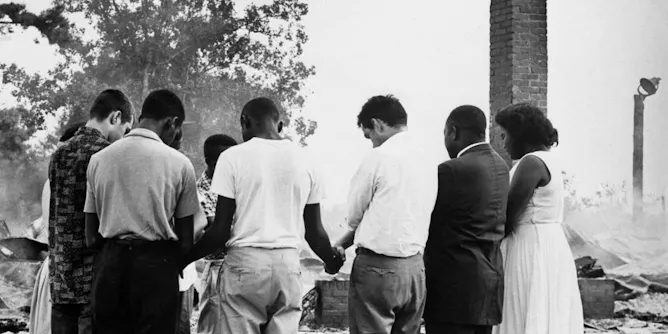
More than 100 Black churches across the South were targeted from the 1950s-70s. Another wave of violence followed in the ‘90s – and there have been attacks in recent years, too.
Articles on Ku Klux Klan
Displaying 1 - 20 of 43 articles
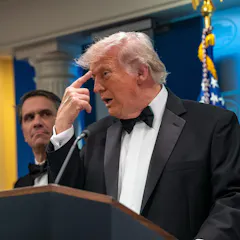
The moral dimension of political polarization in the US, where each side views the other as immoral, helps fuel attacks like the one against Trump at the Washington Hilton.

From the civil rights era of the 1960s until today, white victims of government violence have received disproportionate attention.
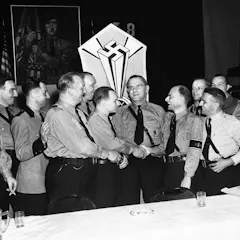
Although thousands of Americans embraced fascist ideas during the interwar years, a new study examines why the US has had little appetite to remember that past.
The early 1920s in the US offers historical lessons on how current pessimism about the state of the country can manifest in dangerous, discriminatory ways.
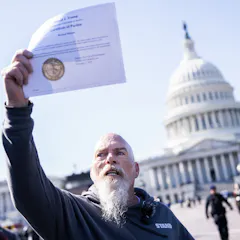
It’s not yet clear whether Trump’s pardons will herald a period of national harmony – as past presidents hoped for – or more incidents of violence, as actually resulted.
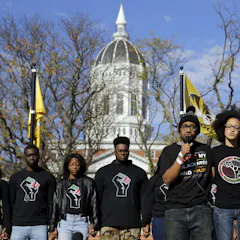
A history course created amid the upheaval of the Black Lives Matter movement invites students to have honest conversations about race. Now in its seventh year, it uses music to build bridges.
The themes in the hit television series echo the social and political issues that the state has grappled with for decades.
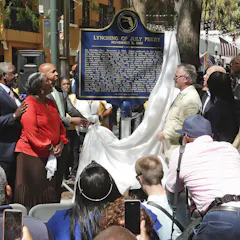
The Voting Rights Act of 1965 outlawed the use of racist literacy tests and poll taxes to ban Black voters. It came too late for Black voters in Ocoee, Florida.
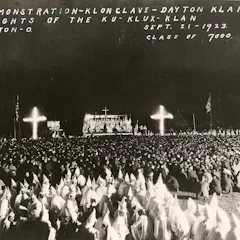
Most of the Klan’s victims were African American, but many other groups have been targeted during the hate group’s century and a half of history.
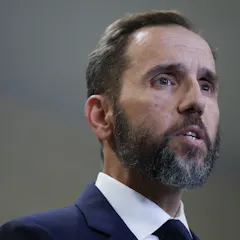
One of the charges against Donald Trump dates back to the 1870s and was designed to give the federal government the power to ensure states held free and fair elections.

An expert in American history explains the white power movement, its impact on veterans and women and how the Vietnam War was the impetus for extremist groups to gain new members.
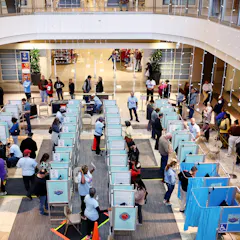
Any behavior reasonably calculated to dissuade a person from participating in an election is intimidation.
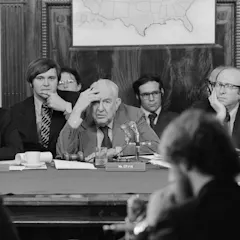
The public hearings of the House Jan. 6 investigative committee will deal with unprecedented events in American history, but the very investigation of these events has strong precedent.
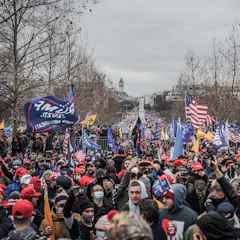
To distill the violent insurrection at the US Capitol into a tale of angry male rage is to overlook the threat that women in the mob posed.
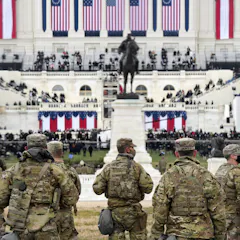
Far-right extremists in the US have the potential to mount a coordinated, low-intensity campaign of political violence. It wouldn’t be the country’s first experience with domestic terror.
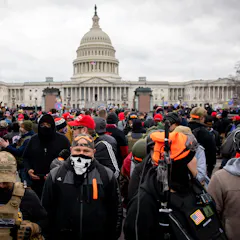
The protests that ended in the storming of the US Capitol included members of white supremacy groups, the latest example of such groups being encouraged by politicians to challenge government.
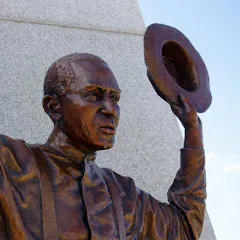
Some downplay seemingly ridiculous white nationalist groups like the Boogaloo Boys at our peril. Looking back at a successful coup engineered by the Ku Klux Klan in Oklahoma shows us why.
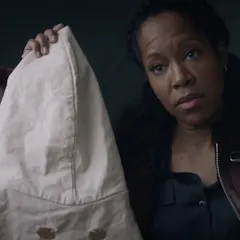
The KKK appeared in Canada in 1921. Nowhere else in Canada did the Klan achieve the influence it attained in Saskatchewan, where it helped bring down a government.
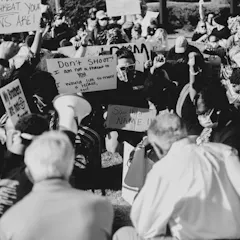
The Lumbee Tribe of North Carolina has a long history of struggle, protest and resistance to white supremacy and its social effects.
Top contributors
-

Professor of Literature and Director of Irish and Irish American Studies, College of Charleston
-
Associate Professor of History, College of Saint Benedict & Saint John's University
-
Associate professor US History, University of Exeter
-
Professor of Geography and Senior Research Associate in the Rock Ethics Institute, Penn State
-
Ruth Coulter Heede Professor of Art History, Case Western Reserve University
-
Professor of Political Science, Texas A&M University
-
Professor of History and African American Studies, Northwestern University
-
Professor of Journalism, Boston University
-
Derek H. Alderman is a Friend of The Conversation.
Chancellor's Professor of Geography, University of Tennessee
-
Professor of History and Michael Douglas Dean of Humanities and Fine Arts, University of California, Santa Barbara
-
Professor in American Studies, Northumbria University, Newcastle
-
Professor of Criminal Justice, Westfield State University
-
Professor of Political Science, University of Georgia
-
Instructor of Philosophy, Arizona State University
-
Professor of Political Science, University of Nottingham