
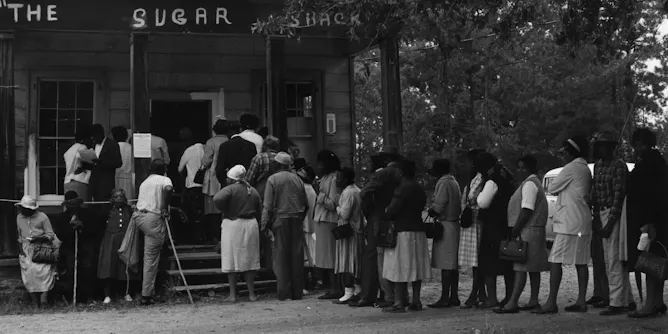
The history of voting and elections in America doesn’t follow a steady path toward progress or retreat. It is marked by intense struggles, monumental victories and devastating losses.
Articles on Jim Crow
Displaying 1 - 20 of 83 articles

The men responsible for the bloodshed 150 years ago were never prosecuted; instead, they rose to South Carolina’s highest offices.
The modern rhetorical and political resistance to racial equality finds its roots in the conspiratorial segregationists of the civil rights era.
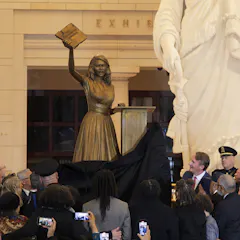
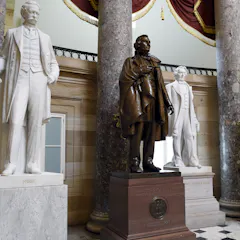
In December 2025, the statue of Barbara Rose Johns replaced that of Robert E. Lee as one of the two Virginians displayed in the U.S. Capitol. Here’s why.
In the early 20th century, Detroit’s Black medical professionals created a network of health care institutions in response to racial discrimination and exclusion.
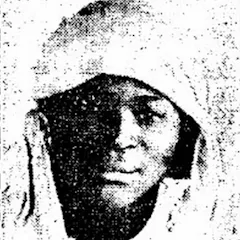
In 1912, a young Black woman’s supposed religious beliefs were quickly blamed to make sense of a terrifying crime spree.
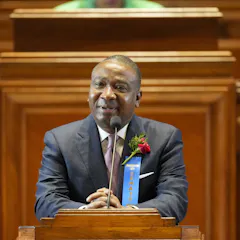
The Supreme Court appears poised to abolish a key part of the Voting Rights Act. It may draw on a constitutional amendment that empowered African Americans.
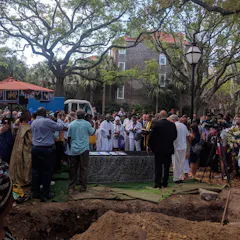
The movement to protect the long-obscured sites allows communities to reckon with painful histories through healing, remembrance and ancestral connection.
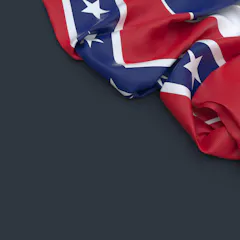
How do white Southerners think about their racial status in a world that is scrutinizing white advantages? Researchers found people across the political spectrum grappling with what being white means.
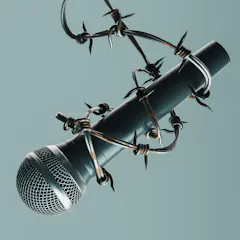
A landmark 1964 Supreme Court ruling protects the press in lawsuits by public officials angry about how they’ve been covered. It’s being targeted by President Donald Trump.
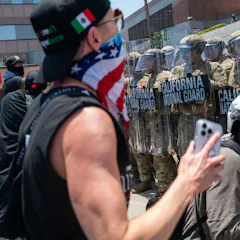
During Jim Crow segregation, political leaders used domestic military power to preserve the interests of racial authoritarians.
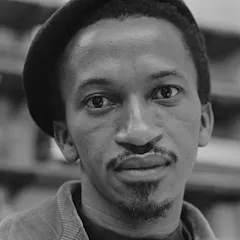
Ernest Cole: Lost and Found by Raoul Peck is a meditative film that draws on Cole’s own notebooks and letters in a bold attempt to have him tell his own story.
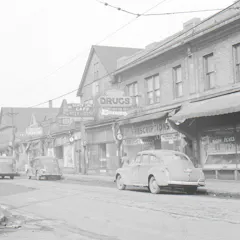
Detroit’s Black population grew sixfold from 1910 to 1920, and many businesses that sprouted to welcome the newcomers flourished.
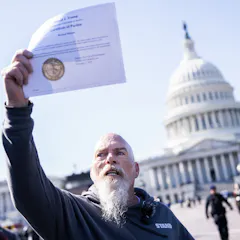
It’s not yet clear whether Trump’s pardons will herald a period of national harmony – as past presidents hoped for – or more incidents of violence, as actually resulted.

Donald Trump’s measures ending government diversity efforts are part of a much broader effort to reverse civil rights gains for all Americans. It’s not the first time such a backlash has happened.
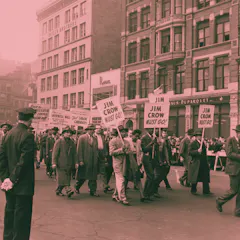
Jim Crow, a term drawn from a racist caricature, describes a long period of segregation and racial violence in the United States. The term was used in Australia too.
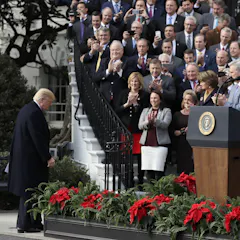
The Tax Cuts and Jobs Act from Trump’s first administration harmed many middle-class and low-income taxpayers. But Black people got it the worst, says an expert on race and taxation.
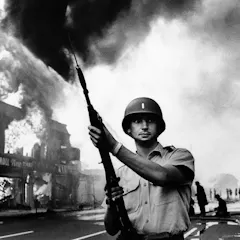
As Detroit civil rights leaders in the 1960s deliberated how to harness white support for the movement, they struck upon an innovation that would strengthen the fight for civil rights across the US.
Researchers measured lawmakers’ wealth and found that those whose Southern ancestors owned slaves before abolition have a higher net worth today.
American writer Ralph Ellison provided a sharp analysis of the subversive power of Black laughter in 1930s America.
Top contributors
-

Professor of Journalism, Indiana University
-
Assistant Professor of Justice Studies and Sociology, Norwich University
-
Professor of Leadership Studies, University of Richmond
-
Professor Emeritus of Law and Adjunct Professor of Political Science, Case Western Reserve University
-
Professor of Literature and Director of Irish and Irish American Studies, College of Charleston
-
Associate Professor of Africana Studies and History, Bowdoin College
-
Professor of Political Science, The University of Texas at Austin
-
Sherman Fairchild Distinguished Professor of History, Dartmouth College
-
Yolanda Moses is a Friend of The Conversation.
Professor of Anthropology, University of California, Riverside
-
Assistant researcher, University of Sydney
-
Paul and Charlene Jones Chair in Law, University of Alabama
-
Managing Director of the McCourtney Institute of Democracy, Associate Research Professor, Political Science, Co-host of Democracy Works Podcast, Penn State
-
Professor of Screen Studies, Manchester Metropolitan University
-
Associate Professor of Counseling Psychology (Clinical Psychology by Training), Howard University
-
Professor and Chair of History, Vassar College