

We created a reading-machine that finds poetry hidden in plain sight in popular books. In doing so, we are exploring Natural Language Processing, Machine Learning and reading in a digitised world.
Articles on Reading
Displaying 321 - 340 of 497 articles
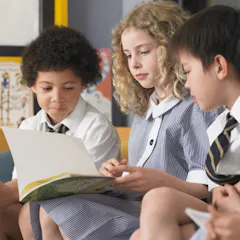
Closing the reading achievement gap continues to be a pressing global challenge.
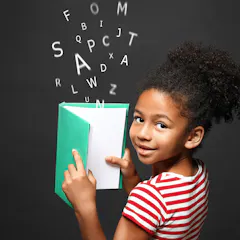
Two literacy scholars share their concerns about growing pressure on educators to emphasize phonics to teach reading. In their view, critiques of other methods often rest on a false premise.

We have transitioned from a literate culture to one that values speed, immediacy and the decoding of small grabs of words in search for information. But old and new ways of reading can co-exist.
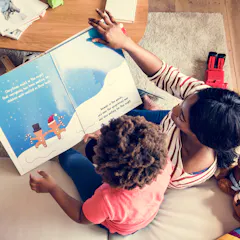
Books improve kids’ vocabulary, challenge gender stereotypes, teach maths and science concepts and help foster the imagination. Here are some suggestions of picture books that do all these things.

The benefits from shared storybook reading do not depend on whether books are bought, borrowed or new or used. Some suggested read-aloud books for children aged about kindergarten to Grade 2.
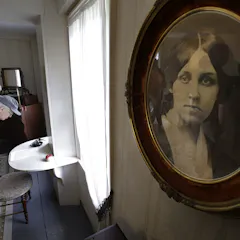
Reading books from people with diverse backgrounds is good for kids.

Australian education is still going backwards from where we started in 2000 – new PISA results show.

Every three years, the OECD releases its Programme for International Student Assessment results. Last time, Australia’s education system was doing much worse than some other countries. Has it changed?
But there is an answer.

Stories like ‘Romeo and Juliet,’ ‘Alice’s Adventures in Wonderland’ and ‘Jane Eyre’ are still relevant today.

A whole language approach to teaching reading gives kids a whole linguistic picture of how words work. This includes teaching individual letters and sounds, as well as what the words mean in context.
Years 5-7 typically include the transition from primary to secondary but the reading slowdown can’t just be blamed on this, because numeracy progress has improved. So what’s going on with reading?
Literacy researchers analyze cross-Canada favourite books for kindergarten to Grade 2 readers, and suggest great “gritty” reads that can help normalize conversations surrounding failure and growth.
There’s a worry some students don’t get enough opportunity to enjoy silent reading in schools. Here’s some advice on how to change that.

Early experiences sharing and developing positive connections, language and communication set the stage for home reading to start children on the path to literacy.

A technique developed for teachers and tutors can work if followed by the child’s loved ones.

Based on the current body of evidence, the use of coloured filters should not be recommended as a dyslexia treatment, nor be provided through publicly funded bodies.

A book nest - or nook - is a cost-friendly way to model and enjoy literacy with your preschooler that invites their creative involvement and offers space for positive connections to grow.
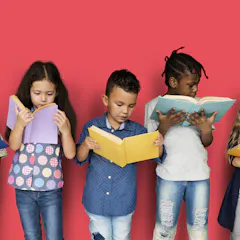
When it comes to reading, choosing the books your child reads, forcing them to read at certain times and asking them questions about their books are all big no nos.
Top contributors
-

Associate Professor, University of Southern Denmark
-
Associate Professor in Language, Literacy and TESL, University of Canberra
-
Sessional Tutor, Charles Sturt University
-
Professor of Reading and Children’s Development, The Open University
-
Honorary Associate in Creative Writing, The Open University
-
Professor Emerita of Linguistics, American University
-
Chancellor's Professor, Psychology, Carleton University
-
Senior Lecturer, Writing, Department of Media and Communication, Swinburne University of Technology
-
Deputy CEO (Research), Australian Council for Educational Research
-
Associate Professor of Postcolonial and Global Literatures, Nottingham Trent University
-
Professional Learning and Development Facilitator in Literacy Education, Te Kunenga ki Pūrehuroa – Massey University
-
Researcher in TESOL & Literacy, University of Notre Dame Australia
-
Associate Professor of Early Childhood Education, University of Maryland, Baltimore County
-
Associate Professor in Department of English Literature, Anglia Ruskin University
-
Associate Professor in English Literatures, University of Wollongong