

Framing cats as responsible for declines in biodiversity is based on faulty scientific logic and fails to account for the real culprit – human activity.
Articles on Rats
Displaying 21 - 40 of 59 articles

Climate change, globalization and concerns about rat poison soon could drive rat infestations to levels not seen in centuries. One way to curb them is getting humans to stop wasting food.
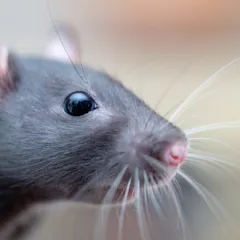
The Euler spiral has helped engineers for over 100 years – now we’re using it to understand biology.

Cities often embark upon drastic and expensive eradication campaigns designed to rapidly rid the city of pests like rats. But are the surviving rats stronger or weaker than before?

Some animals, like rats, learn linguistic patterns better than humans can.
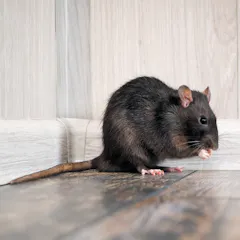
Black rats are originally from India and brown rats are originally from China.

Genetic analysis shows that urban rats prefer to stay near their relatives; however, some of them migrate. Knowing this could help with pest control efforts.

Leptospirosis is spread by rats and other rodents, potentially killing dogs and humans. But we can protect ourselves and our pets.
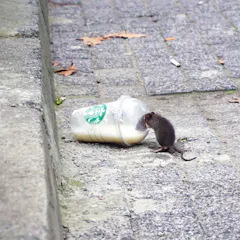
An ecosystems approach to cities that recognizes rats as part of the ecosystem can help address the challenges presented by urban rats.

Decades of work with lab rats lead to suggestions on how to stay grounded in the here and now, with benefits for brain health.

New findings from the Chagos Islands are a perfect parable for the Anthropocene.
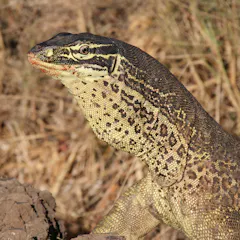
Rat baits are widely used to keep rodent pests at bay. But many Australian reptiles are resistant to the poison, potentially spreading these deadly compounds up the food chain.
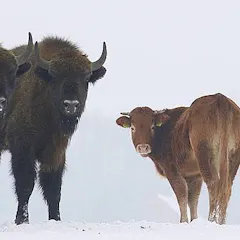
Animals do so much work for humans, from farm animals who die to feed us to service animals helping veterans with PTSD. It’s time we gave back by providing humane living and working conditions.

Elephants have the highest count of olfactory receptor genes of any species tested to date. This suggests that they may be the best smellers in the animal kingdom.
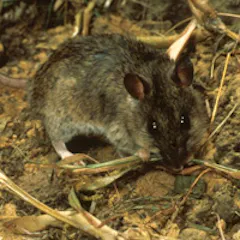
Lassa outbreaks are becoming more widespread in Nigeria but have not been given national emergency status like Ebola.

Releasing just 100 mice carrying a faulty gene designed to stop them reproducing can remove an entire population of 50,000, a new study shows, paving the way for new eradication efforts.
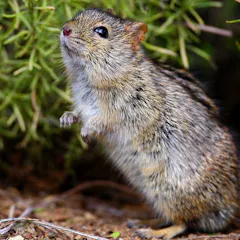
Agricultural pests are one of the key factors affecting small holder farmer production. Focus is normally put on invertebrate pests, but rodents can do severe damage to crops as well.
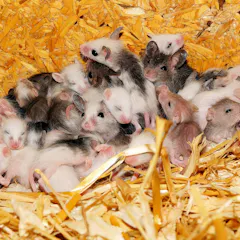
Animals that group together to fight off evolutionary pressure may actually evolve faster.
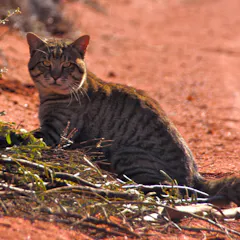
Cats, rats, foxes and other mammal predators have been implicated in 60% of the world’s animals extinctions.

Rats foul our food, spread disease and damage property, but we know very little about them. A biologist explains how he tracks wild rats in New York City, and what he’s learned about them so far.
Top contributors
-

Professor of Conservation Biology, School of Life and Environmental Sciences, University of Sydney
-
Professor of Behavioral Neuroscience, University of Richmond
-
Professor in Ecology, Charles Sturt University
-
Assistant Professor, Faculty of Health Sciences; Senior Scientist, Pacific Institute on Pathogens, Pandemics and Society, Simon Fraser University
-
Professor in Wildlife Ecology and Conservation, School of Life & Environmental Sciences, Deakin University
-
Clinical Associate Professor, School of Population and Public Health, University of British Columbia
-
Associate Professor in Wildlife Conservation, Edith Cowan University
-
Professor Emeritus in Terrestrial Ecology, University of Sydney
-
Visiting Research Scholar, Fordham University
-
Honorary Research Fellow, University of Sydney
-
Lecturer/Senior Lecturer, Nottingham Trent University
-
Professor of Palaeobiology, University of Leicester
-
Adelaide University
-
Senior Lecturer, School of Biological Sciences, Adelaide University
-
Postdoctoral fellow, FP7 Marie Curie Cofund Agreenskills+, Aarhus University