

Coal mines are notorious sources of acid mine drainage, but the orange sludge that threatens water supplies and wildlife also contains valuable rare earth elements.
Articles on Rare earth metals
Displaying all articles
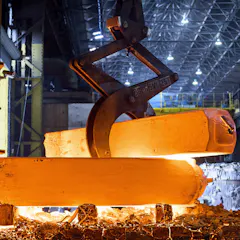
Materials science might seem very technical, but as a scientific discipline, it has led to many shifts in society over the past few centuries.

Recycling metals from e-waste will be critical as demand for raw materials is likely to outstrip supply in the near future.
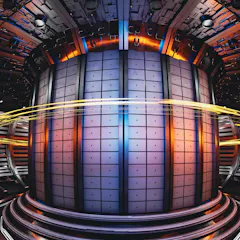
Some processes that support fusion energy fuel climate change and may harm the environment.
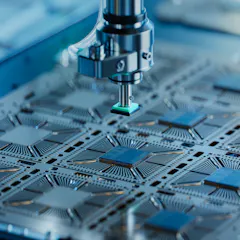
The effects of AI’s growth on global security could be difficult to predict.

Welcome to the new age of resource nationalism.
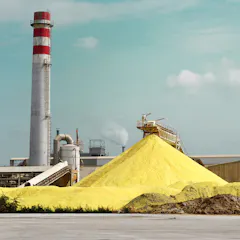
A key ingredient for a green future is currently derived from fossil fuels.
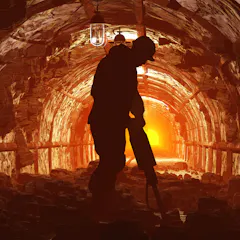
Solar panels and electric cars come with their own environmental trade-offs like increased mining and extraction.
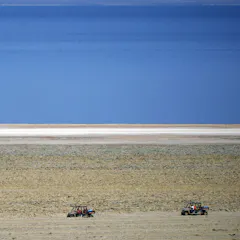
Canada could become a global leader in the supply of materials needed for renewable energy systems if it finds ways to control the environmental footprints associated with their extraction.
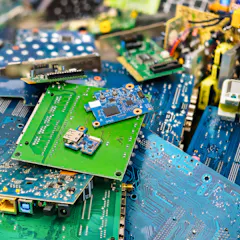
Rare-earth metals are currently mined or recovered via e-waste recycling — methods with drawbacks including high cost, environmental damage, and risks to human safety. This is where we come in.
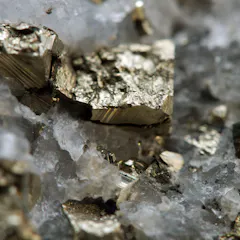
Iron fights anemia. Bismuth relieves gastric problems. Lithium acts against depression and gold can treat rheumatoid arthritis. Metals are precious tools for good health.
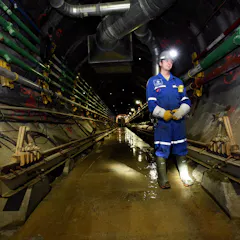
Other economic collapses have affected the mining industry, but the one spurred by the coronavirus pandemic is unusual.

The digital economy is taking off. So are the greenhouse gas emissions, electronic waste and pollution associated with it.
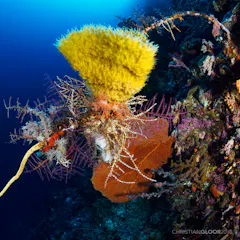
Companies are developing technologies to mine the deep sea, but environmental regulations have yet to be finalized.
Top contributors
-

EY Distinguished Scholar in Global Mining Futures, University of British Columbia
-
Professor and Head of Department of Mining Engineering, University of British Columbia
-
Professor of Management and Technology, University of East London
-
Professor, Department of Oceanography, Dalhousie University
-
Senior Research Fellow, Deakin University
-
PhD in International Relations (International Political Economy of Mining), Queen's University, Ontario
-
Professor, Keevil Institute of Mining Engineering, University of British Columbia
-
PhD Candidate in Politics and Environment, University of York
-
Senior Lecturer in Economics, University of Brighton
-
Research Fellow, Birmingham Centre for Strategic Elements & Critical Materials, University of Birmingham
-
Professor of Natural Resource Economics, West Virginia University
-
Assistant Clinical Professor of Critical Resources & Sustainability Analytics, University of Maryland
-
Professor, School of Earth and Ocean Sciences, University of Victoria
-
Professeur des universités, laboratoire GéoRessources, Mines Nancy, Université de Lorraine
-
Professor of Earth System Science, UCL