
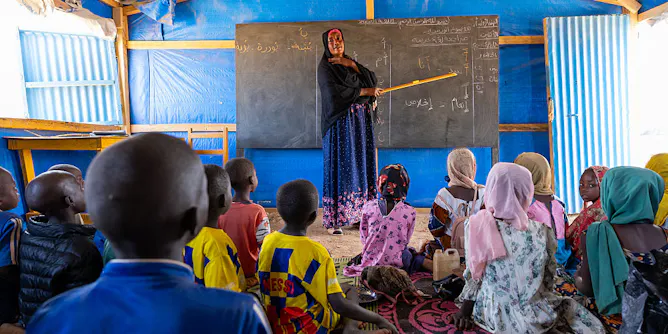
Eroding the gains made in education has severe consequences, especially for girls.
Articles on RandD
Displaying 81 - 100 of 3809 articles
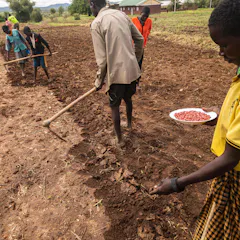
Figuring out how climate change will cause plant disease and pests to spread across Africa’s Great Lakes farms is critical for future food supplies.
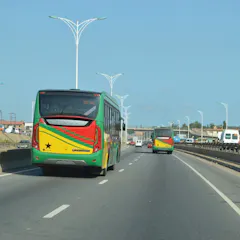
As cities grow, it would be better to have more efficient, higher-capacity transport than more vehicles on the road.
Botswana has significantly expanded income support for older people but it’s left them without the care they need.

Preterm births are associated with enduring trauma for mothers.

Economic conditions for ordinary Mozambicans are deteriorating. Poverty has risen, public services are unreliable and there are few decent job opportunities.
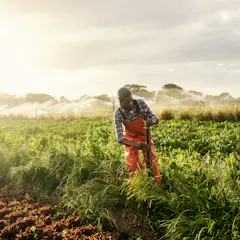
Thousands of hectares of communal land set aside for smallholder farmers’ use in South Africa are lying fallow because of collapsed government irrigation systems.
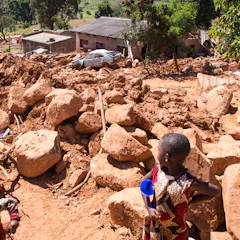
Disaster recovery agencies and governments must pay more attention to survivors’ invisible losses: grief, broken communities and disrupted identities.
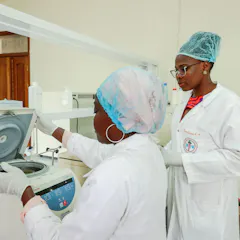
While Africa accounts for roughly 25% of the global disease burden, its people are largely invisible in randomised controlled trials.
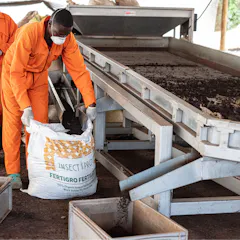
African food systems import 80% of the fertiliser they need. With Iran as a major producer, supplies are now limited and farming with less fertiliser is important.
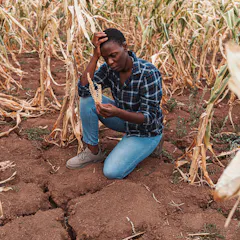
Extreme heat is a huge threat to health, work and food security across southern Africa.
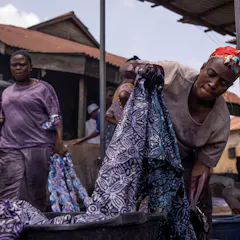
Childcare responsibilities, housing access and regional cultural norms influence where Nigerian women work.

Climate risk assessments guide how much funding is available to support climate impacts and need to work out which women are worst affected.
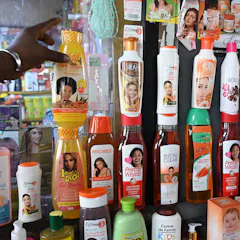
Strong social pressures shape how people respond to direct questions about skin colour.
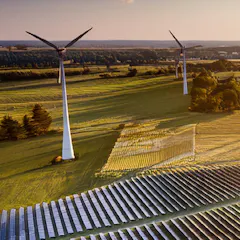
Africa’s clean energy funding would work much better if projects could borrow on fairer terms, and have longer to pay back loans.
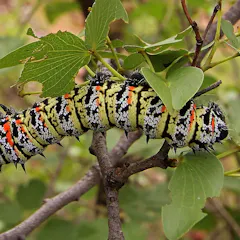
Mopane worms are an important source of food security and cash income for some rural households.
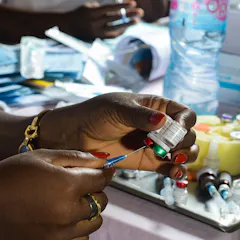
Malaria is still endemic in Africa.
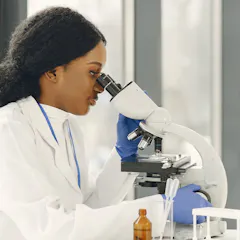
Women make up one in three researchers worldwide, but they remain sidelined in scientific organisations.
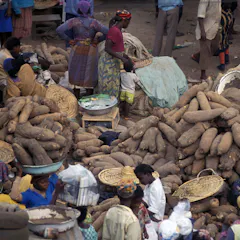
Communities affected by mining project delays live in a state of suspended time for three years.
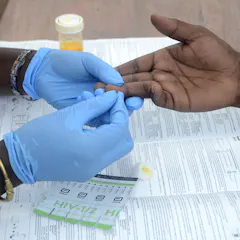
Adolescent girls and young women are at the heart of the HIV epidemic in sub-Saharan Africa. They need to know their HIV status.
Top contributors
-

Senior Fellow, Department of Agricultural Economics, Stellenbosch University
-
Dean Faculty of Health Sciences and Professor of Vaccinology at University of the Witwatersrand; and Director of the SAMRC Vaccines and Infectious Diseases Analytics Research Unit, University of the Witwatersrand
-
Research Scientist, African Population and Health Research Center
-
Fellow, Nigerian Academy of Science
-
Principal Medical Scientist and Head of Laboratory for Antimalarial Resistance Monitoring and Malaria Operational Research, National Institute for Communicable Diseases
-
Medical scientist, National Institute for Communicable Diseases
-
Research Fellow, Tegemeo Institute, Egerton University
-
Pro Vice-Chancellor, Climate, Sustainability and Inequality and Director, Southern Centre for Inequality Studies, University of the Witwatersrand
-
Professor of medicine and deputy director of the Desmond Tutu HIV Centre at the Institute of Infectious Disease and Molecular Medicine, University of Cape Town
-
Professor of Sociology (Criminology, Victimology and Security Studies), University of Ibadan
-
Professor and Programme Director, SA MRC Centre for Health Economics and Decision Science - PRICELESS SA (Priority Cost Effective Lessons in Systems Strengthening South Africa), University of the Witwatersrand
-
Extraordinary Professor, Global Health, Stellenbosch University; South African Medical Research Council
-
Research associate at African Centre for Cities, University of Cape Town
-
Senior Research Associate, University of Johannesburg
-
Professor of Political Science and Chair of the South African Research Initiative in Gender Politics, Stellenbosch University