
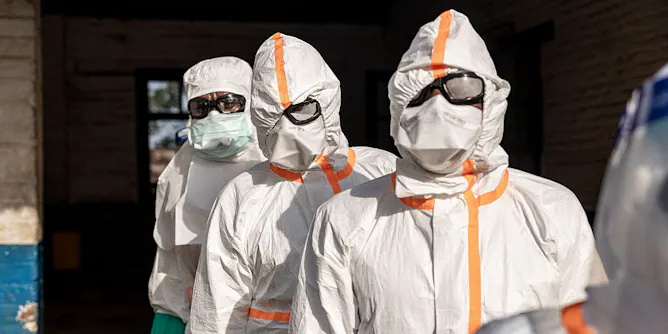
The steps set out in the report on global pandemic preparedness are vitally important for managing future outbreaks.
Articles on RandD
Displaying 61 - 80 of 3809 articles

Not really knowing how much fuel your country needs is a problem.
Sovereign debt markets are beginning to develop a way to manage shocks before they escalate into full restructuring episodes.

Because iron could be used in tools, it was a technical and social revolution, especially for agriculture.
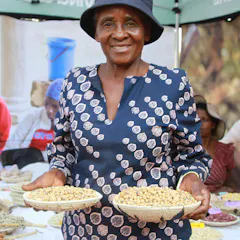
As climate crises deepen, Africa must turn its hard-won experience and local knowledge into global leadership on climate, health, food systems and clean energy.
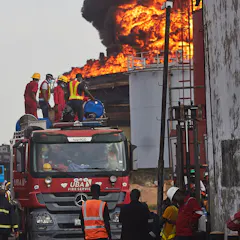
Wealthy nations will need to help fund clean energy, green industrial growth and mineral processing.

Diesel has become South Africa’s shadow infrastructure system by compensating for failures in electricity generation and freight rail.

The Ebola outbreak in the DRC has the potential to become huge and of long duration.

Urban design depends heavily on human judgment and field-based understanding.
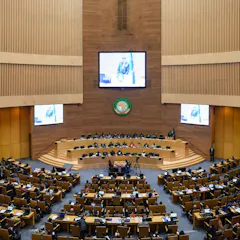
Africa needs to invest in itself.

Early identification of abnormal heart rate and blood pressure is crucial to prevent maternal deaths from postpartum haemorrhage and maternal sepsis.

When central banks raise interest rates, debt holders feel the impact. But high rates also create an opportunity.
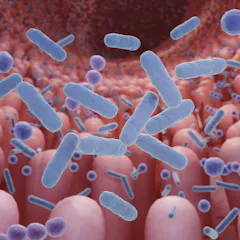
Microbiomes influence how efficiently a child’s body extracts and uses nutrients from food for growth and development.
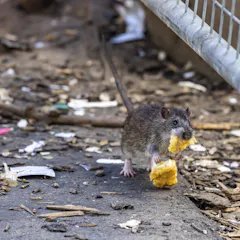
Weak surveillance and climate change could allow deadly hantaviruses to spread unnoticed across African countries, raising the risk of future outbreaks.

10 years after official end of the Ebola pandemic, very few people know that survivors have struggled to continue with their lives.

The World Bank Group’s integration process must at least maintain the current independence, accessibility and effectiveness of its three accountability mechanisms.
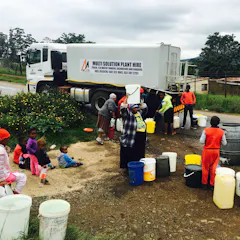
Water tankers are meant for emergencies but are fast becoming the norm for many communities.
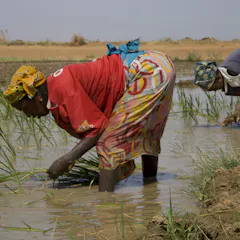
Science can only change the world when societies decide to give it the means to do so.

Circular economies don’t follow the ‘take, make and dispose’ model but try to keep products in use for as long as possible by reusing and recycling them.
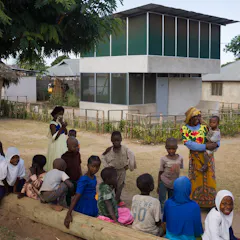
A three year study of Tanzanian children found that changing the way homes are designed can prevent diarrhoea, pneumonia and malaria, and help children grow taller.
Top contributors
-

Senior Fellow, Department of Agricultural Economics, Stellenbosch University
-
Dean Faculty of Health Sciences and Professor of Vaccinology at University of the Witwatersrand; and Director of the SAMRC Vaccines and Infectious Diseases Analytics Research Unit, University of the Witwatersrand
-
Research Scientist, African Population and Health Research Center
-
Fellow, Nigerian Academy of Science
-
Principal Medical Scientist and Head of Laboratory for Antimalarial Resistance Monitoring and Malaria Operational Research, National Institute for Communicable Diseases
-
Medical scientist, National Institute for Communicable Diseases
-
Research Fellow, Tegemeo Institute, Egerton University
-
Pro Vice-Chancellor, Climate, Sustainability and Inequality and Director, Southern Centre for Inequality Studies, University of the Witwatersrand
-
Professor of medicine and deputy director of the Desmond Tutu HIV Centre at the Institute of Infectious Disease and Molecular Medicine, University of Cape Town
-
Professor of Sociology (Criminology, Victimology and Security Studies), University of Ibadan
-
Professor and Programme Director, SA MRC Centre for Health Economics and Decision Science - PRICELESS SA (Priority Cost Effective Lessons in Systems Strengthening South Africa), University of the Witwatersrand
-
Extraordinary Professor, Global Health, Stellenbosch University; South African Medical Research Council
-
Research associate at African Centre for Cities, University of Cape Town
-
Senior Research Associate, University of Johannesburg
-
Professor of Political Science and Chair of the South African Research Initiative in Gender Politics, Stellenbosch University