
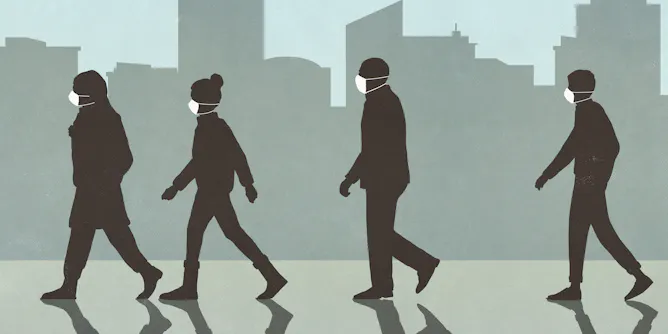
Two economists argue that people who believe the economy will turn around quickly have more incentive to quarantine.
Articles on Quarantine
Displaying 61 - 80 of 112 articles
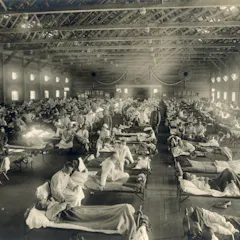
A century ago, the influenza pandemic killed about 50 million people. Today we are battling the coronavirus pandemic. Are we any better off? Two social scientists share five reasons we have to be optimistic.
Multiple failures to properly enforce border quarantine measures should never have happened, given the strength of New Zealand’s emergency laws.

Two new cases of COVID-19 have been announced in New Zealand, after 23 consecutive days with no new cases. But that doesn’t mean that the country’s elimination efforts have failed.
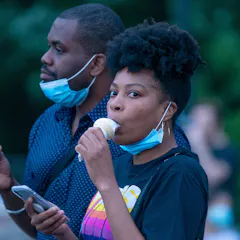
If coronavirus is still circulating, why are we safer now that social distancing measures have been relaxed? A public health expert explains.
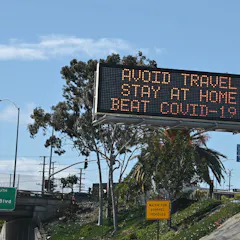
Four researchers studied California’s shelter-in-place orders to figure out how many lives were saved by its early enactment. Here’s what they found.

Low-wage workers are less likely than high-wage workers to have access to things like masks, hand sanitizer and training on how to prevent COVID-19 transmission.
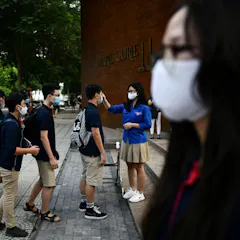
Vietnam is one of the poorest nations in Asia, yet it has had remarkably few Covid-19 cases. In part, the country’s limited resources led to a cautious, proactive approach.
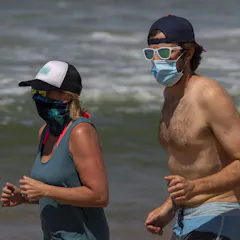
Without clear guidelines from states or the feds on how to stay safe after reopening, it’s hard to know what to do. A doctor suggests things to consider in a park, at the beach and the pool.

Recipe sharing is all the rage in the pandemic as in other times of turmoil. English cookbooks of the 16th and 17th centuries promised recipes for comfort with a dash of glamour.

We all need reassurance and humour in the coronavirus pandemic. A best-of list of both biting satire and silly parody to beat the quarantine blahs.
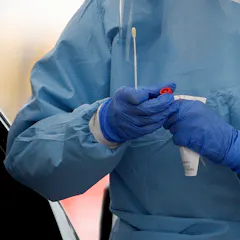
Test, trace, maintain social distance, and keep travel bans and quarantines in place. These measures will help Australia keep the coronavirus in check as we gradually emerge from lockdown hibernation.
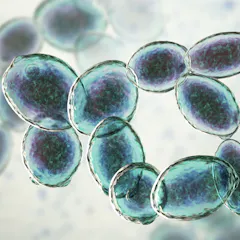
Yeast is a single-celled organism that’s everywhere around us. Understanding how yeast works can help you make better bread and appreciate this old friend of humanity.
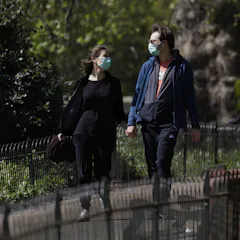
Physical activity is important for all kinds of health reasons, even in quarantine.
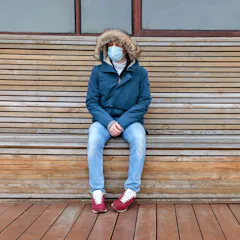
When the things we consider to be normal break down, outcomes that once seemed unlikely or extraordinary become possible.
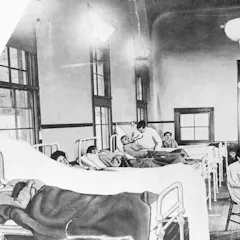
TyphoidMary is shorthand today for those who defy social distancing orders. The real Typhoid Mary is perhaps the most prominent example in the US of the unknowing disease carrier.
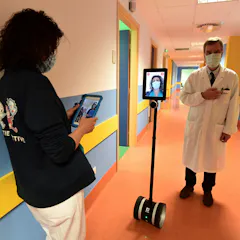
Robots are helping health care workers and public safety officials more safely and quickly treat coronavirus patients and contain the pandemic. They have something in common: They’re tried and tested.

A couple and family therapist offers five tips for getting along while enduring physical distancing measures to help stop the spread of COVID-19.

Zoom’s privacy and security shortcomings are just the latest videoconferencing vulnerabilities. Knowing each platform’s risks can help people avoid many of the downsides of virtual gatherings.

Cellphone data can show who coronavirus patients interacted with, which can help isolate infected people before they feel ill. But how digital contact tracing is implemented matters.
Top contributors
-

Professor of Biostatistics and Epidemiology, Adelaide University
-
Assistant Professor of Epidemiology and Biostatistics, University of Nevada, Las Vegas
-
Professor of Nursing and Health Services Research, University of Newcastle
-
Associate Professor of Medicine, Michigan State University
-
Professional Research Fellow, Victoria University
-
Professor, Director of Research, Nursing and Midwifery, Monash University
-
Assistant Professor of Sociology, Psychology, and Public Health, University of Nottingham
-
Associate professor, University of Sydney
-
Adjunct professor, Te Herenga Waka — Victoria University of Wellington
-
Professor of Law, University of Waikato
-
Senior Lecturer in Communicable Disease Epidemiology, University of Sydney
-
Professor in Applied Mathematics, University of Canterbury
-
Director, Centre for the Study of Higher Education, The University of Melbourne
-
Professor of Global Biosecurity, NHMRC L3 Research Fellow, Head, Biosecurity Program, Kirby Institute, UNSW
-
Assistant Professor of Epidemiology and Biostatistics, University of Illinois Chicago