

Public relations is a form of manipulation, used to shift public opinion. It is expressly designed to benefit the organization wielding it, something we’d be wise to remember during the pandemic.
Articles on Public relations
Displaying 21 - 40 of 69 articles

Villain, victim or hero? It all depends on who’s telling the story. When an audience is aware of how a story is framed, it can focus on the arguments, not the frame.

A PR veteran explains four key takeaways from a survey of communicators and activists taken earlier this year and what they mean for today’s anti-racism protests.

For decades, there’s been a concerted effort by law enforcement to ensure their perspectives – and not those of people being policed – dominate prime-time television.

New research shows that when companies do things like give to charity or reduce their carbon footprint, consumers perceive their products as less risky.

In the wake of the New Deal, the business community realized that appealing to widely shared American values could get the public to oppose measures that curbed corporate power.
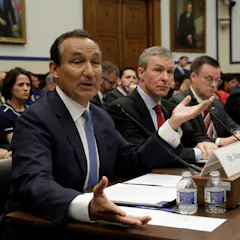
United Airlines faced a public relations nightmare when they dragged a man off a flight in 2017 – until the blame shifted back to the victim.

Social media make it easier to push information out quickly during disasters, but also create challenges for public information officers, who have to judge which reports are credible enough to share.

By positioning himself as a loveable granddad to supporters and the punchline of a joke to his opposition, Zuma adroitly defangs the very serious charges against him.

Any good political spin doctor employs a range of overt and covert tactics to get their message across. Here are some of the most common ones.
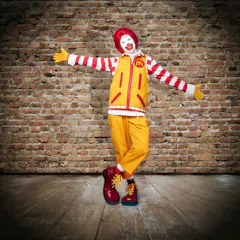
The link that Ronald McDonald House creates between itself and sick children is not just positive, it is sacrosanct.

Research shows that consumers don’t like it when businesses make money. Why?

Paraffin stoves are used all over South Africa in millions of households and are the riskiest.
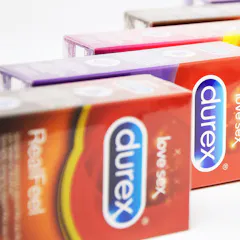
Major brands which suffer from high profile product recalls need to follow some basic rules to make sure they weather the storm.

Incidents that may have been mere hiccups a few years ago can go viral in an instant today. ABC seems to have learned from the mistakes of others.

The international condemnation of Israel’s violent response to the Gaza protests shows how misplaced its “Brand Israel” campaign has been.

Critical thinking is of paramount importance, especially as it applies to research on the internet – and to our energy future. Educators have a duty to ensure students avoid fake news on energy.

Appearing to co-operate is the best way to try to influence the terms of an inquiry and manage the bad press.
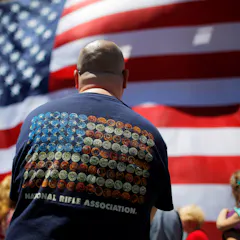
In the wake of the Vegas shooting, the NRA has turned the public’s attention away from the core issue of banning guns by using a business strategy called issue management.

PR for dummies and despots.
Top contributors
-

Director of Undergraduate Studies, School of Journalism, Media and Cultural Studies, Cardiff University
-
Lecturer in Politics, The University of Melbourne
-
Assistant Professor, Institute of Communication, Culture, Information and Technology, University of Toronto
-
Associate Professor in Digital Media, Queensland University of Technology
-
Professor of Information Systems, Michigan State University
-
Senior Lecturer, Communications, Media and Culture, University of Stirling
-
Professor of Health Service Operations, School of Pharmacy & Medical Sciences, University of Bradford
-
Lecturer in Advertising and Brand Creativity, Auckland University of Technology
-
University of Southern California
-
Associate Professor of History, College of the Holy Cross
-
Associate Tutor in Politics, Edge Hill University
-
PhD Candidate in Cognitive Neuroscience, The University of Queensland
-
Research Chair in Risk and Resilience, University of Glasgow
-
Professor, Marketing, Queen's University, Ontario
-
Adjunct professor, University of Winnipeg