
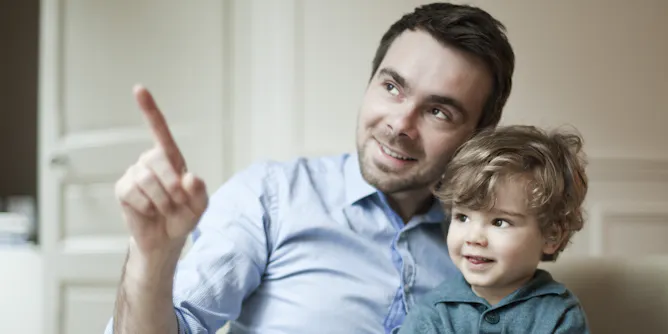
People often try to seem confident and certain in their message so it will be trusted and acted upon. But when information is in flux, research suggests you should be open about what you don’t know.
Articles on Psychology research
Displaying 41 - 60 of 96 articles

Social media during the pandemic is not all doom scrolling and despair. Lighter memes have psychological benefits.
Human beings evolved to nurture – and that drive can extend to children who aren’t your own and even to members of other species.
Have you ever bought an item and then just not gotten around to using it because the time never felt right? New studies suggest an explanation for what researchers call nonconsumption.
Cognitive neuroscientists use brain imaging and behavioral economic games to investigate people’s sense of fairness. They find it’s common to take care of yourself before looking out for others.
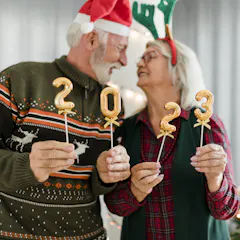
Psychology studies suggest a variety of ways you can strengthen your bond and increase your satisfaction with your partner.
Unfairness alone is upsetting enough to drive people to punish lucky recipients of unfair outcomes.
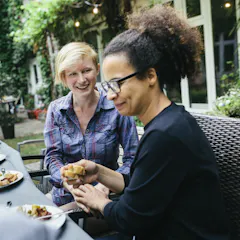
White people are often defensive when they’re called out for these subtle snubs and insults. But researchers have found that microaggressions correlate with racial bias.

Psychologists have identified the characteristics of ‘moral rebels’ who make the tough choice to stand up for their principles in the face of negative consequences.
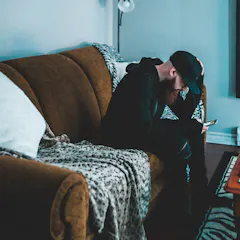
A survey of 500 adults in the US provides a snapshot of the ways people are dealing with life during a pandemic and how well they think they’re doing.

Online pornography is one business that’s booming during the coronavirus pandemic. A psychology researcher explains its pull and whether there are likely to be longer-term effects of this surge in use.
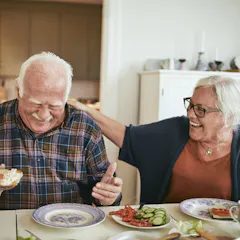
Cooped up with a partner and nowhere to go to break it up? Coronavirus social distancing… or another day in retirement? Research on older couples holds tips for everyone else on how to deal.
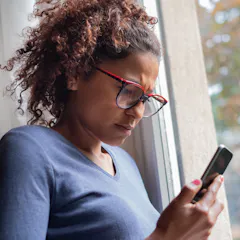
Images without context or presented with text that misrepresents what they show can be a powerful tool of misinformation, especially since photos make statements seem more believable.
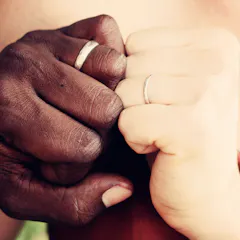
After the intensity of early courtship, even a healthy, happy relationship can feel lackluster. Psychology researchers have ideas for what can help you perk up your relationship rather than give up.
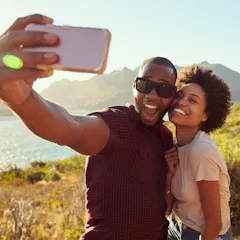
Social psychologists investigated why Facebook users post profile pics of themselves with a romantic partner and how those online displays are interpreted by others.
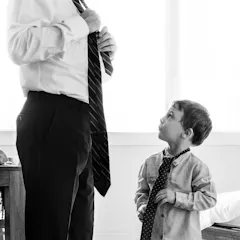
A quirk of psychology that affects the way people learn from others may have helped unlock the complicated technologies and rituals that human culture hinges on.

Do children understand the lesson that if you scratch my back, I’ll scratch yours? Developmental psychologists suggest they’re more likely to punish bad behavior than they are to reward good deeds.

A psychologist unexpectedly realized that Obama’s memoir ‘Becoming’ mirrors the life stages she’s identified in a group of women she’s been tracking since 1970.

Even when everything’s going great in your relationship, you likely harbor some ambivalence toward your partner deep down. Psychology research suggests it’s not just OK, but normal.
A cold, logical list of attributes sought in a partner is cast aside by the hot emotions that come up in real life. A psychology researcher explains how this ‘hot-cold empathy gap’ works in dating.
Top contributors
-

Professor of Psychology, Monmouth University
-
Professor of Communication, The Ohio State University
-
Associate Professor of Psychology, Regent University
-
Associate Professor of Psychology, Vanderbilt University
-
Assistant Professor of Psychological Science, Boise State University
-
Associate Professor of Marketing, California State Polytechnic University, Pomona
-
Associate Professor of Psychology, USC Dornsife College of Letters, Arts and Sciences
-
Postdoctoral Fellow at The Injury and Violence Prevention Program, Virginia Commonwealth University
-
David K. Wilson Professor of Psychology, Vanderbilt University
-
Poler Family Professor of Psychology, Amherst College
-
Assistant Professor of Psychology, Eureka College
-
Senior Lecturer in the School of Psychology, University of Lincoln
-
Emeritus Professor of Psychology, Arizona State University
-
Ph.D. Student in Psychology and Neuroscience, University of North Carolina at Chapel Hill
-
Postdoctoral Fellow in Anthropology, University of Utah