
Scientists are discovering viral genetic sequences in the wild faster than they can analyze them. A kind of ChatGPT for proteins can help make sense of all that data.
Articles on Proteins
Displaying 21 - 40 of 99 articles
Identifying proteins that are only present in bodily fluids when a patient has breast cancer could provide a way to screen healthy people for the disease.
Vegan foods are considered by most consumers to have no ingredients of animal origin, but they may actually contain milk proteins.
Bacteria that are resistant to phenomenal amounts of radiation are prompting us to rethink our understanding of the mechanisms underlying ageing.

Many people know someone with a genetic disease, but few understand how gene mutations work.
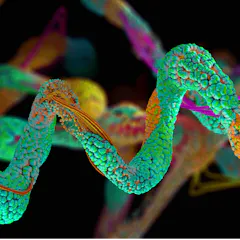
Tracing isotopes of carbon inside amino acid molecules has revealed the ‘metabolic fingerprints’ of how different animals store and use energy.
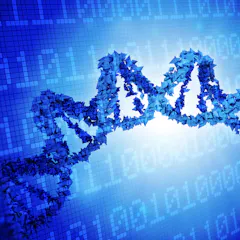
Many of the amino acids that make up proteins are encoded by genetic material in more than one way. An information theorist explains how principles of nature may account for this variance.

Despite the filthy waters they often reside in, saltwater crocodiles don’t get sick that often. Perhaps we could one day harness the special proteins that help them.
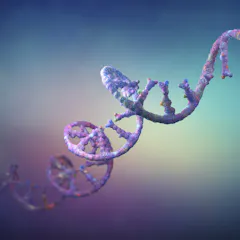
Making sure RNA molecules are in the right place at the right time in a cell is critical to development and normal function. Researchers are figuring out exactly how they get to where they need to go.
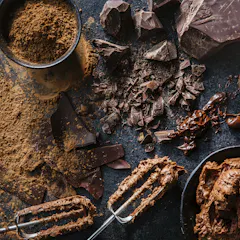
There’s a lot of interesting science behind the fermenting, roasting, grinding and melting that turns chocolate into the bars, bonbons and baked goods you know and love.
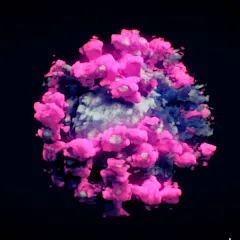
Many microscopy techniques have won Nobel Prizes over the years. Advancements like cryo-ET that allow scientists to see the individual atoms of cells can reveal their biological functions.
Impaired insulin receptors in the blood vessels between the blood and the brain may contribute to the insulin resistance observed in Alzheimer’s disease.
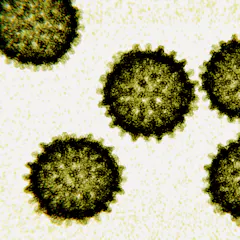
Using a Nobel Prize-winning technique called cryo-EM, researchers were able to identify potential areas on the hepatitis C virus that a vaccine could target.
The chemical reaction that forms essential biomolecules like proteins and DNA normally doesn’t occur in the presence of water. Microdroplets provide a unique environment that make it possible.
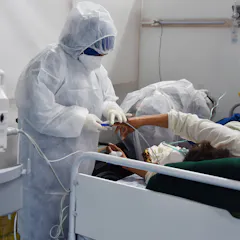
The enigmatic envelope protein seems to hold the key to understanding why some human coronaviruses cause more severe disease than others.

Gene therapies and vaccines are often injected into muscle cells that are inefficient at producing desired proteins. Making them work more like liver cells could lead to better treatment outcomes.
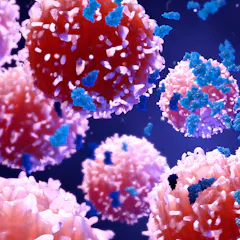
Faulty cellular waste management machinery can lead to cancer and neurodegenerative diseases, but researchers are also targeting this machinery to treat these diseases.
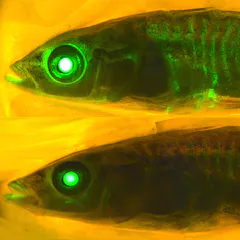
The AI AlphaFold can figure out the three-dimensional protein structure any string of amino acids will become. It has now exceeded its training by figuring out what makes some proteins glow.
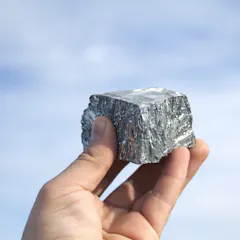
While iron and calcium are the metals that get the most attention, zinc is also important for human health and function.
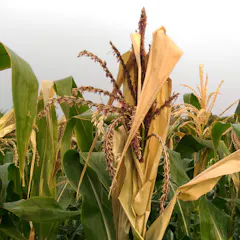
The climate crisis makes it important to investigate and understand the mechanisms of plant growth if we are to keep agricultural crops sustainable.
Top contributors
-

Doctoral Student in Biochemistry, University of Washington
-
Professor of Chemistry, Connecticut College
-
Assistant Professor of Biology, Clark University
-
Associate Professor in Biophysics, University of Pretoria
-
Professor of Science Communication and Chemistry, University of Hull
-
Professor of Microbiology, School of Medicine, University of Washington
-
Postdoctoral researcher in photosynthesis, Vrije Universiteit Amsterdam
-
PhD Candidate in Chemistry, Purdue University
-
Assistant Professor of Biological Sciences, University of California, San Diego
-
Senior Faculty Member at the Garvan Institute, Conjoint Professor at UNSW, and Senior Principal Research Scientist, CSIRO
-
PhD student in Biology, University of Rochester
-
Honorary Associate Professor, University of Leicester
-
Research Assistant Professor at U-M Life Sciences Institute and Assistant Professor of Biological Chemistry, U-M Medical School, University of Michigan
-
Professor of Tumour Immunology, University of Hull
-
Professor of Horticultural Sciences and Plant Molecular and Cellular Biology, University of Florida