

Prison conditions should comply with human rights obligations and avoid cruel, inhumane, degrading treatment of prisoners.
Articles on Prison
Displaying 21 - 40 of 240 articles

Over 2 dozen Philadelphia men shared their experiences with trauma and psychological distress as they worked to rebuild their lives after release.

From confinement to food, lessons learned behind bars could be key to surviving on the red planet.
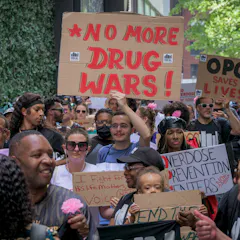
Incarcerating people who use drugs is associated with increased overdose deaths after release and high rate of recidivism.
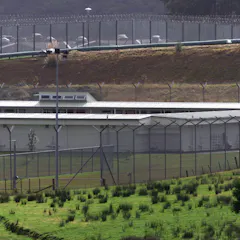
Nearly half of New Zealand’s prison population is on remand. But these units are not suitable for successful rehabilitation, and most people are not eligible anyway.
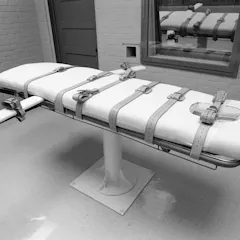
The Supreme Court has ruled that executing the innocent does not violate the Constitution, but some states allow people convicted of crimes to bring actual innocence claims.

Inside one of Australia’s maximum-security prisons, inmates and prison officers have created an indoor farm, growing herbs and leafy greens for the on-site café.
Anti-money laundering rules make it very difficult for ex-prisoners to open a bank account – meaning it’s harder to get paid or receive a benefit.

Research shows that imposing longer sentences harms inmates and society. There are less expensive − and more effective − ways to hold people accountable and help them prepare for life after prison.

New data on Closing the Gap shows more Indigenous people are in prison, not less.

Community notifications are intended to be helpful, however, they can also make reintegrating back into the community challenging for released individuals.

Placing migrants who are not criminals in prisons risks serious violations of their human rights and perpetuates narratives about the criminality of immigrants.
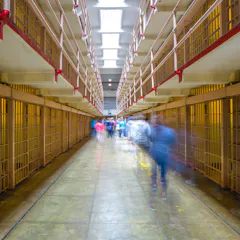
So much of day to day life is not powered by technology, but what happens if you’ve been behind bars for years? It’s time prisoners better prepared inmates for life once they’ve served their time.
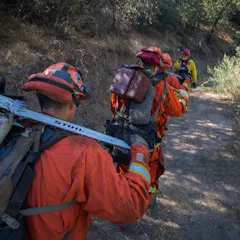
Georgia’s inmate fire crews respond to hundreds of calls in surrounding counties every year. Without them, there might not be a responder, but they aren’t universally loved – and they don’t get paid.
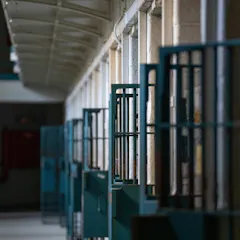
With a series of high-profile cases in the news, parole is back in the spotlight. Let’s unpack some of the most common misconceptions about what parole really means.

There are proven ways to significantly reduce violent crime within the next five years. It requires becoming not “tough on crime,” but “smart on crime” before it happens.

Deepfake pornography raises questions about consent, sexuality and representation. The issue is more complicated than online misogyny — new criminal laws are not our best response.
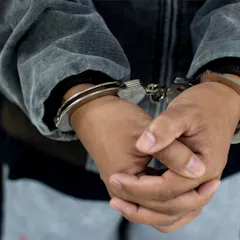
The new guidelines are not intended to reduce punishment but aim to reduce disparities in punishment that are linked to race and ethnicity.

A major new report identifies how a ‘trauma-informed’ justice system would acknowledge and act on the deprivation and mental health problems experienced by so many offenders.

Understaffing and budget cuts mean prisoners often struggle to complete rehab programmes, even when they want to. ACT’s Parole Amendment Bill risks having the opposite of its intended effect.
Top contributors
-

Professor Emerita of Criminology, UNSW
-
PhD Candidate, University of Technology Sydney
-
Professor of Criminology, University of Technology Sydney
-
Senior Lecturer, Political Science and International Relations, University of Canterbury
-
Associate Professor of Political Science, Emerson College
-
Professor of Law, University of Technology Sydney
-
Senior Lecturer in Social Work, University of Salford
-
Professor of Law, University of Waikato
-
Professor of Economics, University of Birmingham
-
Professor of Criminology, University of Portsmouth
-
Professor of Law, University of British Columbia
-
Lecturer, RMIT University
-
PhD Candidate, Department of Law and Legal Studies, Carleton University
-
PhD Candidate in Criminology at Australian National University, Australian National University
-
Associate Professor of Sociology, University of Hawaii