
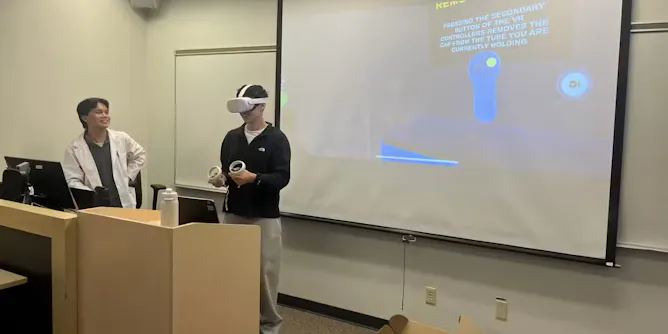
The advantage of virtual reality training is scalability. The same experience can be delivered in many countries simultaneously, without need for travel.
Articles on Precision agriculture
Displaying all articles
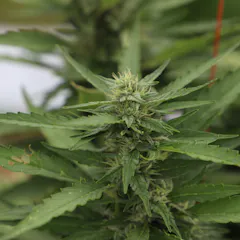
Researchers have used drones and ground sensors to get the first ever measurements of exactly how much water hemp crops consume.
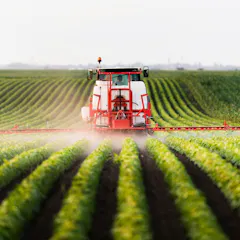
Canada is developing sophisticated AI tools for agriculture but lacks the systems to help farmers understand, integrate and trust these technologies.
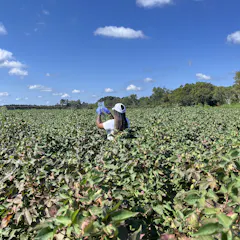
AI can help farmers be more effective and sustainable, but its use varies from state to state. A project in Georgia aims to bring the technology to the state’s cotton farmers.

There’s a long list of green skills that women across Africa need so that they can get jobs and start businesses that help the world adapt to climate change.

New research shows carbon in soil minerals is much more important than anybody realised.
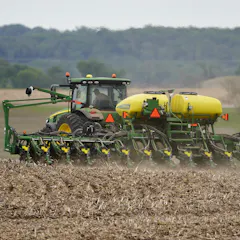
AI is exciting and scary, but it’s also a very useful tool. Here’s how AI is helping farmers shore up their bottom lines, protect the environment and boost food security.
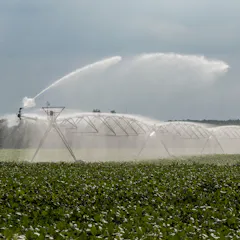
The Agricultural Internet of Things is making farming more efficient. An information technology expert describes some of the challenges of working with sensors and antennas underground.
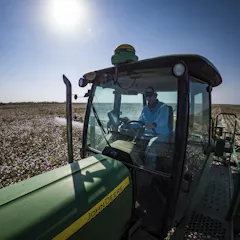
Bringing advanced technologies to the ancient practice of farming could help feed the world’s growing population, but it could also open the door for people looking to disrupt the global food system.
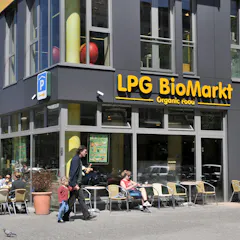
An expert on organic agriculture argues that the US is missing an economic and environmental opportunity by not working to scale up organic production.
The ongoing coronavirus pandemic has further destabilized global food chains supplies. Technological innovations like blockchain can help address these challenges.
Year round local food production is within our grasp, and will slash agriculture’s climate impact — but only if we embrace agricultural technology.
We’re not powerless to change the future of food. Nature and technology can combine to nourish both the earth and its inhabitants.
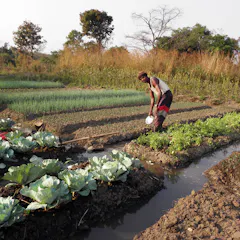
Demonstration farms are a key way in which new knowledge can be transferred to farmers around the world.
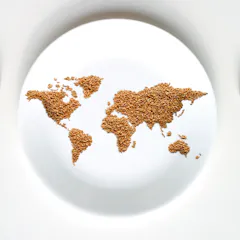
The concerns about genetically modified foods are well known. But when we look at population and climate projections, what happens if we don’t use them to increase our food supply?
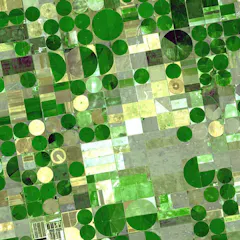
The majority of water that people use goes to agriculture. In a drier, hungrier future, we’ll need to use what water we have with less waste. Technologies being developed now will help.
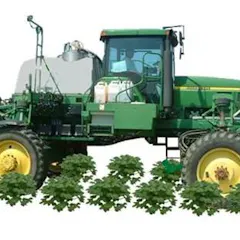
Precision agriculture harnesses technology to help farmers grow more food using less water, fertilizer, pesticide, fuel and labor.
Top contributors
-

Director of the Arrell Food Institute and Professor in the Dept. of Geography, Environment and Geomatics, University of Guelph
-
Research Engineer at Utah Water Research Laboratory, Utah State University
-
Senior Lecturer in Agriculture, Nottingham Trent University
-
Professor of Population Ecology, University of Leeds
-
Assistant Professor of Political Science, University of Nebraska Omaha
-
Chief Research Scientist, CSIRO Environment; Executive Director, Global Carbon Project, CSIRO
-
Associate Professor, Department of Entomology; African-American Studies, University of Illinois Urbana-Champaign
-
Director, Food and Agriculture Institute, University of The Fraser Valley
-
Associate Professor of Digital Forensics, Arizona State University
-
PhD Student, Environmental Sustainability, L’Université d’Ottawa/University of Ottawa
-
Professor of Civil and Environmental Engineering and Director of Utah Water Research Laboratory, Utah State University
-
PHD Student, Geography, Environment and Geomatics/Arrell Food Institute, University of Guelph
-
PhD Candidate, Department of Integrative Biology, University of Guelph
-
Chair, Department of Electrical and Computer Engineering, Associate Professor of Cybersecurity, SUNY Polytechnic Institute
-
Professor of Biological and Agricultural Engineering, Mississippi State University