
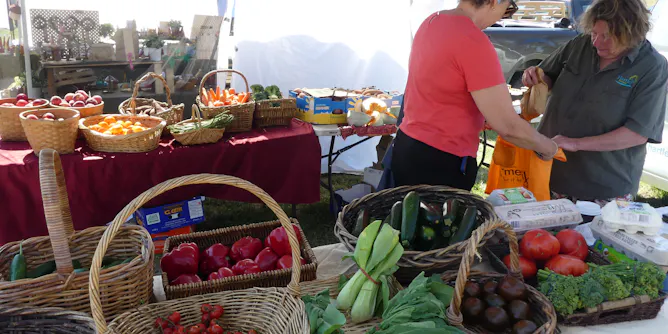
This shock to our food system is not the first, and won’t be the last. A focus on band-aid solutions that prop up the current system undermines long-term resilience.
Articles on Food supply
Displaying 1 - 20 of 55 articles
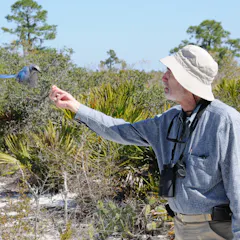
Paul R. Ehrlich will be remembered as a scientist whose books about population and threats to the environment shaped the idea of limited growth in the modern era.
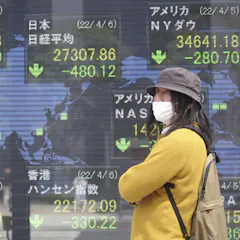
To date, projections of how climate change will affect global GDP have been massively underestimated.
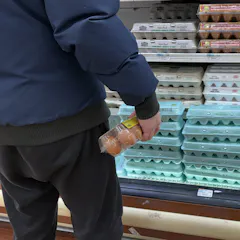
Consumers and politicians blame cage-free egg laws and bird flu outbreaks for high egg prices. But the root cause is an outdated supply chain system.

Faced with both a trade war and annexation threats, Canada must confront whether its domestic food systems can feed its population in a crisis.

A new report shows how ubiquitous unhealthy foods are, how aggressively they are promoted, and how hard it is to access healthy foods in places people spend time.
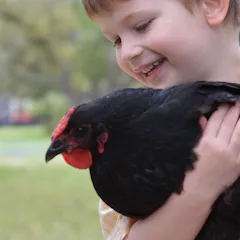
Research has found people see backyard chickens as pets – but wouldn’t take them to the vet. It raises important questions about how we relate to the non-human world.

Just like fires can contaminate municipal water systems by melting pipes, farms’ and ranches’ water supply systems are at risk. A first-of-its-kind study after the Maui fires explores the harms.
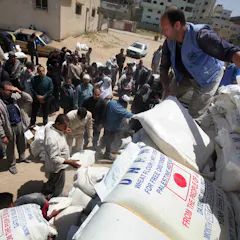
Water, food, energy and fuel supplies have been severed as retaliation for Hamas’s attacks.

Did the Green Revolution, which brought high-tech agriculture to developing nations in the 1960s, prevent famine? Recent research takes a much more skeptical view.
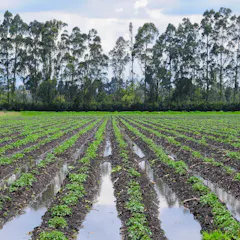
Potatoes are profitable and in demand. But wet weather and hard-to-control diseases have caused havoc for our growers.

Rapid increases in food prices due to inflation mean many Canadians may be making different food choices. Here are the possible short- and long-term effects of that, and some ways to save money.

Growing fresh produce on the outskirts of a city reduces food miles and increases food security. But the foodbowls next to our our big cities are fast losing their land to urban growth.
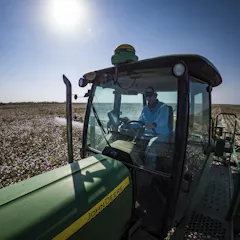
Bringing advanced technologies to the ancient practice of farming could help feed the world’s growing population, but it could also open the door for people looking to disrupt the global food system.
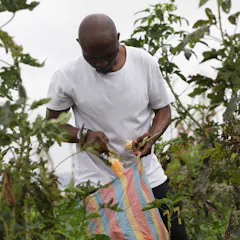
Algorithms can help determine what farm inputs and policies can boost food production.
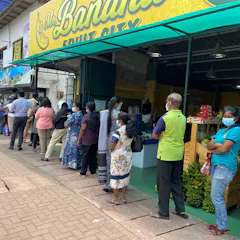
Food, fuel and fertiliser prices were rising fast even before war broke out. We need to act now to avoid a humanitarian crisis.

Scientists are just beginning to decode the genetic messages in your food – and how that may affect your health.
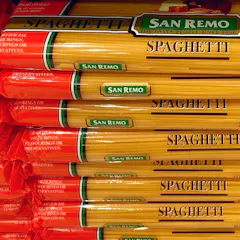
Australia has a short-term distribution problem, not a lack of food problem, and most foods have substitutes.
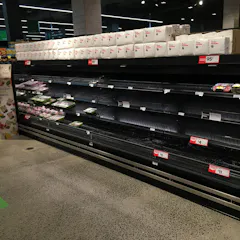
Since COVID hit, many Australians have seen first-hand what shocks to the food system can do.
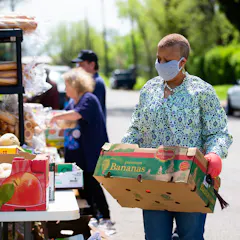
COVID has exposed how vulnerable Australia’s food charities are in times of crisis. But we can prepare for the next disaster.
Top contributors
-

Director of the Arrell Food Institute and Professor in the Dept. of Geography, Environment and Geomatics, University of Guelph
-
Senior Lecturer, School of Engineering and Built Environment, Griffith University, Griffith University
-
Professor of Geography and Environmental Systems, University of Maryland, Baltimore County
-
Colorado State University
-
Honorary Research Fellow, University of Liverpool
-
University of Washington
-
PhD Candidate, School of Social Sciences, University of Tasmania, and Senior Research Consultant, Institute for Sustainable Futures, University of Technology Sydney
-
Professor of Agri-Environmental Economics, University of Kent
-
Honorary Research Fellow in Agrarian History, University of Leicester
-
Aquaculture scientist, CSIRO
-
Associate professor, Global Change Institute, University of the Witwatersrand
-
Principal Research Scientist, CSIRO
-
Professor Emeritus, Oceanlab, University of Aberdeen
-
CEO, Crops for the Future Research Centre and Professor of Global Food Security, University of Nottingham
-
Chief Research Scientist, Food Systems and the Environment, CSIRO