
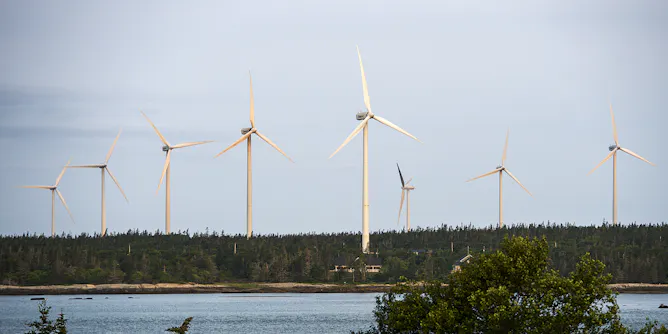
Aqueous redox flow batteries may be able to store and release renewable energy for decades.
Articles on Power grid
Displaying 21 - 40 of 108 articles
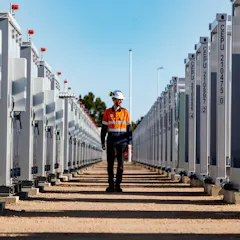
Everyone knows the sun doesn’t shine at night. That’s where firming technologies help, by stabilising the grid and storing cheap power for later

New research predicts when noisy systems are approaching precarious “critical points” – and finds that some parts of the brain prefer to work at the edge of instability
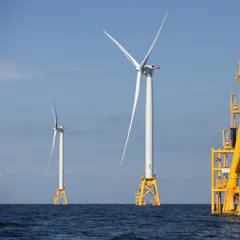
A big roadblock to offshore wind power is getting approval for onshore transmission lines. But what if there were fewer connection points, and power could flow both ways? Plans are underway.
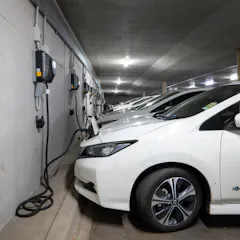
On the day of a blackout, a trial of vehicle-to-grid technology proved both the capacity of electric vehicles to support grid stability and the importance of exactly when vehicles are charged.
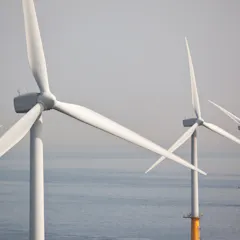
There’s no mention of nuclear in Australia’s latest energy transition roadmap – because our energy market operator can only model power sources legal in Australia.
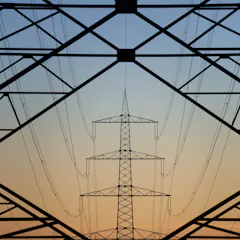
No, it’s not a problem that some renewable power doesn’t make it to the grid. Here’s why

Electricity networks in cities need the biggest overhaul – but the public can help.
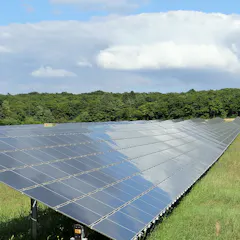
Taking advantage of Europe’s sovereign debt crisis, outside investors have acquired substantial stakes in what have long been regarded as “sovereign” assets that are critical for the EU’s energy strategy.
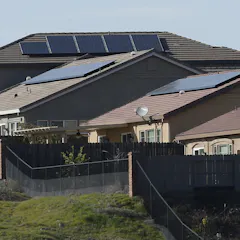
California is considering a controversial proposal for utilities to charge customers for electricity based partly on household income. Two scholars explain how this approach could benefit everyone.
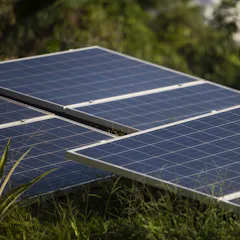
When the Moon blocks the Sun during an eclipse, utility suppliers have to pull power from the grid to make up for gaps in solar energy.
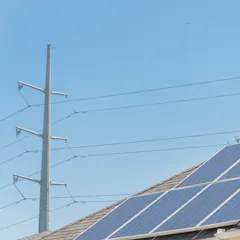
Big changes are needed to create a consumer-centric National Electricity Market that’s able to manage the rise of rooftop solar.
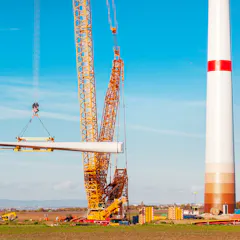
We’re getting faster at building renewables – but we’ll have to speed up even more to reach our 2030 target of 82% clean energy
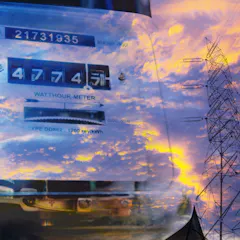
Rather than paying ageing power stations to stay open in the transition to renewable energy, demand flexibility is cheaper and cleaner way to ensure the system has enough capacity.
In some cases, adding a battery to your rooftop solar system will pay off. But to be sure of this, households need information about many factors – and there’s no single reliable place to find it.

One in 4 American households are at risk of losing power because of the high cost of energy. Over 30% of those disconnections are in summer, when heat gets dangerous.
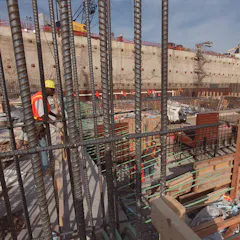
Do environmental reviews improve projects or delay them and drive up costs? Two legal scholars explain how the law works and how it could influence the ongoing transition to renewable energy.

The need to limit output to the grid costs solar panel owners up to $4.5 million a year in South Australia alone. A bill of rights and responsibilities can make connecting to the grid fairer for all.
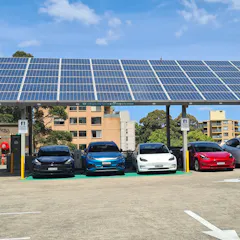
Australia’s transition to electric vehicles has been much slower than in many other developed nations. But the country is actually well placed to catch up fast.

A study of 230 electric vehicles found only 25% of charging happens during peak demand periods. Their patterns of use also mean spare battery capacity could be fed into the grid at these times.
Top contributors
-

Professor of Energy and Environmental Economics and International Affairs, Penn State
-
Senior Fellow in Energy and Climate Change, Grattan Institute
-
Senior Lecturer in Power Engineering, Edith Cowan University
-
Research Scientist, The University of Texas at Austin
-
Adjunct Professor of Electrical Engineering, Santa Clara University
-
Professor of Electrical and Computer Engineering, Iowa State University
-
Research Fellow, School of Humanities and Languages, UNSW
-
Senior Research Associate, Renewable Energy & Energy Systems Analyst, UNSW
-
Senior Research Fellow in Renewable Energy, Australian National University
-
Director, Boston University Institute for Sustainable Energy, and Professor of Practice, Questrom School of Business, Boston University
-
Research Fellow at the Institute for Sustainable Energy, Boston University
-
Senior Scientific Engineering Associate, Lawrence Berkeley National Laboratory
-
Professor in Engineering, Stellenbosch University
-
Professor of Technology Management, University of Pretoria
-
Graduate Student Researcher in Electricity Markets and Policy, Lawrence Berkeley National Laboratory