

A secret HIV research project carried out in the Central African Republic in the 1990s sheds light on how biomedical extractivism operates.
Articles on Postcolonial Africa
Displaying 1 - 20 of 32 articles
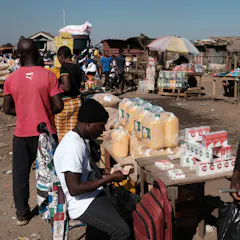
Economic crises since the 1990s led to a sharp rise in Zimbabwe’s informal economy, hence some call the country a nation of vendors.

African leaders’ announcement of military base closures signals a rejection of French policy and the country’s diminishing influence.

It’s important that this brutal chapter in South Africa’s past be commemorated in the right spirit, to reflect, take stock and to heal.
Fanon’s famous book was translated to isiZulu by South African writer and scholar Makhosazana Xaba.
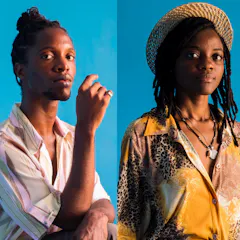
LGBTIQ+ life in Angola can be traced to before colonialism, though it has not been well documented. A recent project brings these stories to life.
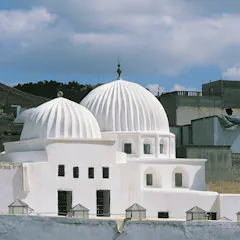
Tunisia has failed to capitalise on the heritage tourism potential of the ancient city and its natural surroundings.

Driven by social justice, he showed that all people are capable of both good and evil.
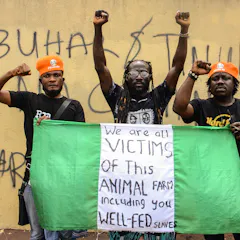
Colonialism set Nigeria up for failure as a united country. But successive governments since independence have a lot to answer for too.

Variations of English names reveal the enduring effects of British rule - but there’s also a return to tradition.
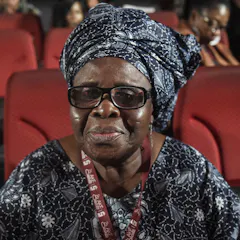
A commanding presence on the global literary stage, Ama Ata Aidoo was a powerful feminist voice with a prolific output.
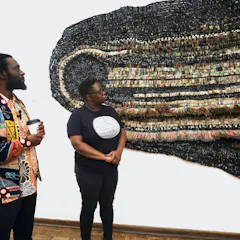
Using found materials from dump sites, the large scale works examine the residues of colonialism.

With over 200 publications to his name, his three most recent books give a sense of why he is so famous as a historian.
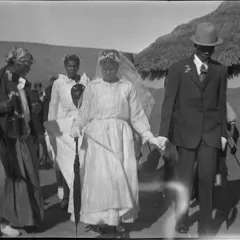
Before colonialism black South Africans viewed sex and morality very differently than today.
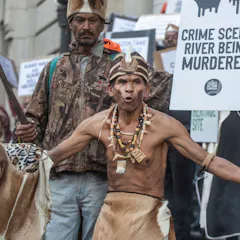
The British empire brought the practice of commons enclosure to Africa to claim land. Its effects continue today at sites like the Liesbeek River in Cape Town.

Online rage towards white communities and privileged classes can be read as fatigue with the postcolonial state.
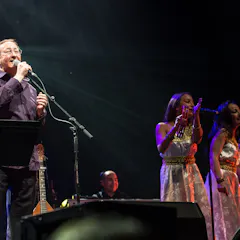
Idir’s songs gave Kabyles a sense that their culture counted: that their customs and traditions could form a part of a modern Algerian nation.

Where should we place Mugabe among the pantheon of African nationalists who led their countries to independence?
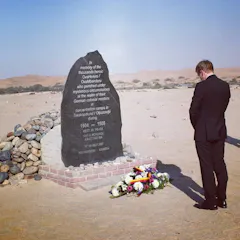
Germany praises itself for having declared a ‘special responsibility’ for Namibia since independence. But the relationship is viewed differently from Windhoek.
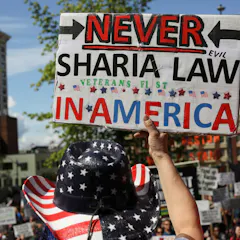
There is no inherent tension between Islam and democratic values. Like any use of religion in politics, the application of Sharia as law depends on who is using it – and why.
Top contributors
-

Lecturer: History; Humanities, University of Pretoria
-
Associate Professor Sport History, Stellenbosch University
-
SARCHI Ocean Cultures and Heritage, Nelson Mandela University
-
Professor in Language Education, member bua-lit collective, University of Cape Town
-
Postdoctoral fellow, SARChi Chair in Gender politics, Stellenbosch University
-
Lecturer, Political Science Department, University of Ghana
-
Research Fellow, International Studies Group, University of the Free State
-
Doctoral Candidate, Institute of Air & Space Law, McGill University
-
Emeritus Professor of African Linguistics, University of Leipzig
-
Senior Lecturer, Applied Language and Literacy Studies, University of Cape Town
-
Associate Professor in Applied Linguistics, Adelaide University
-
Digital Research Infrastructure Consultant, University of Cape Town
-
Policy, Research and Learning Lead, University of the Witwatersrand
-
Adjunct Research Fellow, Curtin University
-
Professor of Philosophy of Science, Durham University