

South Africa has tended to prioritise race relations over gender relations since formal apartheid ended.
Articles on Postcolonial Africa
Displaying 21 - 32 of 32 articles
Africa needs a new strategy for mother-tongue based bilingual education, from primary through to tertiary level.

Writing and rewriting black sporting history is a means of redressing exclusion.
A focus on collaboration among African universities and research institutions is crucial in developing national policies that meet the principles of open data while keeping it safe from exploitation.

Critical decolonisation means accepting risk of error. It means considering whether indigenous knowledge systems might contain truths that western science hasn’t accessed.
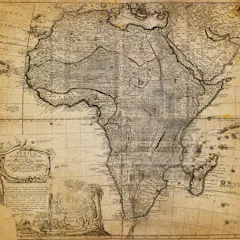
A global approach to African history complements the radical post-colonial histories, while also asserting the role of the continent in the world’s global pasts and present.

Ghana is very much the African rising star 60 years after independence with an exemplary record in health and education. But it’s struggling like many of its peers to meet social and economic targets.
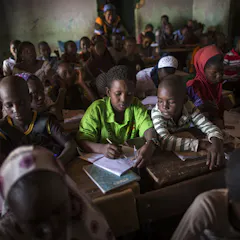
Over the years, our understanding of how language and learning are linked has shifted and changed. There is ample evidence about the value of mother-tongue-based multilingual education.

Tax systems in post-colonial Africa need to be reformed. For instance, there ought to be rebates for advancing moral good or educating future taxpayers.

A key argument in support of the jury system is that it is a valued form of citizen participation in democracies. But the system has led to human rights abuses in Ghana.

Schools and universities in post-colonial contexts still operate within the logic of coloniality. This is starkly illustrated by their language policies.
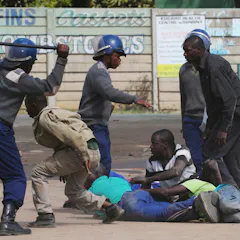
Zimbabwe has experienced another wave of discontent, manifesting in protests by its citizenry. This may well herald a change in the idea of citizenship in the country.
Top contributors
-

Lecturer: History; Humanities, University of Pretoria
-
Associate Professor Sport History, Stellenbosch University
-
SARCHI Ocean Cultures and Heritage, Nelson Mandela University
-
Professor in Language Education, member bua-lit collective, University of Cape Town
-
Postdoctoral fellow, SARChi Chair in Gender politics, Stellenbosch University
-
Lecturer, Political Science Department, University of Ghana
-
Research Fellow, International Studies Group, University of the Free State
-
Doctoral Candidate, Institute of Air & Space Law, McGill University
-
Emeritus Professor of African Linguistics, University of Leipzig
-
Senior Lecturer, Applied Language and Literacy Studies, University of Cape Town
-
Associate Professor in Applied Linguistics, Adelaide University
-
Digital Research Infrastructure Consultant, University of Cape Town
-
Policy, Research and Learning Lead, University of the Witwatersrand
-
Adjunct Research Fellow, Curtin University
-
Professor of Philosophy of Science, Durham University