
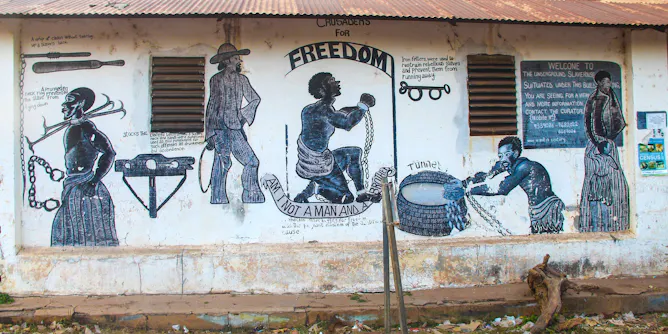
Recognising African agency in colonised territories allows us to rethink borders and revise history.
Articles on Colonial Africa
Displaying all articles
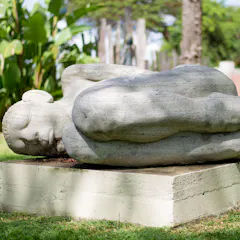
Zimbabwe is named after an ancient stone city and its stone sculpture is world famous.
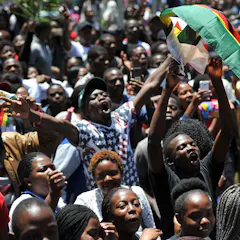
Zimbabwe’s graduates feel let down because the modernist promises of education have failed them.
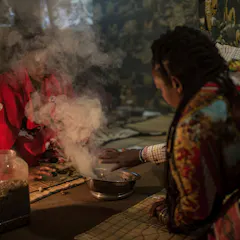
Korekore people in the Rushinga district have not wavered in their beliefs about and ways of healing mental illnesses.

The southern African wildlife economy is socially and environmentally unsustainable.
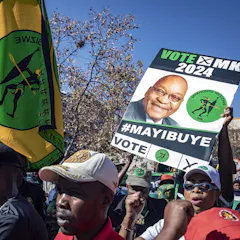
Former president Jacob Zuma’s MK Party borrows the slogan “mayibuye” from the liberation party to make a point about the ruling African National Congress.

Eugen Sandow’s visit to South Africa in 1904 was a triumph of colonial display and racism. Despite its prejudices it influenced the development of bodybuilding in South Africa.
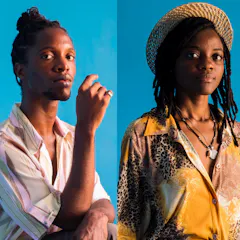
LGBTIQ+ life in Angola can be traced to before colonialism, though it has not been well documented. A recent project brings these stories to life.

Tunisia has failed to capitalise on the heritage tourism potential of the ancient city and its natural surroundings.
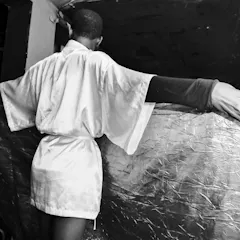
From the 1950s to the early 1970s the carnival was a place for queer expression and attracted performers from as far away as Brazil.

With over 200 publications to his name, his three most recent books give a sense of why he is so famous as a historian.
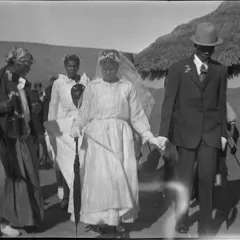
Before colonialism black South Africans viewed sex and morality very differently than today.

Art stolen from African kingdoms is a knowledge system plundered by colonialists, who must take historical responsibility.

The role played by guerrilla radio in the liberation struggle will not be lost to history, thanks to books like this.

Runaway slaves joined indigenous Khoe-San people and raided colonial farms. The rock art they left in their hideouts tells a fascinating story.

Opium played a fascinating role in southern African colonial politics, conflict and social change - from the poppy fields of Mozambique to the early days of Johannesburg city.

Women of color in public office often face great scrutiny and hostility. New research shows how France’s first black female senators used their experience fighting Nazis to pass landmark legislation.
Top contributors
-

Research Associate, Wits Centre for Diversity Studies
-
Professor of History, University of Johannesburg
-
Associate professor, Wageningen University
-
Assistant Professor of French and Francophone Studies, University of Michigan
-
Lecturer at the National School of Architecture and Urbanism, Université de Carthage
-
Associate Professor, Faculty of Humanities, Johannesburg Institute for Advanced Study, University of Johannesburg
-
Professor of Geography, Environmental Management and Energy Studies, University of Johannesburg; Research Associate, Stellenbosch University; Professor of Sociology of Development and Change, Wageningen University
-
Associate Lecturer at the National School of Architecture and Urbanism, Université de Carthage
-
Academic Fellow & Lecturer in Architecture and Cultural Heritage, Nottingham Trent University
-
Professor of History, University of Johannesburg
-
Senior Lecturer in Media Studies, University of Cape Town
-
Lecturer in the Sociology of Development and Change Group, Wageningen University, Wageningen University
-
Senior Research Fellow, Institute for Humanities in Africa, University of Cape Town
-
Senior Researcher, University of the Witwatersrand
-
Professor of Literature, University of Pretoria