
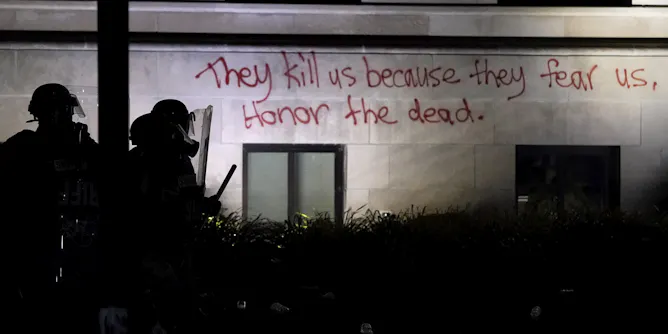
Other agencies or officials can do much of what police do now. So let’s disband police forces and replace them with local community organizations.
Articles on Police brutality
Displaying 81 - 100 of 135 articles
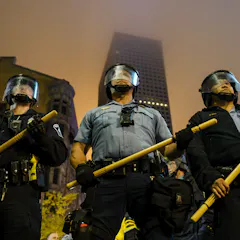
George Floyd’s death has thrust police unions into the spotlight amid a growing recognition that they are not part of the U.S. labor movement but a narrow interest group pursuing their self-interests.
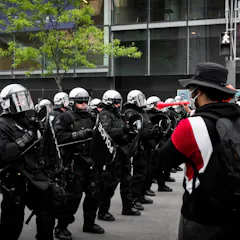
Around the world, policing — as an institution — is being challenged. But calls to defund the police will fall short if they do not address the history of policing.

Thanks to some serendipity and fortuitous timing, the images emerging out of Selma had a uniquely powerful effect on the nation.
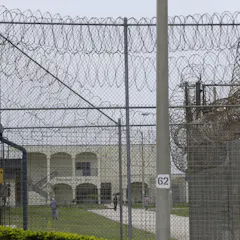
Violence in the criminal-justice system isn’t limited to police. It’s time to pay more attention to violent deaths within state prisons.
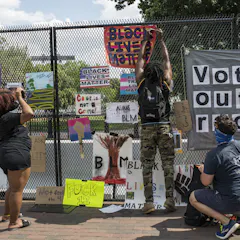
A political scientist says the protests against police violence that have swept the US signal welcome social change – and could dramatically alter the work she’s done for five years.
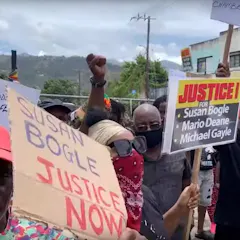
The killing of George Floyd has sparked debates in Jamaica about police brutality – and class and colour.
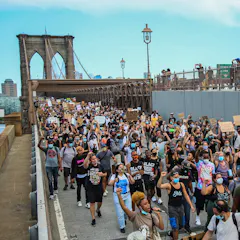
Unrest in the US looks familiar to Latin Americans, who are accustomed to resisting undemocratic governments – and to their protest movements being met with violent suppression.
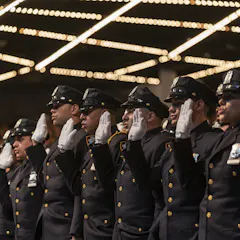
When it comes to making law enforcement professionals less likely to resort to use of force, higher education goes a long way, research shows.

To use body cameras effectively, police need to be guided by law, not policy.
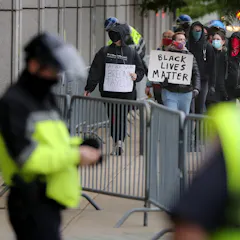
Across the United States, police are shielded from both public and departmental accountability by multiple layers of contractual and legislative protections.

Young men make up the majority of black people killed by police in the US. That’s fed a perception that black women are somehow shielded from the threat of police violence. They aren’t.
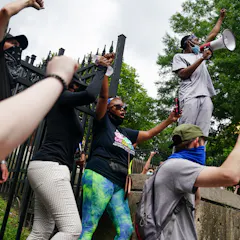
As protests over George Floyd’s death consume the country, students are forcing a reappraisal of a controversial editor and orator who helped build modern Atlanta.
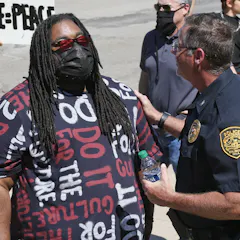
Higher education can help empower students to take an active role in public safety. Here are several ways to do it.
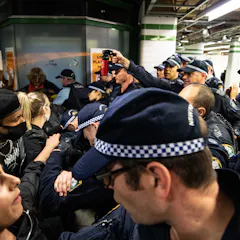
Pepper spray uses a chemical called capsaicin. It’s the same compound that makes chillies hot, but in a more intense, weaponised form.
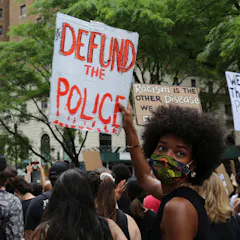
Research on excessive use of force by police and the sociological context and psychological characteristics of killer cops point to useful policy measures.
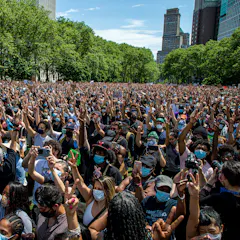
Our experts look at why people of colour are being hit harder by COVID-19, New Zealand’s success in eliminating the virus, and the latest on drug trials.
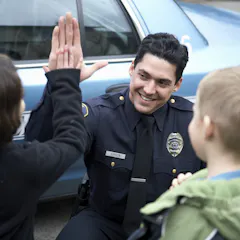
Some school districts are starting to remove police. A team of researchers explains why that could be a welcome trend.
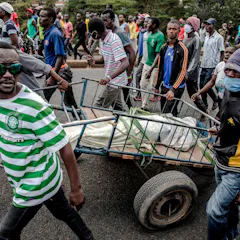
The level of accountability within police agencies in Kenya is very low. They operate with impunity, because they know they will get away with it.
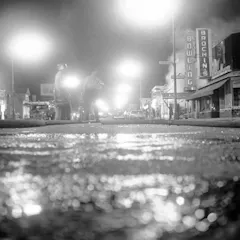
After a riot broke out in 1967, Minneapolis officials squandered an opportunity to address the structural racism that led to George Floyd’s death and a wave of unrest across the country.
Top contributors
-

Professor, Obafemi Awolowo University
-
Professor, Sociology, University of Alberta
-
Assistant Professor in Media Studies, University of Colorado Boulder
-
Lecturer in criminology, Edinburgh Napier University
-
Professor of Teaching, Wayne State University
-
Principal Policy Analyst, Governance Department, The Kenya Institute for Public Policy Research and Analysis (KIPPRA)
-
Post Doctorate Researcher under the DANIDA funded project on security, sustainable growth and peace in Uganda., University of Copenhagen
-
Professor of Criminal Justice, University of Winnipeg
-
Associate Professor, Organizational Behaviour, Athabasca University
-
Assistant Professor, Augusta University
-
Assistant Professor of Justice Studies and Sociology, Norwich University
-
Assistant Professor of Criminal Justice and Criminology, Georgia State University
-
Professor of Journalism, Michigan State University
-
Assistant Professor of Criminology and Criminal Justice, University of South Carolina
-
Associate Professor at the School of Social Transformation, Arizona State University