
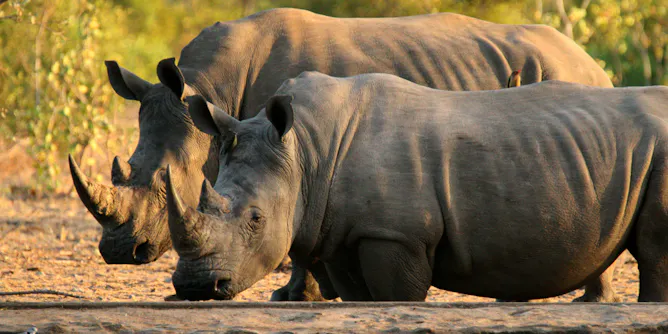
Poaching is changing focus by moving from the Kruger National Park to other provinces and reserves.
Articles on Poaching
Displaying 61 - 80 of 101 articles
Wildlife conservation is often part of the peacebuilding process, but there is a risk it can make conflicts even worse.

Poachers are bringing some turtle populations to the edge of extinction.
New Zealand’s fisheries are considered among the best managed in the world, but this perception doesn’t match the facts.
Military style anti-poaching is often criticised because it alienates communities living around protected areas. But these initiatives give them an incentive to protect the species.
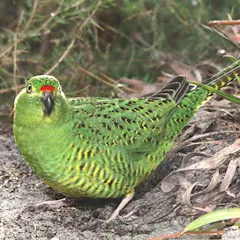
With the right approach to data security, scientists’ discoveries of the locations of rare and sought-after species needn’t leave a trail for poachers to follow.
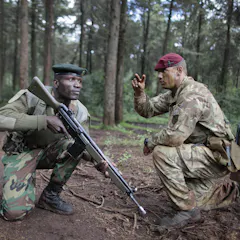
Protecting rhinos and fighting terrorism are both noble causes, but there isn’t much evidence of a link between the two.
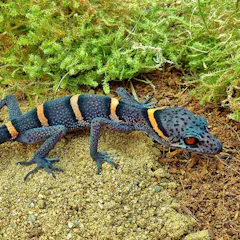
Biologists have a centuries-old tradition of publishing on rare and endangered species. But poachers are using open-access information to target valuable and fragile new species.
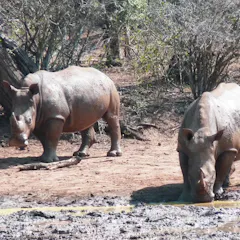
South Africa’s KwaZulu-Natal province is bearing the brunt of renewed rhino poaching efforts. This is a result of increased security and anti-poaching in the Kruger National Park.
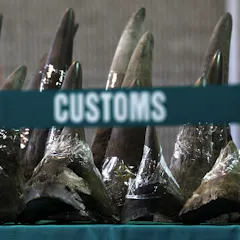
Rhino horn trade continues to be a highly lucrative business across the world.
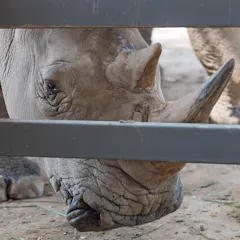
Organised crime always looks for new ways to make money. And zoo animals are an easy target.
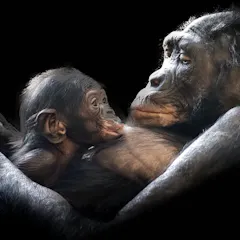
Primate populations are declining around the world. The great apes are in danger of disappearing, and that bears a great risk for humanity itself.

China has decided to end all domestic trade in ivory, an act that could help elephant numbers all over Africa.

Prized species such as sea cucumbers are increasingly being poached from Australian waters. But if foreign aid can give fishing crews alternative livelihoods, the problem could ease.
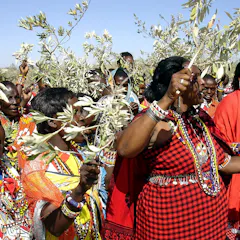
In the absence of trading ivory, other solutions have to be found to fund conservation and support communities living on the front line of the battle against poaching.
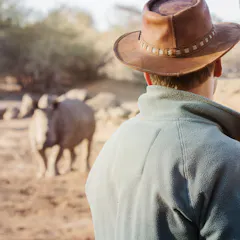
Military responses to combat poaching are a problem. They marginalise communities where poachers come from and can have longer term implications.
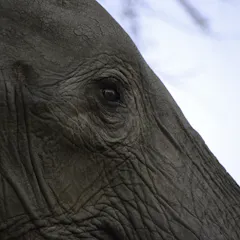
The focus of CITES is not solely on the protection of species. It also promotes controlled trade that is not detrimental to the sustainability of wild species.
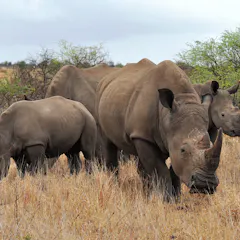
Initiatives to curb rhino poaching in the Kruger National Park has shown improvement compared to last year. But poaching in other parks has increased.
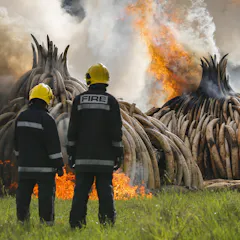
There are many similarities between wildlife poaching and the cultivation of drug plants like the coca bush or the opium poppy.
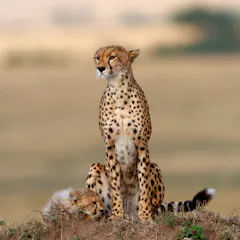
60% of the world’s largest carnivores and herbivores are classified as being threatened with extinction
Top contributors
-

Lecturer in the School of Applied Sciences, Edinburgh Napier University
-
Research Associate, Department of International Relations, University of the Witwatersrand; Chief Research Officer, Good Governance Africa; Managing Director, Harvey Economics Pty Ltd.
-
Visiting Professor, University of Kent
-
Professor of Conservation and Applied Resource Economics, University of Kent
-
Professor of International Politics, University of Sheffield
-
Professor and Chair, Southwestern Environmental Science and Policy, Northern Arizona University
-
Professor, Forest Resources Management, University of Ilorin
-
Postdoctoral Researcher in Conservation Biology, University of Reading
-
Postdoctoral research fellow, Northumbria University, Newcastle
-
Environmental Social Scientist, Newcastle University
-
Postdoctoral Research Fellow, University of Cape Town
-
Vétérinaire, expert CITES, Muséum national d’histoire naturelle (MNHN)
-
Director, Environment Institute, Adelaide University
-
Lecturer, Course Convenor and Postdoctoral Researcher, University of Cape Town
-
Professor of human resource development, University of Auckland, Waipapa Taumata Rau