
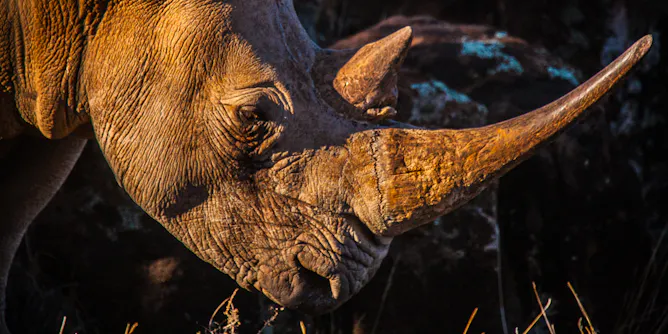
Exporting rhino horn could generate funds for conservation – but also lead to more poaching.
Articles on Rhino horns
Displaying 1 - 20 of 23 articles

A new report shows rhino numbers are now stable – but still only a fraction of what they once were.
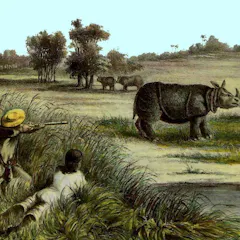
Poaching may have killed more than a third of the world’s Javan rhino in five years.
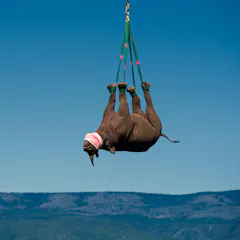
Helicoptering heavy herbivores across Africa is no laughing matter.
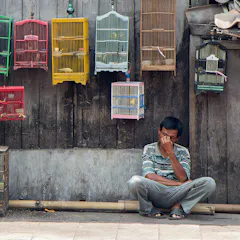
By understanding what drives people to buy wild species, we can figure out how best to stop them.
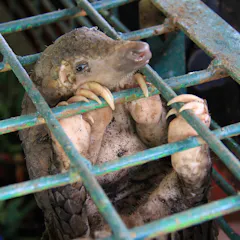
Promote new habits, find out why people engage with the wildlife trade and don’t make it seem more widespread than it really is.
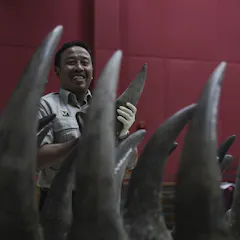
Our findings suggest that the demand for rhino horn is unlikely to fall because people’s beliefs are firmly entrenched.
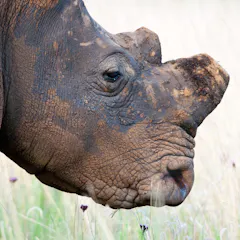
Saving the rhino means tackling demand for its horn.
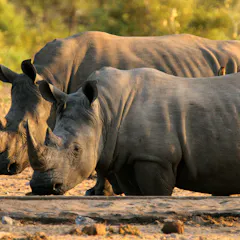
Poaching is changing focus by moving from the Kruger National Park to other provinces and reserves.
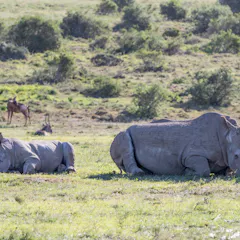
Policymakers need to proceed with caution when it comes to legalising rhino horn as it could be a high risk strategy.
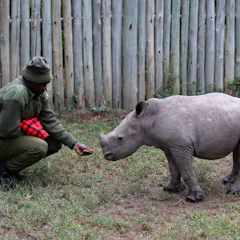
Local and indigenous communities remain mostly excluded from real benefits, and conservation often comes at a huge cost to them.
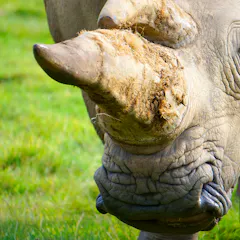
The first online rhino auction in South Africa wasn’t a success. This has done very little to help rhinos. It may, in fact, encourage more poaching as demand has not slowed down.

The rhino horn auction in South Africa is a serious setback in the fight against poaching and the survival of wild rhinos. The chances of the horns remaining in the country are next to zero.
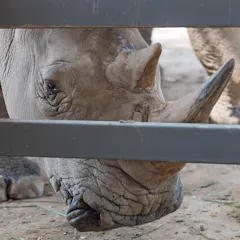
Organised crime always looks for new ways to make money. And zoo animals are an easy target.
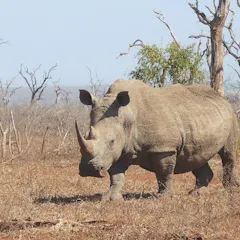
Swaziland hoped to be allowed to legally trade rhino horns but the idea was rejected by vote at the CITES conference.
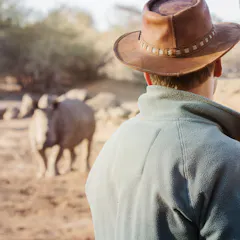
Military responses to combat poaching are a problem. They marginalise communities where poachers come from and can have longer term implications.
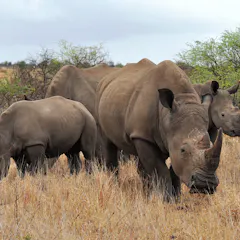
Initiatives to curb rhino poaching in the Kruger National Park has shown improvement compared to last year. But poaching in other parks has increased.
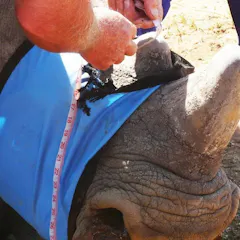
A few national parks and reserves want to dehorn rhinos and there is a lobby for a regulated and closely monitored legal trade in rhino horn. But this is met by opposition from many.
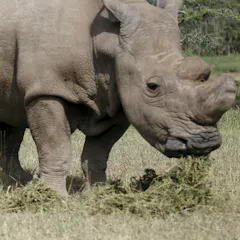
Their flimsy chances rely on the eggs and sperm from the remaining three elderly animals, combined with frozen DNA from dead rhino.
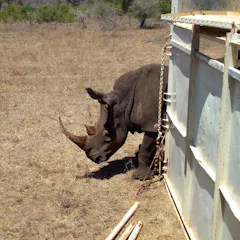
Conservationists are increasingly looking to translocating rhinos. This not only ensures their safety but also enables improvements to their genetic health.
Top contributors
-

Lecturer in the School of Applied Sciences, Edinburgh Napier University
-
Visiting Professor, University of Kent
-
Research Fellow in Conservation Marketing, University of Oxford
-
Postdoctoral Scholar in Fisheries and Wildlife, University of Stirling
-
Professor of Political Economy, University of the Witwatersrand
-
Associate Professor, University of Copenhagen
-
Lecturer in Regional Environmental Law, North-West University
-
Associate Professor of Geography, York University, Canada
-
Extraordinary lecturer at the Centre for Wildlife Management, University of Pretoria
-
Chief research officer: Global Risk Governance Programme, Public Law Department, Faculty of Law, University of Cape Town
-
Director, Durrell Institute of Conservation and Ecology, University of Kent
-
Senior Research Fellow, Oxford Martin Programme on the Wildlife Trade, University of Oxford
-
Professor of Criminology, Northumbria University, Newcastle
-
PhD Fellow, University of Copenhagen
-
Research Associate, Department of International Relations, University of the Witwatersrand; Chief Research Officer, Good Governance Africa; Managing Director, Harvey Economics Pty Ltd.