
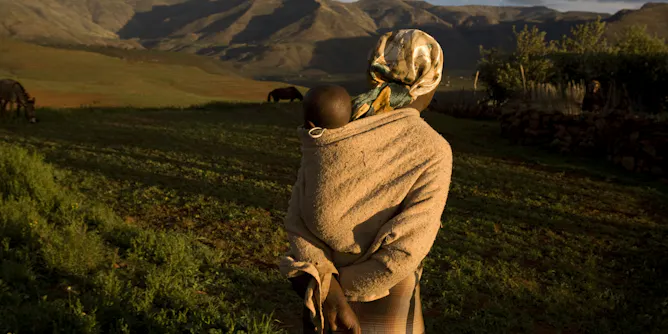
The individual stories of migrant women are essential in understanding if HIV healthcare strategies and programmes are working.
Articles on PMTCT
Displaying all articles

It is urgent and overdue to implement PrEP in pregnancy and during breastfeeding. Failure to do so allows ongoing avoidable HIV infection among women in South Africa and their infants.

Adolescent girls and young women aged 15 to 24 accounted for 25% of new infections, while making up only 10% of the population.
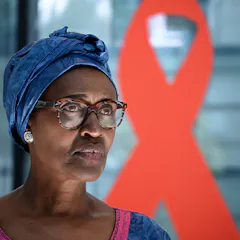
Greater urgency is needed in the response to pandemics, to end AIDS and to end COVID-19.
Not achieving the targets for children and adolescents in sub-Saharan Africa means that new infections will continue to increase and HIV related mortality will be a reality for decades to come.
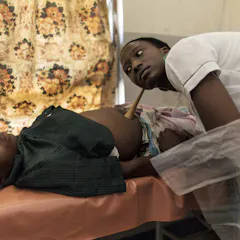
Male involvement in prevention of mother-to-child transmission of HIV is key for the uptake of services and retention in care. When men are involved, HIV exposed or infected children do better.
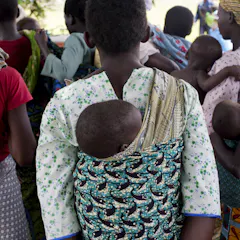
The use of antiretroviral therapy among pregnant and breastfeeding women in Zambia has increased but adherence is a problem.
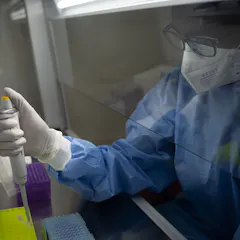
Pooled testing, or group testing, has been used to diagnose relatively rare conditions, such as infection in blood donors. It could be used for universal early infant diagnosis and viral load testing.

South Africa has set ambitious targets to eliminate mother to child transmission of HIV completely. It will require innovative strategies and continuous quality improvement to achieve them.
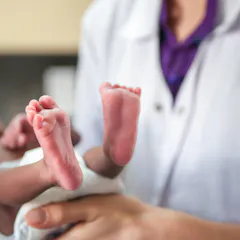
HIV negative children born to women with HIV have a greater risk of dying before their first birthday.
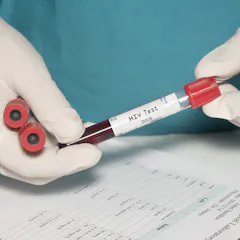
A liver transplant from an HIV-positive living donor to an HIV-negative recipient is possible, but there are still gaps in our knowledge.

The first global comparison of adolescents that acquired HIV as newborns highlights the challenges around treatment.

The placenta could hold the answers to why HIV positive women report higher rates of premature deliveries.
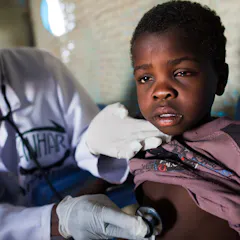
Precision public health has the potential to transform the global health sphere by ensuring that the right interventions are brought to the right people in the right places.

South Africa’s programmes preventing HIV transmission from mothers to children have been hugely successful. But there are still gaps that need to be filled.
Top contributors
-

Associate Professor and Director of the Centre for Infectious Diseases Epidemiology and Research, University of Cape Town
-
Senior lecturer in Paediatrics and Child Health, Stellenbosch University
-
Professor of medicine and deputy director of the Desmond Tutu HIV Centre at the Institute of Infectious Disease and Molecular Medicine, University of Cape Town
-
Oncologist, Chief executive officer of the Bill and Melinda Gates Foundation and Professor, University of California, San Francisco
-
Assistant Professor, Harvard University
-
Behavioural Scientist, Human Sciences Research Council
-
Professor of Epidemiology and Public Health, University of Malawi
-
Honorary Senior Lecturer in the Department of Biostatistics and Epidemiology, University of Cape Town
-
Director: Child & Adolescent Health at the Wits Reproductive Health and HIV Institute, University of the Witwatersrand
-
Lecturer in Health Systems and Policy, University of Malawi
-
Researcher, Centre for Maternal, Fetal, Newborn and Child Health Care Strategies, University of Pretoria
-
Communications Specialist, University of California, San Francisco
-
Doctoral Researcher, School of Public Health and Public Health Technical Advisor, Anova Health Institute, University of the Witwatersrand
-
Assistant Professor, Family Health Care Nursing, University of California, San Francisco
-
Pathologist / Consultant Virologist, Stellenbosch University