
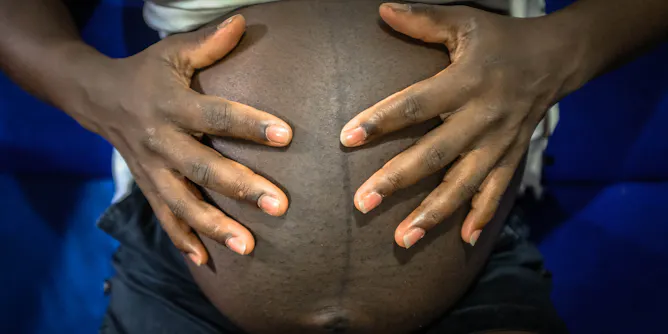
Preventing unintended pregnancies among women living with HIV is a critical strategy for the prevention of mother-to-child HIV transmission.
Articles on PLHIV
Displaying all articles

By integrating HIV care with non-communicable disease prevention and care, healthcare systems can help people living with HIV remain healthy.

Ageing with HIV is now a global public health reality, especially in sub-Saharan Africa, and the response must evolve to reflect that.

Adolescents with HIV are at risk of mental health issues. Here are some recommendations to help reduce that risk.
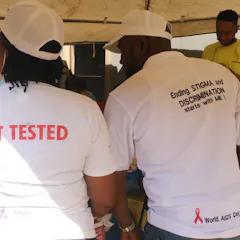
When people living with HIV in Nigeria receive support from close friends, they are less likely to experience stigma and associated poor health outcomes.
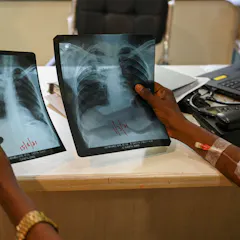
To understand the perceptions of TB patients about their quality of life, it’s useful to have a comparison with “apparently healthy” people.
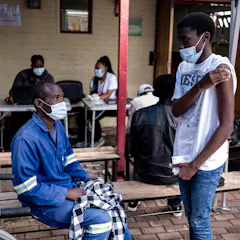
South Africa is still likely to experience periods of increased cases, smaller-scale outbreaks and even the development of new variants.

The key actions needed to end AIDS are relatively clear. The question is whether every government, funder, and implementing organisations will apply them.

Health workers promote exclusive breastfeeding to HIV positive mothers more than they do to mothers who are negative.

Teenagers with HIV in childcare facilities have to deal with the challenges of adolescence
while living with the disease.

Stigma stops people from getting tested for HIV, and staying on their treatment. Unless it’s addressed, the AIDS epidemic will persist.
Top contributors
-

Assistant Professor of Public Health, University of Iowa
-
Ph.D. Candidate in Community and Behavioral Health, University of Iowa
-
Senior Lecturer, University of the Witwatersrand
-
Professor of medicine and deputy director of the Desmond Tutu HIV Centre at the Institute of Infectious Disease and Molecular Medicine, University of Cape Town
-
Researcher, University of the Witwatersrand
-
Adjunct Professor: Department Internal Medicine, University of Pretoria
-
Specialist physician, Internal Medicine and Tropical Medicine., Ludwig Maximilian University of Munich
-
Honorary Research Associate, Centre for Infectious Disease Epidemiology and Research, University of Cape Town
-
Head of International Programs, African Population and Health Research Centre, APHRC, Nairobi, Kenya., University of Johannesburg
-
Researcher, University of Johannesburg
-
Global Health & Women's Health Researcher and FemTech Advisor, Ludwig Maximilian University of Munich
-
Senior Research Fellow, public health, Torrens University Australia
-
PhD Candidate, University of Southern Queensland, Australia
-
Professor of Public Health, Torrens University Australia
-
Visiting Researcher at Sydney Brenner Institute for Molecular Bioscience, University of the Witwatersrand