
What are the visions that reflect the diverse values that nature holds for people?
Articles on Plastic waste
Displaying 81 - 100 of 123 articles
As much as 53 million tonnes of plastic waste could spill into the world’s rivers, lakes and oceans by 2030 — even if countries meet their commitments.
We investigated plastic recycling in the UK and uncovered startling inconsistencies.

A new study reports that baby Florida sea turtles are consuming large quantities of plastic waste during a critical early life stage at sea.
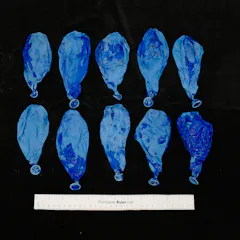
Since 1989, the balloon industry has relied on a problematic study that claimed balloons degraded “at about the same rate as oak tree leaves” after six weeks. We put it to the test.
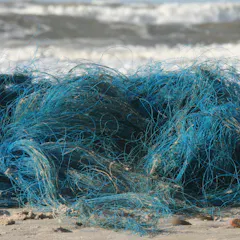
An enormous amount of fishing gear is cut loose in the ocean each year. The losses cut into fishers’ profits and kill marine wildlife. A new project aims to get ghost gear out of the ocean.
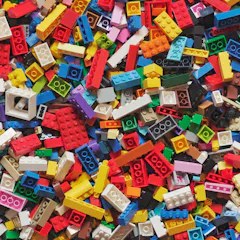
Plastics are strong, durable, waterproof, lightweight, easy to mould, and recyclable – all key properties for construction materials.

Pandemic precautions have given new life to disposable plastic products, which the industry claims are more ‘hygienic’ than reusables. But critics say there’s no scientific evidence this is so.
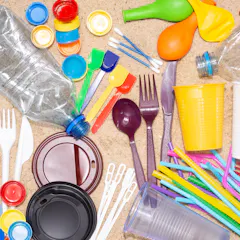
Just because we’re in a period of change, doesn’t mean we have to lose momentum.

The COVID-019 pandemic has boosted use of disposable packaging and personal protective equipment, at the same time that many recycling programs are facing budget cuts. The upshot: More plastic trash.
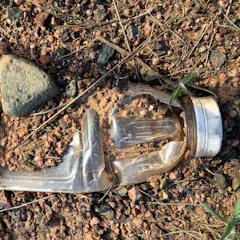
A media study of public criticism of plastic reveals that stigmatisation may result in limited bans, it leaves the vast majority of plastic production and pollution unexplored.
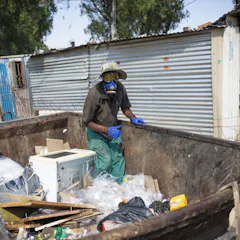
The clock is ticking: in the absence of government support, not being able to work means waste reclaimers don’t have money to buy food.
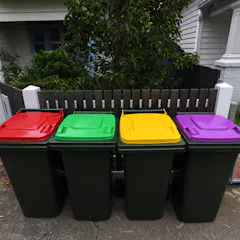
By 2030, no matter where Victorians live or visit, they’ll have a consistent kerbside bin system.
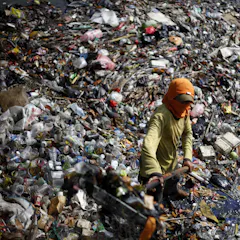
The study also finds the weight of plastic waste from all rivers in Jakarta totals 2.1 million kilograms equivalent to 1,000 Tesla Model S cars.
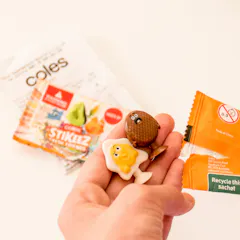
Stikeez, the latest collection of plastic collectables from Coles, flies in the face of the company’s plan to become Australia’s most sustainable supermarket.
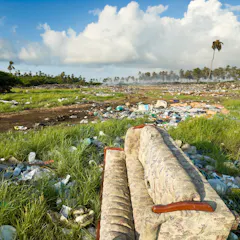
To manage plastic wastes, nations first need to know what they have and where it’s coming from. A case study from Trinidad and Tobago shows how this approach can help identify solutions.
2019 was a big year for dire warnings about the state of the planet, but crises can spur solutions.
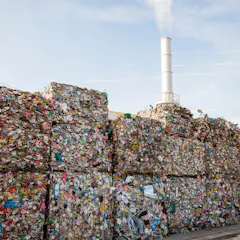
Burning non-recyclable waste to generate energy sounds like a great idea – but incineration plants need an ongoing waste stream to be viable, which perpetuates the make-use-dispose mentality.
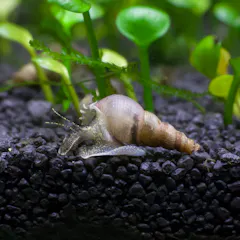
Research has found plastic in snails in Nigerian rivers – another sign that the country needs to manage its waste better.
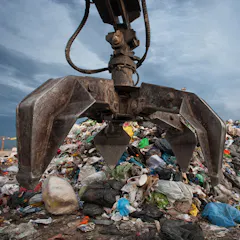
Waste-to-energy incineration has been raised as a solution to the global plastic waste problem, but the technology adds pollution and greenhouse gas emissions and encourages more waste production.
Top contributors
-

Professor of Global Environmental Politics, University of California, Berkeley
-
Senior Principal Research Scientist, Environment, CSIRO
-
Research Chair, Indigenous Approaches to Environmental Management, Keele University
-
Senior Principal Research Scientist, CSIRO
-
PhD Candidate in Environmental Science, Policy, and Management, University of California, Berkeley
-
Professor of Ocean Policy and Economy, University of Portsmouth
-
Professor, Obafemi Awolowo University
-
Professor, School for Resource and Environmental Studies, Dalhousie University
-
Associate Professor in Arts and Sustainability, University of Portsmouth
-
Digital and Communications Manager
-
Associate professor, University of Portsmouth
-
Associate Professor and Research Director, Institute for Sustainable Futures, University of Technology Sydney
-
Research Principal, Institute for Sustainable Futures, University of Technology Sydney
-
Research Fellow at BehaviourWorks Australia, Monash Sustainable Development Institute, Monash University
-
Research Scientist, Stanford University