
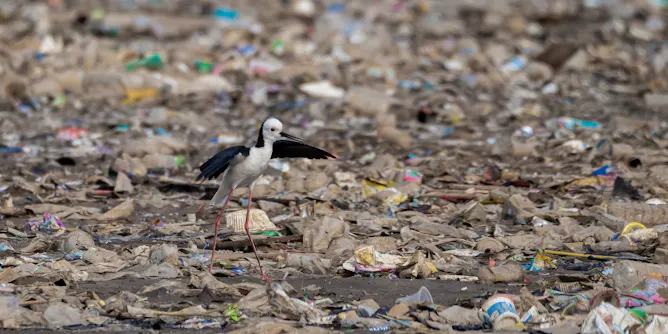
Plastic pollution in the world’s ecosystems could cost more than $280 trillion in environmental damage. That’s at least $120 trillion higher than the cost of reducing plastic production and pollution.
Articles on Plastic waste
Displaying 21 - 40 of 123 articles
Are you considering buying fewer plastic bottles in the future? Maybe not, but now that the question has been asked, you’re bound to think about it.
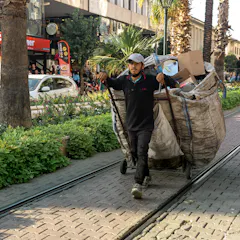
Waste management reforms in Turkey are excluding the country’s informal litter pickers from the sector.

A proposed chemical recycling plant in western Michigan may provide a handful of jobs but little environmental benefit.
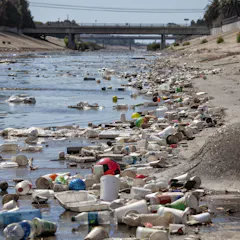
Better measuring standards, more responsibility for producers and an end to single-use products are all positive steps. But the US has not yet endorsed a cap on plastic production.

The growing environmental and health risks posed by microplastics can only be addressed by reducing the amount of plastic produced and ensuring that all of it is recycled.

Millions of people are being urged to take part in Plastic Free July. Yet we know consumer choice is only one part of the picture. Eliminating plastic waste requires broader structural change.
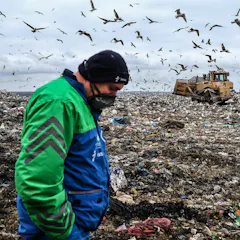
But how the world will get to zero pollution is still uncertain – and production caps are untested.
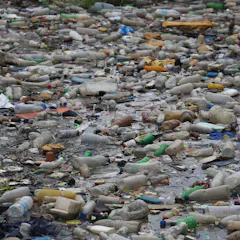
The more plastic, the more waste we produce. It sounds simple, but this discovery could help us find ways of ending plastic pollution.

Retail stores in Boulder, Colo., banned plastic bags and will charge 10 cents for paper bags in an effort to reduce plastic waste. But do bans and taxes like this really work?
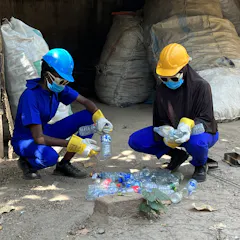
Banning single-use plastics in Nigeria is a step in the right direction. But its success will depend on provisions made for enforcement.
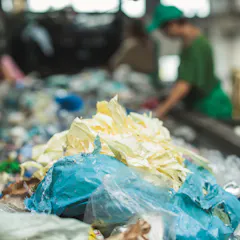
United Nations efforts to advance a global treaty on plastic pollution echo past multilateral agreements that tackled ozone layer depletion and acid rain.

Halloween is a sustainability nightmare – but it doesn’t have to be.
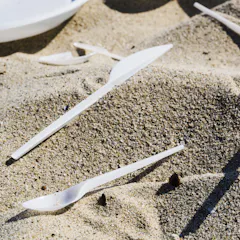
The new ban will raise awareness about the plastic crisis. But failing to provide viable alternatives may simply displace the problem, instead of addressing it

Canada is seen as leading the way in banning single-use plastics. But how comprehensive are these actions, and how realistic is the dream of a zero-waste future?

New research shows that Americans may have absorbed public messaging about the importance of recycling too well.
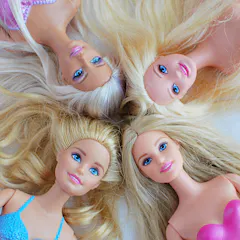
Toys are the most plastic-intensive consumer goods in the world. So how can we avoid movie tie-in fads adding to the surging plastic waste problem?

Some of the world’s most threatened birds are exposed to plastic pollution – even far out to sea.
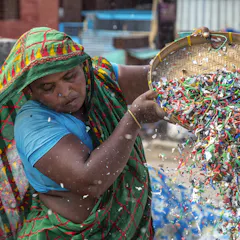
Making less plastic and reusing what exists should be the priority.

How to be more a more eco-friendly parent – it’s not as simple as ditching disposable nappies.
Top contributors
-

Professor of Global Environmental Politics, University of California, Berkeley
-
Senior Principal Research Scientist, Environment, CSIRO
-
Research Chair, Indigenous Approaches to Environmental Management, Keele University
-
Senior Principal Research Scientist, CSIRO
-
PhD Candidate in Environmental Science, Policy, and Management, University of California, Berkeley
-
Professor of Ocean Policy and Economy, University of Portsmouth
-
Professor, Obafemi Awolowo University
-
Professor, School for Resource and Environmental Studies, Dalhousie University
-
Associate Professor in Arts and Sustainability, University of Portsmouth
-
Digital and Communications Manager
-
Associate professor, University of Portsmouth
-
Associate Professor and Research Director, Institute for Sustainable Futures, University of Technology Sydney
-
Research Principal, Institute for Sustainable Futures, University of Technology Sydney
-
Research Fellow at BehaviourWorks Australia, Monash Sustainable Development Institute, Monash University
-
Research Scientist, Stanford University