
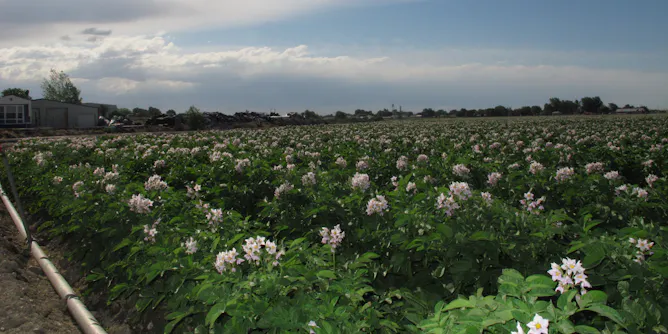
What if plants in the area surrounding a nuclear reactor could act as radiation detectors, with the help of a drone?
Articles on Plants
Displaying 121 - 140 of 434 articles
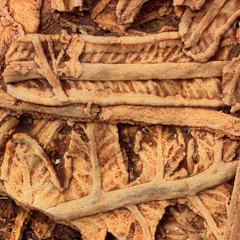
Millions of years ago, widespread volcano eruptions in eastern Australia buried entire forests. Today, these time capsules reveal stunningly fossilised plants.

Phosphorus and nitrogen contribute to water pollution and cause harmful algal blooms. New research shows how mats of floating flower beds can take advantage of these nutrients while cleaning the water.

Hidden Peat, a new campaign from The Wildlife Trusts, encourages people to look out for peat-free alternatives and support their wider use.

Students are invited to imagine how the social, political and legal landscape for cannabis will look in the future.

Green plants produce a specific gas when under attack to both directly ward off herbivores and pathogens and indirectly lure in herbivore predators.

A recently discovered palm tree has an unusual survival strategy - it flowers and fruits beneath the ground

Plants aren’t always as good at photosynthesis as you might think. Our research project wants to help them.

Puddles are an often-ignored but crucial habitat for rare and unusual wildlife.
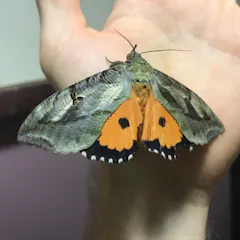
An ecologist, a mathematician and a taxonomist were locked down together in a suburban house. So they counted all the species of plants and animals they could find.
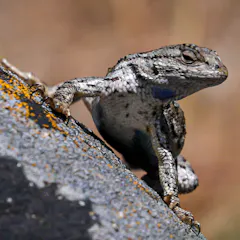
From dark dragonflies becoming paler to plants flowering earlier, some species are slowly evolving with the climate. Evolutionary biologists explain why few will evolve fast enough.
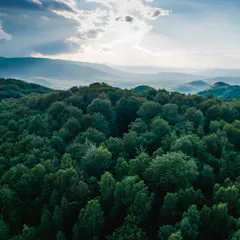
Climate modelling that best accounts for the processes that sustain plant life predicts plants could absorb up to 20% more CO₂ than the simplest version predicted.
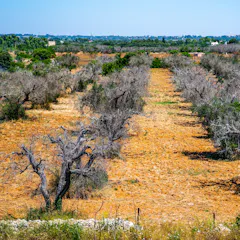
The meadow spittlebug can transmit a deadly bacterium – many plants in Britain could be at risk.
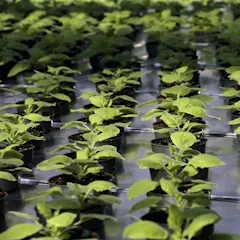
A research accident in the Binder lab at the University of Tennessee led to an unprecedented discovery about how plants respond to a hormone called ethylene.
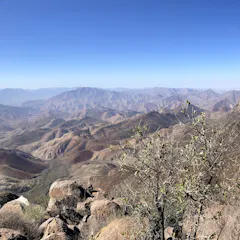
Mountain flora in the Kaokoveld deserve priority conservation efforts.
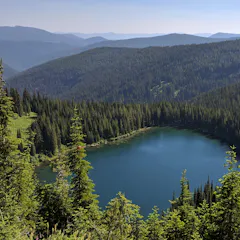
As the climate warms, devastating fires are increasingly likely. The 2020 fires pushed the Southern Rockies beyond the historical average. Is there hope for the Northern Rockies?

Recent study investigated how fast genes are being transferred between distantly related species.
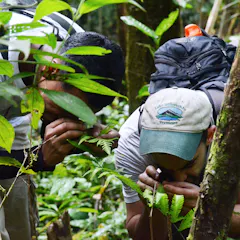
Botanizing is the practice of observing and appreciating plant life. Two plant scientists explain how it benefits people and the planet.
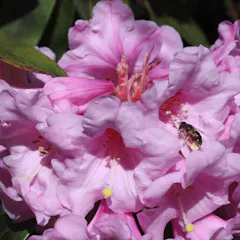
Some rhododendron fossils are 60 million years old, showing they were around before the Himalayas were formed.
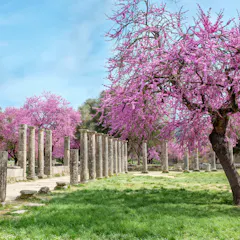
Stories in Greek mythology on the cycle of nature showing youth, death and rejuvenation can have lessons for us today on how grief changes over time and transforms who we are as people.
Top contributors
-

Senior Research Associate, School of Agriculture, Food and Ecosystem Sciences, The University of Melbourne
-
Emeritus Fellow in Plant Biochemistry, University of Westminster
-
Chief Research Scientist, CSIRO Environment; Executive Director, Global Carbon Project, CSIRO
-
Associate Head of Research and Knowledge Exchange - Reader in Plant Science, Edge Hill University
-
Assistant Professor of Plant Evolutionary Biology, University of Tennessee
-
Glasstone Research Fellow, Plant Science, University of Oxford
-
Research Scientist in Biodiversity and Human Health, Edith Cowan University
-
Associate Professor in Entomology, University of Sydney
-
Lecturer and Researcher in Plant Humanities, UNSW
-
Plant Evolutionary Biologist, University of Edinburgh
-
Lecturer in Evolutionary Biology, University of Reading
-
Vice President of Academic Affairs and Dean of the College, Grinnell College
-
Senior Lecturer in Horticulture, Nottingham Trent University
-
Associate Professor in Biophysics, University of Pretoria
-
PhD, University of Tasmania