
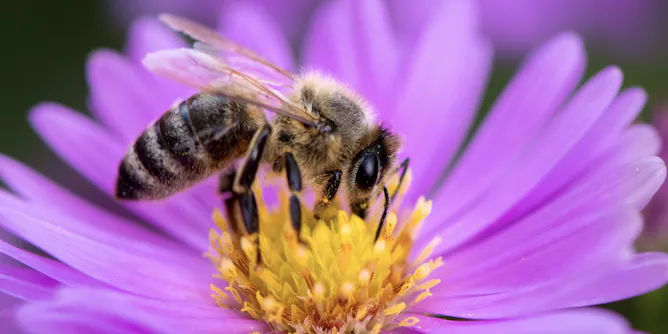
Perhaps 90% of flowering plants require animal pollinators – and most of them are insects. But it’s not just bees doing this important work.
Articles on Plants
Displaying 101 - 120 of 434 articles

At first glance, duckweed may seem innocuous and even a little too common to be of any interest. But it’s an excellent source of protein.

Ferns have evolved a mutually beneficial relationship with ants, but this happened late in their evolution. A recent study shows that old dogs can learn new tricks.
The plant has been propagated worldwide, but every surviving specimen of Encephalartos woodii is a male clone – and without a female, natural reproduction is impossible.

Fashions in architecture are, more or less, generational. So, the reappraisal of brutalism – a once-reviled style of architecture – is now virtually complete
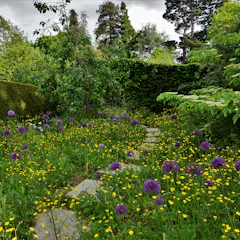
A little corner of the garden set aside for wildlife can make a huge difference, if we all do it.
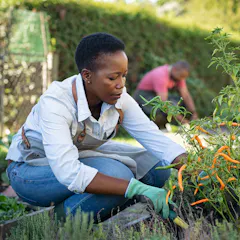
This episode explores how colonial history has affected what we plant and who gets to garden. We also discuss practical gardening tips with an eye to Indigenous knowledge.
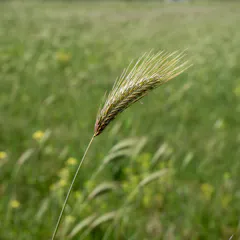
Foxtails can hook onto your pet’s skin and may cause redness, swelling and infection.

There appear to be two possible explanations for circular patterns with central depressions in Pleistocene deposits on the Cape coast.
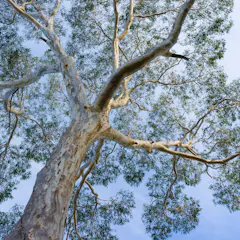
Most of us just take it for granted. But bark is one of the most complex parts of a tree and has many different jobs to do.
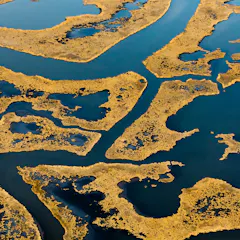
A coastal scientist explains why marshes, mangroves and other wetlands can’t keep up with the effects of climate change, and how human infrastructure is making it harder for them to survive.
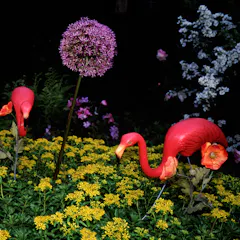
A new study shows how front yards can serve as windows into the inner lives of their residents – and their feelings about their home, neighborhood and city.

Rock dust is only part of the story of soil. Living creatures, many of them too tiny to see, keep that soil healthy for growing everything from food to forests.

The US Department of Agriculture has updated its plant hardiness zone map, which shows where various plants will grow across the country. Gardeners should take note.
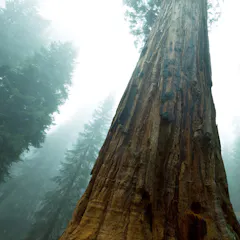
Their incredible resilience means they are becoming part of the UK landscape.

Vegan foods are considered by most consumers to have no ingredients of animal origin, but they may actually contain milk proteins.

Trees – and all plants – harvest sunlight to gain the energy they need to live and grow.

Four types of nematodes occur in soil.
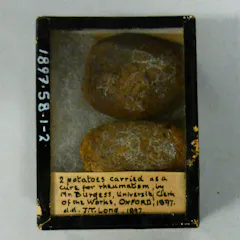
Screaming mandrakes, purloined potatoes and heat-giving sunflower seeds were thought to have healing properties.
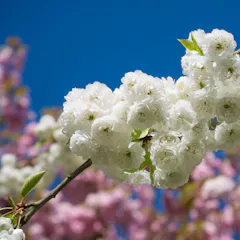
Rising air temperatures mean shorter winters and earlier springs.
Top contributors
-

Senior Research Associate, School of Agriculture, Food and Ecosystem Sciences, The University of Melbourne
-
Emeritus Fellow in Plant Biochemistry, University of Westminster
-
Chief Research Scientist, CSIRO Environment; Executive Director, Global Carbon Project, CSIRO
-
Associate Head of Research and Knowledge Exchange - Reader in Plant Science, Edge Hill University
-
Assistant Professor of Plant Evolutionary Biology, University of Tennessee
-
Glasstone Research Fellow, Plant Science, University of Oxford
-
Research Scientist in Biodiversity and Human Health, Edith Cowan University
-
Associate Professor in Entomology, University of Sydney
-
Lecturer and Researcher in Plant Humanities, UNSW
-
Plant Evolutionary Biologist, University of Edinburgh
-
Lecturer in Evolutionary Biology, University of Reading
-
Vice President of Academic Affairs and Dean of the College, Grinnell College
-
Senior Lecturer in Horticulture, Nottingham Trent University
-
Associate Professor in Biophysics, University of Pretoria
-
PhD, University of Tasmania