
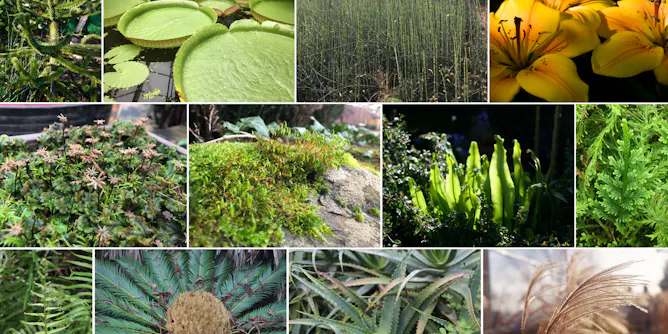
Plants have not lost their capacity for innovation over the years, finds new study.
Articles on Plants
Displaying 141 - 160 of 434 articles
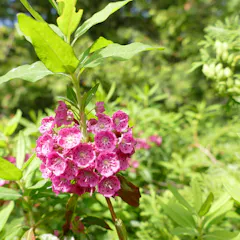
Boreal plants produce molecules that are valued by traditional medicines and inspire the development of medicinal products by contemporary chemists.
With more than one species for every person on the planet, soils are the most diverse habitat on Earth.
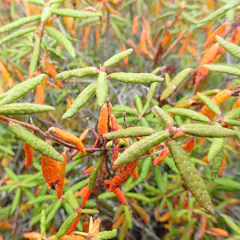
Some boreal plant species are classified — and treated — as weeds, affecting Indigenous communities’ access to important cultural, medicinal and ceremonial resources.
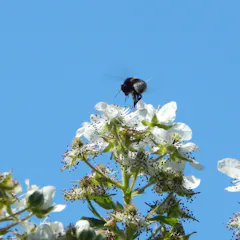
Native common wildflowers provide large amounts of pollen and nectar for insects – but many are undervalued by the public.

The soil was extracted during the Cold War from beneath one of the U.S military’s most unusual bases, then forgotten for decades.

Humans have figured out how to season their food with virtually every part of plants.
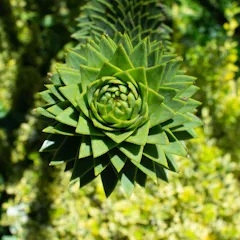
The arrangement of leaves on most plants follows a mathematical pattern – new research sheds light on how it evolved.

Different grasses respond to and cope with winter in different ways.
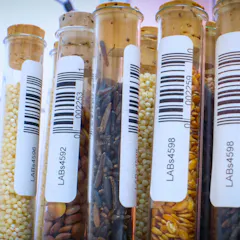
The research conducted through biobanks can help to address challenges like climate change and food security.
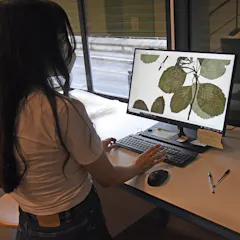
The colonial era profoundly shaped natural history museums and collections. Herbaria, which are scientists’ main source of plant specimens from around the world, are no exception.

Human activities can affect plants and have consequences for the human populations that consume them.

Why plants’ oscillating genes matter for humans.
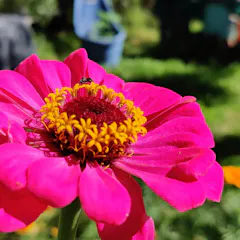
New research suggests insects have pollinated flowers since the pollen-bearing blooms first evolved more than 140 million years ago.
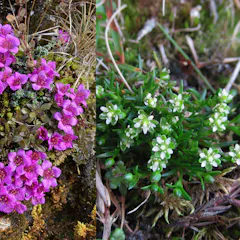
Why we need to pay more attention to these minute flowers and how they survive in some of the harshest places in the world.

As we approach the start of gardening season, it’s a good time to ask some questions about what to plant and who gets to plant.

An expert’s tips on how to keep your indoor plants looking their best.
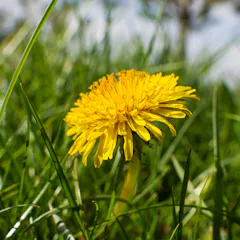
Before you reach for the weed killer, spare a thought for struggling pollinators.
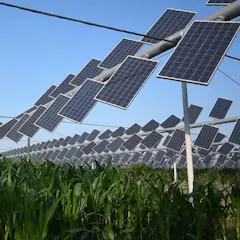
Canada can meet its carbon emission reduction targets, make food cheap again and open up a gigantic trade surplus with the U.S. by shading farm crops with solar panels.
Ants are skilled surgeons, bacteria have their own internet, and scientists think sperm whales have names.
Top contributors
-

Senior Research Associate, School of Agriculture, Food and Ecosystem Sciences, The University of Melbourne
-
Emeritus Fellow in Plant Biochemistry, University of Westminster
-
Chief Research Scientist, CSIRO Environment; Executive Director, Global Carbon Project, CSIRO
-
Associate Head of Research and Knowledge Exchange - Reader in Plant Science, Edge Hill University
-
Assistant Professor of Plant Evolutionary Biology, University of Tennessee
-
Glasstone Research Fellow, Plant Science, University of Oxford
-
Research Scientist in Biodiversity and Human Health, Edith Cowan University
-
Associate Professor in Entomology, University of Sydney
-
Lecturer and Researcher in Plant Humanities, UNSW
-
Plant Evolutionary Biologist, University of Edinburgh
-
Lecturer in Evolutionary Biology, University of Reading
-
Vice President of Academic Affairs and Dean of the College, Grinnell College
-
Senior Lecturer in Horticulture, Nottingham Trent University
-
Associate Professor in Biophysics, University of Pretoria
-
PhD, University of Tasmania