
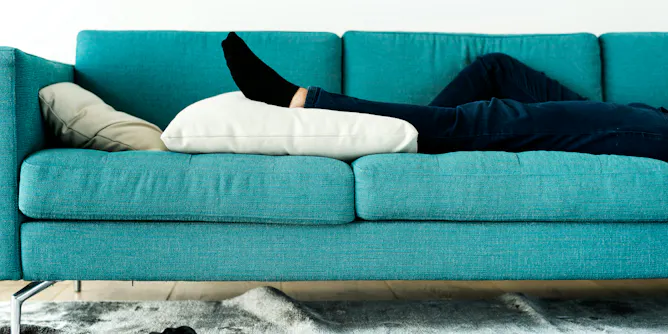
From a biological perspective, being inactive is more than the opposite of being active. Being sedentary results in unique physiological changes that can lead to a variety of health risks.
Articles on Physical activity guidelines
Displaying all articles

For the first time in more than a decade, Australia has new physical activity guidelines. They’re commendable but unlikely to get us more active.

The changing climate is an added barrier to getting children and youth in Canada to meet the minimum guidelines for being physically active.

As enrolments climb and urban spaces become more crowded, some schools have been left with less play space per student than a prison cell.
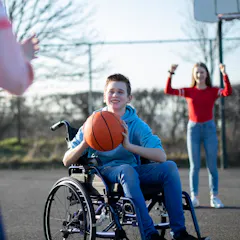
We helped develop the UK’s first physical activity guidelines for disabled children and young people.

To get more workers to be active, public health messaging must recognize the important role employers can play in creating the conditions for workers to focus on exercise.

Studies point to students’ movement skills declining during lockdowns, especially among younger children. Levels of physical activity must be restored to avoid lifelong harm to their health.
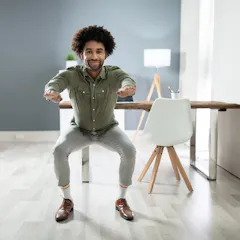
Short, 20-second bursts of activity — known as exercise ‘snacks’ — throughout the day have many benefits, from boosting energy and productivity to improving cardiorespiratory fitness.
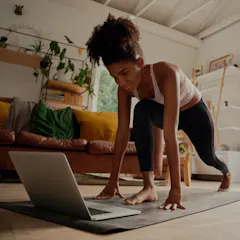
Around 36% of people overestimate how much exercise they get daily.

A new study found a few sessions a week of high-intensity interval training helped students pay attention in class.

All Australians aged 13-17 are encouraged to do 60 minutes of physical activity a day.

The new Physical Activity Guidelines for Americans have just been released, and here is the bottom line: Just move. Bike, walk, run or lift weights. It all counts toward your weekly exercise quota.

Here we review the best science about how to start an exercise habit, and how to keep it going.
The ideal fitness regime is not just a matter of time.

Current guidelines suggest Aussie adults should accrue at least 150 minutes of moderate intensity exercise each week. However, 60% of us fail to meet this recommendation.

Men and women have to exercise different amounts to get the same stroke-preventing benefits.

It’s almost universally recommended that for optimal physical and mental health, children engage in 60 minutes of physical activity each day and limit the time they spend watching TV, playing computer…

Two articles published in today’s issue of The BMJ argue physical activity guidelines should focus on getting inactive people to move a little rather than having the entire population meet the 150 minutes…
Top contributors
-

Senior Lecturer in Health and Physical Education, University of Tasmania
-
Deakin Distinguished Professor, Faculty of Health, Deakin University
-
Professor of Health Sciences, Simon Fraser University
-
Associate Professor, Health Promotion Evaluation Unit, The University of Western Australia
-
Professor of Applied Psychology, Glasgow Caledonian University
-
Lecturer in Physical Education, University of Newcastle
-
Professor, research professor in exercise, nutrition and activity, Adelaide University
-
Professor of Allied Health Sciences, University of Connecticut
-
Professor of Human Physiology, University of Bath
-
Lecturer in Rehabilitation, Adelaide University
-
Research Fellow in Health Policy, Mitchell Institute for Education and Health Policy, Victoria University
-
Professor in Physical Activity & Public Health, Chair of UK CMOs Expert Group for Physical Activity, University of Bristol
-
Postdoctoral Fellow, CHEO Research Institute, L’Université d’Ottawa/University of Ottawa
-
Post-Doctoral Associate, Child Health and Physical Activity Lab, Western University
-
Professor of Health Sciences, Adelaide University