
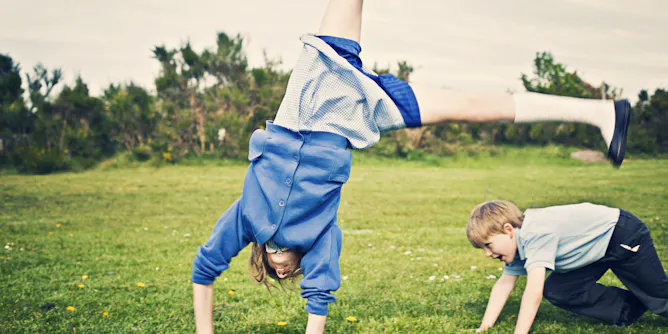
Some schools are reportedly restricting cartwheels and handstands to prevent injuries.
Articles on Physical education
Displaying 1 - 20 of 43 articles
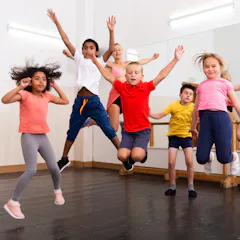
Children could be empowered to choose activities that enable them to learn the knowledge and skills to make healthy life choices.

Physical education has many cognitive benefits for kids – including for their working memory, problem solving and maths performance.
Time to play, move, connect with peers and breathe is a vital part of learning and essential to academic motivation.
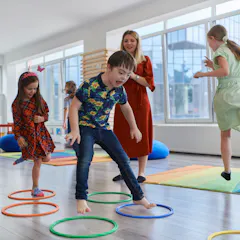
Too often, disabled children are not afforded the same opportunities as their peers
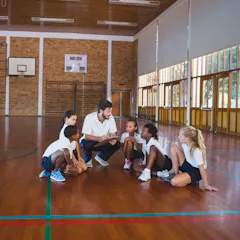
Despite the importance of sport in Australia, physical education at some schools is viewed as less important than other core subjects.
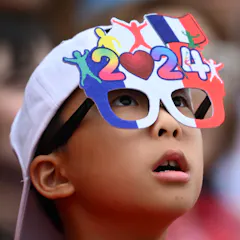
Children have been watching athletes win medals and do victory dances. But sport isn’t just about winning.

Two hours a week is not enough.
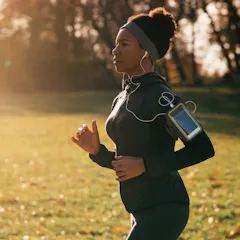
One genetic study of over a quarter million people highlights the cognitive benefits of exercise, while another, based on 30 years of scientific literature, says the opposite. Who’s right and who’s wrong?
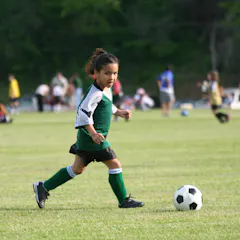
Physical education is too often sexist and old fashioned. Here’s what it could be like instead.

As enrolments climb and urban spaces become more crowded, some schools have been left with less play space per student than a prison cell.
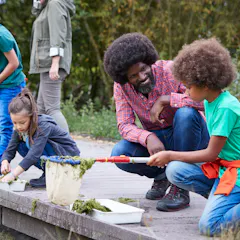
Policymakers can boost outdoor education by integrating it into strategies to enhance both student and teacher well-being and equity.
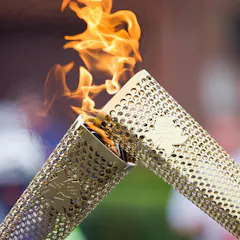
Many primary school PE lessons have been outsourced to private sports contractors, resulting in the ‘deskilling’ of a generation of teachers.

The benefits of sport for young people include not only health and enjoyment, but also an appreciation of many of the civic values and ethics that make our democracy work.
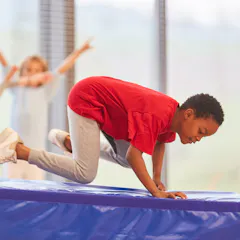
Studies point to students’ movement skills declining during lockdowns, especially among younger children. Levels of physical activity must be restored to avoid lifelong harm to their health.
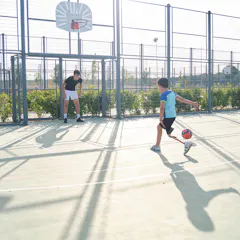
Inclusive education has been promoted since the 1970s. But research shows children with disabilities are still excluded from school activities and sports in particular

Teaching circus arts — from juggling to trapeze — in physical education classes increased children’s physical literacy, resilience and participation, with greater gender equity.
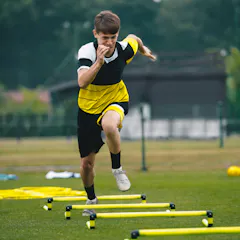
Health and physical education includes subjects such as sport science, health studies, athlete development, food and nutrition, outdoor and environmental studies, and sport and recreation.
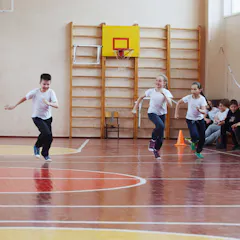
Governments spend millions to try to get kids moving but these interventions may be short-lived, or only benefit a group of kids. Our program is cost-effective and can work long term.

Greek statues, the Napoleonic wars and the advent of photography all played a role.
Top contributors
-

Senior Lecturer in Health and Physical Education, University of Tasmania
-
Lecturer in Physical Education & Sport / Course Leader MA in Physical Education and School Sport, University of Lancashire
-
Associate Professor of Education, Charles Sturt University
-
Professor of Sport and Physical Education, University of Lancashire
-
Reader in Sports Science (Clinical Physiology), University of Essex
-
Professor in Education, Flinders University
-
Senior Lecturer in Personal Devlopment, Health and Physical Education, University of New England
-
Senior Lecturer in Sport and Physical Education, University of Lancashire
-
PhD Candidate in the Centre for Diet and Activity Research, University of Cambridge
-
Senior Lecturer in PE and Sports Studies, University of Lancashire
-
Assistant Professor of Psychological and Behavioural Science, London School of Economics and Political Science
-
Senior Research and Evaluation Officer / Independent Research Consultant / PhD @ Swansea University, Swansea University
-
Lecturer in Sport and Fitness, The Open University
-
Reader in Gender Studies, Liverpool John Moores University
-
Senior Lecturer, Motor Behaviour, University of Tasmania