

Petrochemicals derived from oil and fossil fuels underlie the production of many consumer goods − and many you wouldn’t know from looking at the final product.
Articles on Petrochemicals
Displaying all articles

Oil is a key feedstock for everything from plastics to cosmetics. Over time, we’re likely to see less oil burned for transport – and more used to make products.

Without accounting for land use, Australia’s emissions have only decreased 3% since 2005 – not the 27% cut you might have heard.
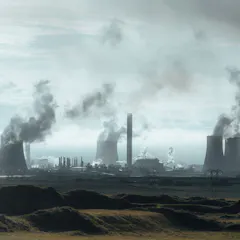
Sasol’s Secunda facility is the largest greenhouse gas emitter in the world. New research looks at what’s needed to move the petrochemical manufacturer away from coal.
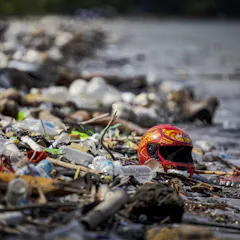
A central question remains unresolved in the draft treaty: Is plastic pollution basically a waste management problem, or can it be solved only with a cap on production?

Oil is used throughout the US economy. It goes into packaging, toys, clothing and especially the food we eat.
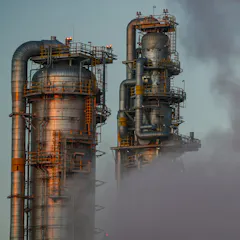
We discovered that the 12 largest petrochemical companies announced 88 new projects between 2012 and 2019: new and expanded facilities that will likely operate for decades, ramping up carbon emissions.
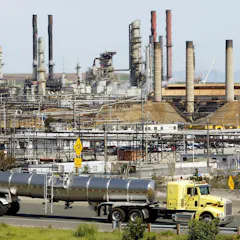
As global oil consumption drops, oil companies are pivoting to petrochemicals, and could crowd out bio-based alternatives.

By combining plastic waste with durian wood sawdust, we may have found a way to slow the rise of plastic pollution in Indonesia.
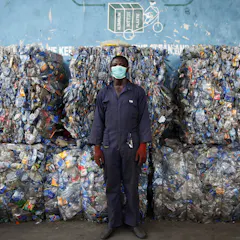
With oil selling at rock bottom prices, a glut of cheap plastic could reverse progress on recycling.

The fossil fuel industry plans to compensate for declining demand for gasoline by flooding the world with more plastic.

Right now, you’re living in a kind of industrial revolution – where biotechnology, information technology, manufacturing and automation all come together to form synthetic biology.

Shifting to plug-in cars wouldn’t be enough to max out global oil consumption by 2040. But it could help make that happen if cities pitch in and ride-sharing doesn’t crowd out public transportation.
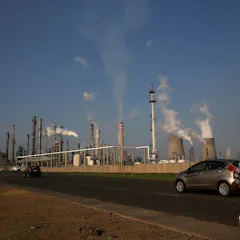
Raging debates about the state of South Africa’s energy industry have missed one critical area, the role of transport fuels and base chemicals.

The orange juice industry throws away a half of the fruit needed to make juice. Could this be used as an alternative to chemicals derived from crude oil?

The World Health Organization estimates that one in every 12 deaths worldwide is due to chemical exposure, sometimes acute but mostly chronic. This eclipses the annual death tolls from malaria, car crashes…

Geologists are using drones to help extract more resources from the North Sea, using the latest visual technologies to identify oil-bearing rocks. Using an eight-rotor, camera-equipped “octocopter” drone…
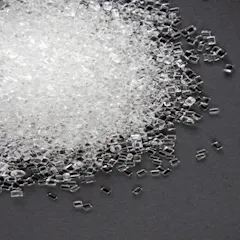
Carbon and carbon dioxide are found all around us. All living things contain carbon - it’s one of the essential building blocks of life and is fundamental to many chemical processes. Carbon dioxide (CO2…
Top contributors
-

Professor of Sustainable Development, Keele University
-
Visiting Adjunct Professor, African Energy Leadership Centre, Wits Business School, University of the Witwatersrand
-
Professor, Chair in Geology & Petroleum Geology, University of Aberdeen
-
Professor of Medieval Archaeology, University of Reading
-
Emeritus Professor, National Centre for Epidemiology & Population Health, Australian National University
-
Director, Synthetic Biology Future Science Platform, CSIRO
-
CO2Chem Network Manager, University of Sheffield
-
Co-director, STEPS (Sustainable Transportation Energy Pathways), University of California, Davis
-
Director, Energy, Climate Justice, and Sustainability Lab, and Research Professor, New York University; Tufts University
-
Senior Lecturer in Technology and Society, Lund University
-
Researcher, IVL Swedish Environmental Research Institute
-
Lecturer in Environmental Management, Brunel University of London
-
Professor of Law and Associate Dean for International Affairs, Wake Forest University
-
Associate Professor of Economics, Pace University
-
Assistant Professor of Chemistry, University of Tennessee