
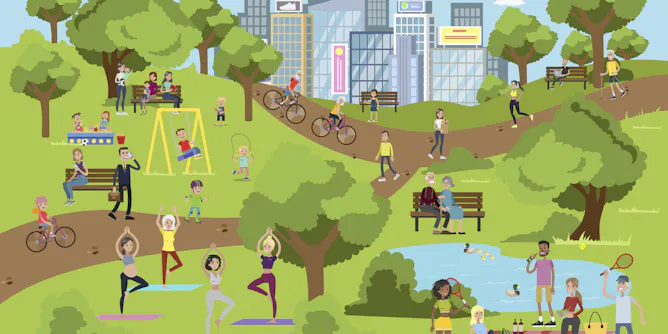
Some parks reduce violence in the local vicinity. Other parks attract crime. The difference has to do with how these urban green spaces are designed, programmed and managed, experts say.
Articles on Parks
Displaying 61 - 80 of 91 articles

Parents are more willing to let children do their own thing in parks. It’s a chance for children to make their own decisions, explore their abilities and imaginations, and weigh up risks.
Approximately 50% of the UK’s poorest people live over 15 miles from a national park and most people require transport to get to them.
Keeping urban habitats such as parks neat and tidy by removing dead wood and leaves is driving the species which live there to extinction.
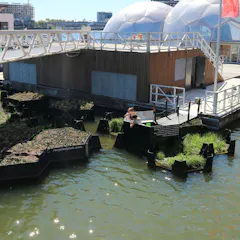
A floating park made from discarded plastic in Rotterdam could spark new thinking on how we manage waste.
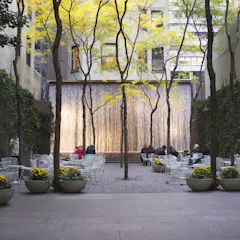
Research shows that access to urban green space makes people and neighborhoods healthier. But parks can’t work their magic if their design ignores the needs of nearby communities.
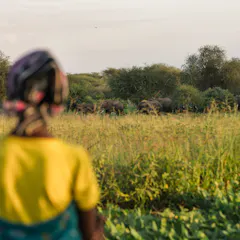
Narratives about successful community-based conservation efforts in Tanzania need to be probed.
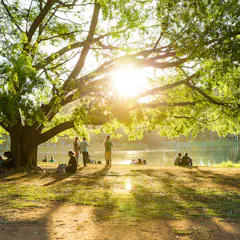
Green spaces can help to address loneliness. But they are highly vulnerable to austerity.
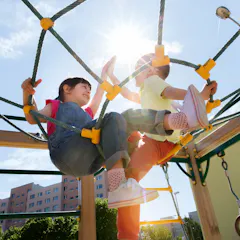
Parks should service a variety of needs, not just cater to one group of people.
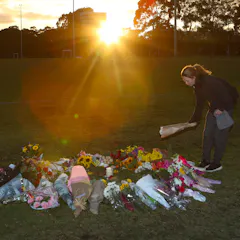
Australia has guidelines for designing safe parks, but the stories of many women show these are not enough. We must involve women in co-designing these shared public spaces.
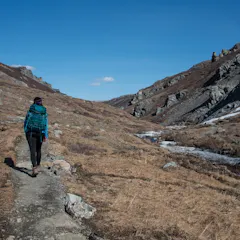
Many studies have shown that time outdoors is good for our physical health. Three wilderness education experts explain why periods alone in nature also provide mental and spiritual benefits.
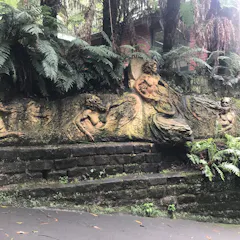
A mossy sanctuary in Victoria’s Dandenong Ranges houses 92 sculptures, mostly of Arrernte and Pitjantjatjara men, women and children. They are steeped in primitivism, yet the park is a popular tourist attraction.

The positive mood of tweets varies with time of day and season, but it’s consistently higher in parks than in built-up areas, where people are more likely to express anger and fears.
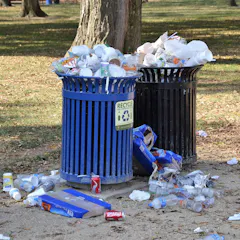
Researchers are installing sensors to collect data about the use of public spaces. This can improve the management and public amenity of these places, but will users see the technology as intrusive?
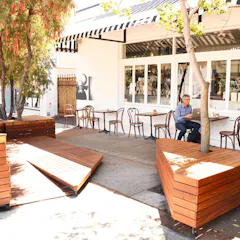
Many parklets are privately funded, but these projects often allow for more public participation than more traditional public spaces.
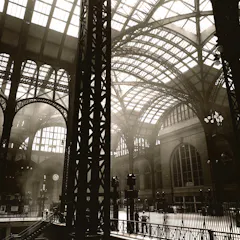
We asked five architecture experts to name one building or structure they wish had been preserved, but couldn’t resist the tides of decay, development and discrimination.
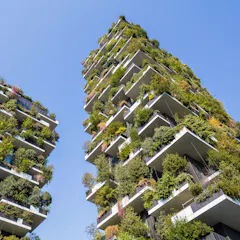
Such projects should be clear from the outset about who owns them, who will build them, and who they are for.
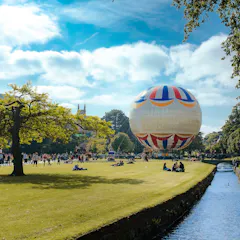
Local authorities have hit tough times, but there’s still hope for the UK’s parks.
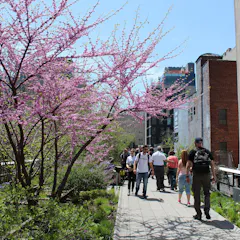
In an urbanizing world, people increasingly are seeking out nature in cities. Research shows that diverse species of animals, plants and insects can thrive in areas that humans have altered.

Urban green spaces are most effective at delivering their full range of health, social and environmental benefits when physical improvement of the space is coupled with social engagement.
Top contributors
-

Professor in Environmental & Landscape Planning, University of Manchester
-
Professor of the Practice of Law, University of Southern California
-
Assistant Researcher, School of Ecosystem and Forest Sciences, The University of Melbourne
-
Senior Lecturer of Urban Studies and Planning, Queensland University of Technology
-
Senior Research Fellow, Sheffield Hallam University
-
Associate Profession in Criminal Justice & Criminology, University of Leeds
-
Professor, School of Life and Environmental Sciences, University of Sydney
-
Professor in Law, UNSW
-
Associate Professor in Landscape Architecture, Queensland University of Technology
-
Professor of Healthy Ageing, Australian Catholic University
-
Professor of Physical Activity and Health, Queensland University of Technology
-
Research Project Officer, School of Design, Queensland University of Technology
-
Program Coordinator, Arthur Rylah Institute for Environmental Research
-
Research Fellow, School of Medicine, The University of Queensland
-
Senior lecturer in human geography, University of Fribourg