
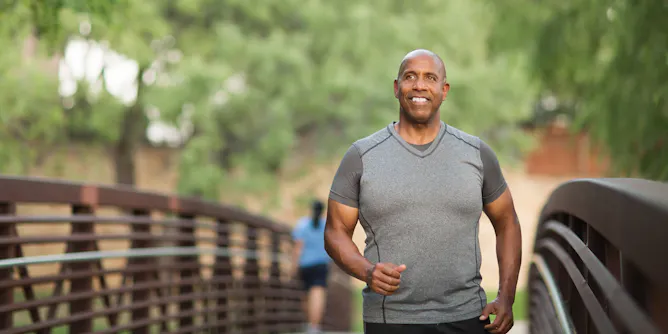
Numerous studies indicate exercise as an effective treatment for people with existing depression and other mental illnesses, and exercising in nature can further improve mental well-being.
Articles on Parks
Displaying 21 - 40 of 91 articles

Food forests are urban oases that pack a lot into small spaces, including food production, local cooling and social connections.
South Africa needs to integrate urban green spaces as part of valuable infrastructure and provide framework for their sustainability.
The UK government wants every household in England to be within 15 minutes walk of a park, woodland or water.
A longtime critic of Atlanta’s BeltLine explains how the popular network of parks has increased inequality in the city and driven out lower-income residents.
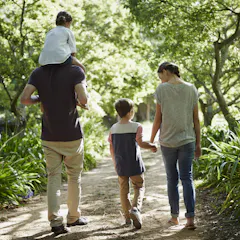
Urban green spaces are threatened by growing cities. But research shows the importance of protecting access to nature as housing densification increases.
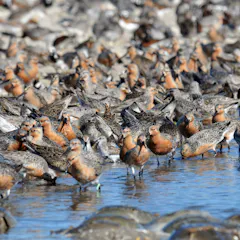
Governments, scientists and conservation groups are working to protect 30% of Earth’s land and water for nature by 2030. Two scientists explain why scale matters for reaching that goal.

During spring and summer, as more people consider exercising outdoors, a trauma- and violence-informed approach to physical activity can help ensure equity, inclusion, safety and access.
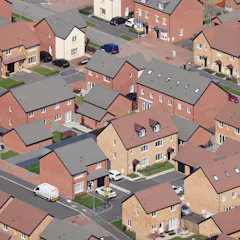
The more new housing a neighbourhood has, the less of the local area is dedicated to green space, which has knock-on effects for wellbeing and the climate crisis.
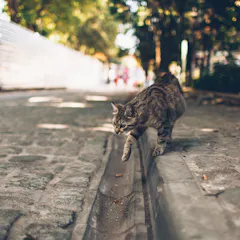
A new study shows that when free-ranging cats are more than a few blocks from forested areas in cities, such as parks, they’re more likely to prey on rats than on native wildlife.
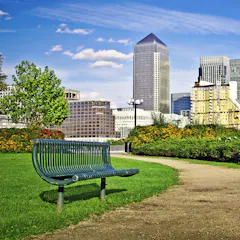
The promised £39 million is not enough to ‘level up’ park provision in the UK.
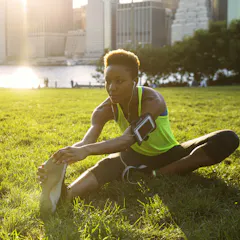
An environmental health scholar shares four resolutions to improve your relationship with the environment – and its prospects for the future.
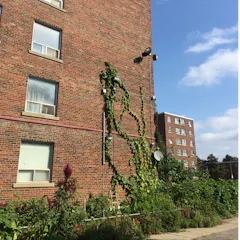
Plants support human health not only in terms of providing food, oxygen and shade. Our relationships with plants facilitate political decisions and actions that support health in the city.

Two urban policy experts explain why taking down highways that have isolated low-income and minority neighborhoods for decades is an important part of the pending infrastructure bill.

Park policy must reimagine parks as more than a contributor to property value and consider how they can be used as community resources.
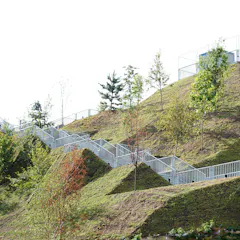
Pop-up spaces can be successful, they just need to be better thought through and created with urban ecology in mind rather than economics.
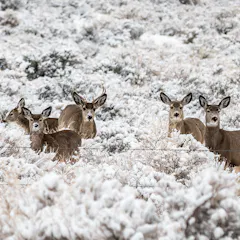
Outdoor recreation is booming across the US, but research shows that the presence of humans – or the trails they hike and ski on – can have harmful effects on wildlife at less-than-close range.
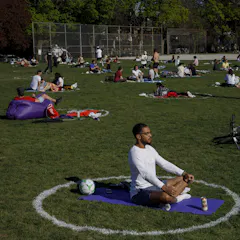
Green spaces can be part of the plan to ‘build back better’ after COVID-19. But city officials and policy-makers must address systemic racism for urban green spaces to benefit public health.

The more our cities grow, the more we need access to enjoy — and be in relationship with — urban forests to maintain our well-being.
Invisible to the eye, the microbial life in the air around us can vary depending on our environment.
Top contributors
-

Professor in Environmental & Landscape Planning, University of Manchester
-
Professor of the Practice of Law, University of Southern California
-
Assistant Researcher, School of Ecosystem and Forest Sciences, The University of Melbourne
-
Senior Lecturer of Urban Studies and Planning, Queensland University of Technology
-
Senior Research Fellow, Sheffield Hallam University
-
Associate Profession in Criminal Justice & Criminology, University of Leeds
-
Professor, School of Life and Environmental Sciences, University of Sydney
-
Professor in Law, UNSW
-
Associate Professor in Landscape Architecture, Queensland University of Technology
-
Professor of Healthy Ageing, Australian Catholic University
-
Professor of Physical Activity and Health, Queensland University of Technology
-
Research Project Officer, School of Design, Queensland University of Technology
-
Program Coordinator, Arthur Rylah Institute for Environmental Research
-
Research Fellow, School of Medicine, The University of Queensland
-
Senior lecturer in human geography, University of Fribourg