
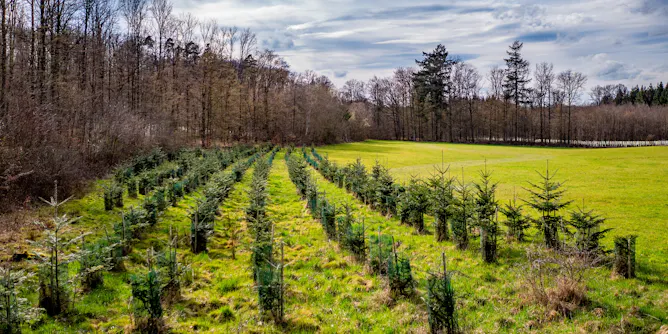
Offsetting greenhouse gas emissions can be an effective tool for limiting global warming. But many offset projects fail to meet their GHG reduction targets.
Articles on Paris Agreement
Displaying 81 - 100 of 416 articles
Climate change poses clear risks to human rights around the world. It is essential that people hold governments and decision-makers to account.
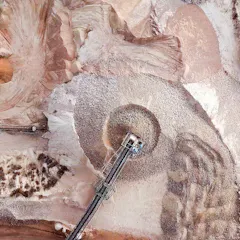
Cement and fossil fuel production has reached unprecedented levels, with most of the emission growth traceable to a relatively small number of companies.
A new way of measuring emissions may let the biggest polluters evade their responsibility to tackle climate change.
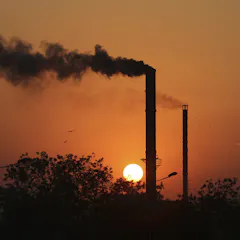
Carbon pricing can be a powerful tool to combat climate change and reduce emissions, but it needs to be accompanied by improved regulations, clean technology subsidies and financing mechanisms.
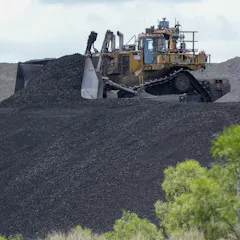
Australia supported a phase-out of fossil fuels at the recent UN climate summit but is still expanding coal and gas production. It’s a contradiction that threatens the planet. There is a better way.
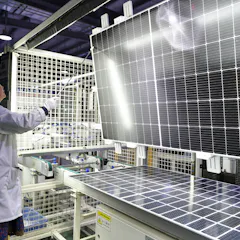
Africa must guard against new environment friendly trade rules that leave the continent in the poor position of exporting raw materials that developed nations use to manufacture green energy systems.
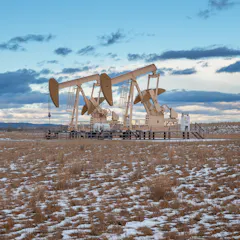
The distinction between ‘abated’ and ‘unabated’ fossil fuels is crucial, yet remains ambiguous.
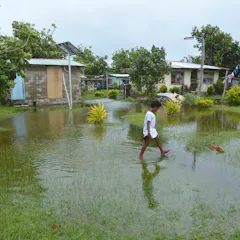
As Climate Change and Energy Minister Chris Bowen lands in Dubai for COP28, Australia has announced an extra A$150 in climate finance with a focus on the Pacific region.
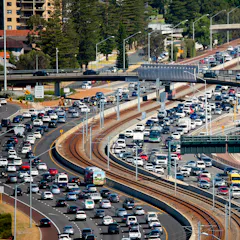
Australia’s latest climate change statement shows we have little hope of reaching net zero emissions by 2050. There’s good news on the 2030 target, but then what?
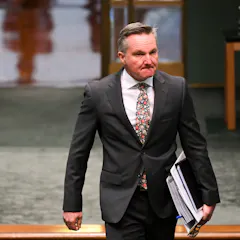
New emissions projections bode well for Australia’s climate efforts – but our fossil fuel exports continue apace.
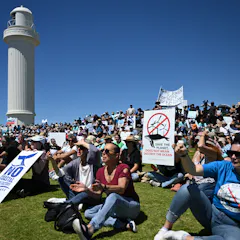
Australia’s clean energy transition cannot succeed unless the government opens debate and decision-making to many more voices.
COP28 gives Nigeria another chance to fight for financing it needs to adapt to climate change.
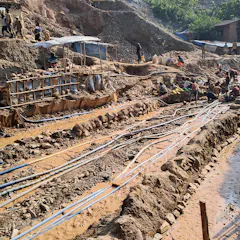
Climate and investment laws must align for the global south to get climate justice and achieve net-zero emissions.

In what’s likely to be the hottest year on record, nations are gathering to try and hash out faster action on climate change. Here are the three main issues facing negotiators.

Getting climate funds to frontline communities may require rich countries and the UN easing control over how the money is spent.
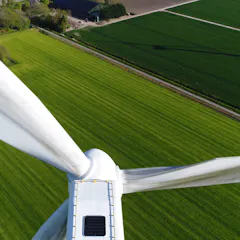
It’s still possible for Australia to cut emissions in line with holding climate change to 1.5°C. Here’s how.

Holding climate change to 1.5 might be possible – but in the best case, we’ll blow past the limit first and then backpedal.
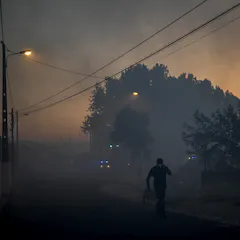
In a momentous case, young EU citizens will seek to draw among a range of principles from human rights, such as that of effectiveness, to arm-twist governments into impactful climate action.

Global efforts to cut emissions fall well short of what’s needed to avoid dangerous warming. It’s becoming essential to develop carbon-removal strategies to get to net zero.
Top contributors
-

Adjunct Professor of Energy, Murdoch University
-
Former Visiting Fellow, SPRU, University of Sussex Business School, University of Sussex, University of Staffordshire
-
Research Associate, Institute for Climate Risk and Response, UNSW
-
Professorial Fellow, University of Canberra
-
Chief Research Scientist, CSIRO Environment; Executive Director, Global Carbon Project, CSIRO
-
ARC Future Fellow and Associate Professor in Climate Science, ARC Centre of Excellence for 21st Century Weather, The University of Melbourne
-
Associate Professor in the Frederick S Pardee School of Global Studies, Boston University
-
Professor, Crawford School of Public Policy and Director, Centre for Climate and Energy Policy, Australian National University
-
Senior Researcher, Center for International Climate and Environment Research - Oslo
-
climate campaigner
-
Royal Society Research Professor of Climate Change Science, University of East Anglia
-
Professor in Applied Mathematics, Te Kunenga ki Pūrehuroa – Massey University
-
Professor, Department of Earth System Science, and Chair of the Global Carbon Project, Stanford University
-
Professor of Political Science, School of Regulation and Global Governance, Australian National University
-
Postdoctoral Research Associate in Existential Risk, University of Cambridge