
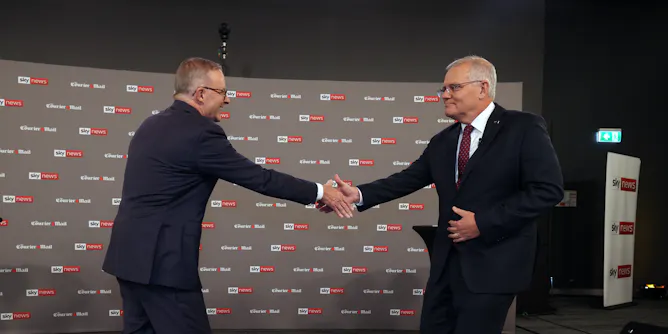
Managing the transition to a net-zero emissions economy must be a priority task for the next government. Our strategic and economic success depends on it.
Articles on Paris Agreement
Displaying 141 - 160 of 416 articles
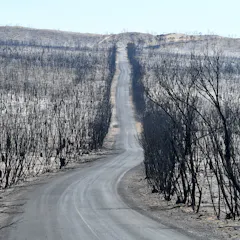
The Coalition’s climate policy is consistent with a very dangerous 3°C of global warming. But one party is comfortably consistent with keeping warming at safe levels.

Emission of greenhouse gases is on the rise, an indication that the worst lies ahead.
With the world on track to blow the carbon budget for 1.5°C before the end of this decade, we must use offsetting carefully. It can no longer be a substitute for deep emissions cuts.
The current estimate is that Earth would warm by 1.5°C to 4.5°C if emissions were to double on pre-industrial levels. The range has remained stubbornly wide, despite improved climate modelling.
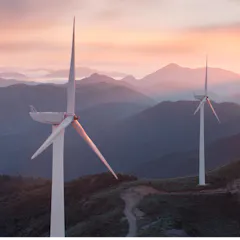
Humanity is off track to keeping global warming to 1.5°C. But if we pull out all stops, we’ve still got a chance.
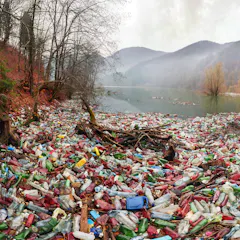
A global treaty on plastic pollution must incentivize a take-make-reuse waste management system and include quantitative targets based on geography-specific emissions.
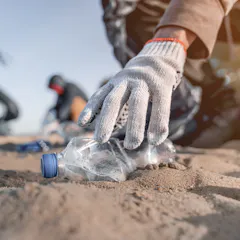
Over 170 countries have endorsed a resolution to negotiate a plastics treaty that’s much more precise than the Paris climate change agreement.

Many see carbon markets as key to channelling billions of dollars into reducing carbon emissions and protecting forests, but they also put the well-being of communities at risk.
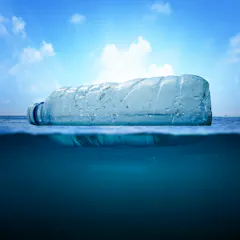
Without action in the next five years, an extra 80 million tonnes of plastic may end up in the ocean by 2040.
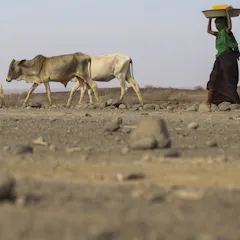
The IPCC is the global authority on climate change. Their new report paints a worrying picture of climate impacts already affecting billions of people, economies and the environment.
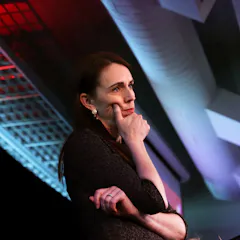
Despite the ongoing pandemic, the agenda for 2022 includes key developments to tackle the connected crises of climate change, biodiversity loss and pollution.
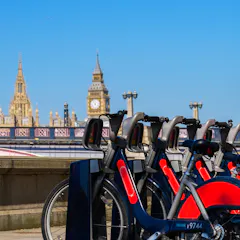
Plan to cut emissions quickly, use offsets sparingly and set broader goals for improving society.
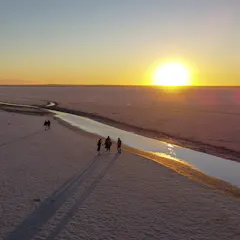
On the tail of yet another year of climate disasters, 2022 ushers in the final version of the Paris Agreement, making it a functioning global climate treaty. But it alone can’t save us.
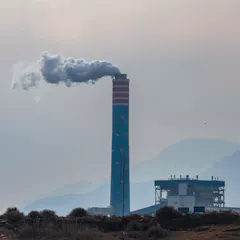
The dust has settled on COP26 and one of the summit’s few achievements looks decidedly less impressive.
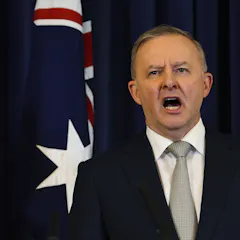
Labor’s 2030 emission reduction target of 43% is more ambitious than the Coalition, but still falls well below what the science says is needed.
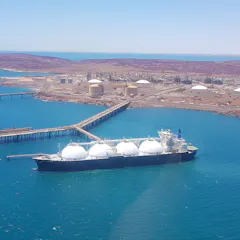
The sheer scale of emissions from the expansion, and projects linked, to it will make achieving 2030 emission targets much harder for Western Australia and by extension, Australia and the world.
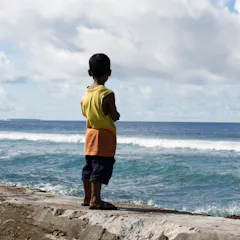
Loss and damage – the three words which define the Glasgow summit’s disappointing outcome.
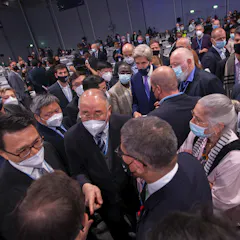
COP26 saw incremental progress but not the breakthrough moment needed.
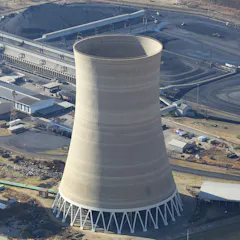
Pitched at an initial US$8.5 billion, the partnership has the potential to be one of the largest individual climate finance transactions to date. But can a just transition be achieved?
Top contributors
-

Adjunct Professor of Energy, Murdoch University
-
Former Visiting Fellow, SPRU, University of Sussex Business School, University of Sussex, University of Staffordshire
-
Research Associate, Institute for Climate Risk and Response, UNSW
-
Professorial Fellow, University of Canberra
-
Chief Research Scientist, CSIRO Environment; Executive Director, Global Carbon Project, CSIRO
-
ARC Future Fellow and Associate Professor in Climate Science, ARC Centre of Excellence for 21st Century Weather, The University of Melbourne
-
Associate Professor in the Frederick S Pardee School of Global Studies, Boston University
-
Professor, Crawford School of Public Policy and Director, Centre for Climate and Energy Policy, Australian National University
-
Senior Researcher, Center for International Climate and Environment Research - Oslo
-
climate campaigner
-
Royal Society Research Professor of Climate Change Science, University of East Anglia
-
Professor in Applied Mathematics, Te Kunenga ki Pūrehuroa – Massey University
-
Professor, Department of Earth System Science, and Chair of the Global Carbon Project, Stanford University
-
Professor of Political Science, School of Regulation and Global Governance, Australian National University
-
Postdoctoral Research Associate in Existential Risk, University of Cambridge