
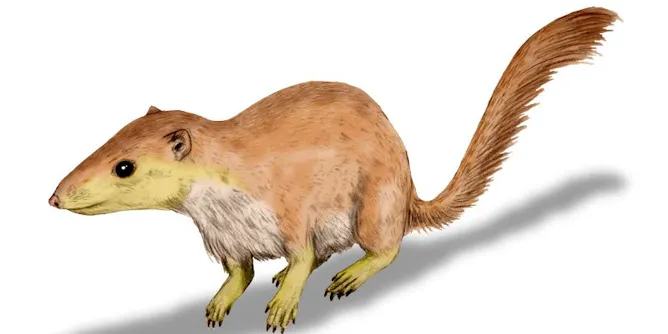
New research reveals that mammals didn’t wait for the dinosaurs to die out before starting their rapid spread.
Articles on Palaeontology
Displaying 201 - 220 of 235 articles
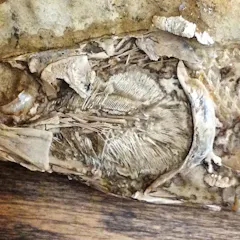
For centuries, the fossil remains of back-boned animals were studied primarily from their hardened bones. Now palaeontologists can study the softer side of these ancient creatures.
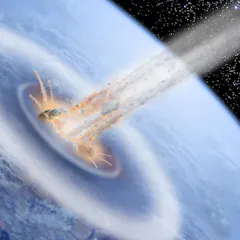
The idea that the dinosaurs were wiped out by a giant asteroid was ridiculed – until the remains of a giant crater were found deep underground.
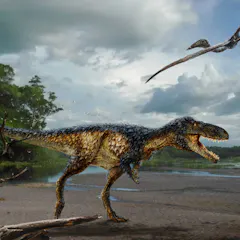
Fossils discovered in Uzbekistan help tell the story of how T. Rex evolved to become the biggest predator ever to live on land.
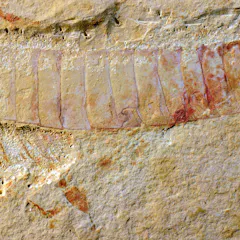
Scientists have uncovered one of the most detailed and well-preserved nervous system fossils ever found.
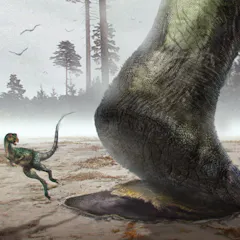
New research reveals the case for swimming dinosaurs isn’t as clear cut as once thought.
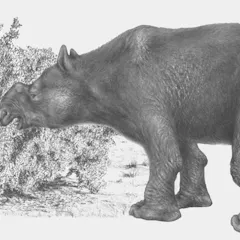
What killed off Australia’s giant wombats and other megafauna? New dating once again points the finger at human hunters, rather than abrupt changes to the climate.
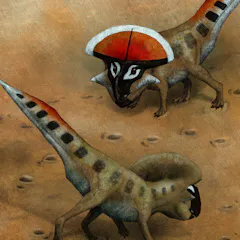
Researchers have found the first evidence that dinosaurs grew unusual features like crests and horns as a way of attracting a mate.
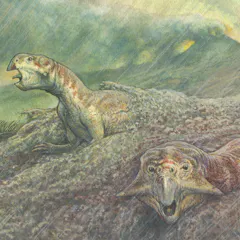
Was there a ‘dinosaur Pompeii’ in China? New research questions the claim.
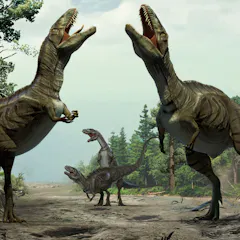
Researchers believe newly uncovered fossils suggest some dinosaurs had similar courtship practices to modern birds. But can ancient footprints really reveal so much?
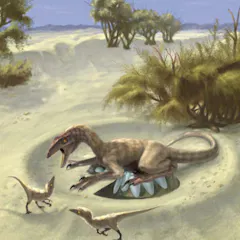
Scientists have come up with a way to tell how hot dinosaurs were by studying the remains of their eggs.
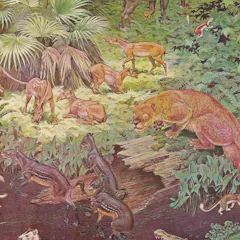
Scientists have shown how tiny organic tissue remnants in fossils correspond to the pigments in the animals’ original skin and hair.
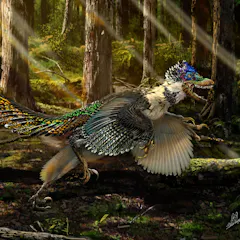
A new fossil has reminded us that the real velociraptors were a world away from the huge scaly lizards seen in Juarssic World.
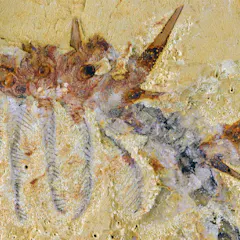
Ancient creepy-crawly “monster” had claws but no teeth.
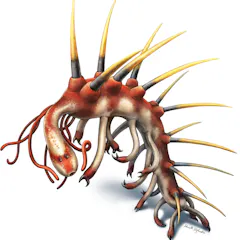
A microscopic set of teeth helped scientists realise they had been looking at fossils of Hallucigenia back to front.
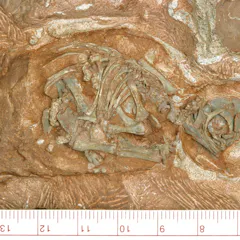
The secrets of the embryonic dinosaurs whose parents roamed South Africa 200 million years ago are finally in the process of being hatched.
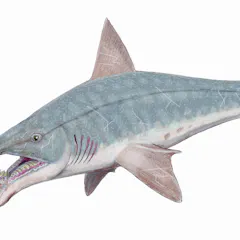
There’s a lot more to palaeontology than just dinosaurs, as these incredible lifeforms demonstrate.
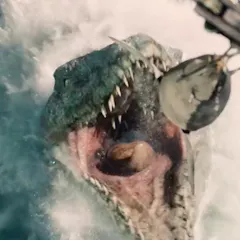
Palaeontologists have been lining up to complain about the inaccuracies in the new blockbuster. They need to focus on the positives.

The Karoo provides not only a historical record of biological change over a period of Earth’s history but also a means to test theories of evolutionary processes over long periods of time.

Science-fiction, to some extent, can indeed create science.
Top contributors
-

Professor of Vertebrate Palaeontology, University of Bristol
-
Associate professor in Vertebrate Palaeontology, University of the Witwatersrand
-
Senior Lecturer in Paleontology and Evolutionary Biology, Life Sciences at the University of Bath, University of Bath
-
Professor in Geochronology and Geochemistry, Southern Cross University
-
Technical Specialist in Earth Sciences, University of Bristol
-
Emeritus Strategic Professor in Palaeontology, Flinders University
-
Senior Research Scientist, South Australian Museum; Flinders University
-
Professor, School of Natural Sciences, Macquarie University
-
Professor, Palaeobiology, University College Cork
-
Chancellor's Fellow in Vertebrate Palaeontology, University of Edinburgh
-
Research Associate in the College of Science and Engineering, Flinders University
-
Research Associate, African Centre for Coastal Palaeoscience, Nelson Mandela University
-
Professor of Palaeobiology, University of Portsmouth
-
Lecturer in the School of Applied Sciences, Edinburgh Napier University
-
Associate Professor and Director, Flinders Microarchaeology Laboratory, Flinders University